


Top-rated drywall pros.

Get matched with top drywall pros in Burgess, VA

Enter your zip and get matched with up to 5 pros

Need a pro for your drywall service project in Burgess, VA?

Select your specific project to find the pro for you.

Find Drywall pros in Burgess

Avatar for Hugo Carpet Service LLC
Hugo Carpet Service LLC
4.9(
18
)
Drywall - InstallDrywall - Install - For BusinessDrywall - Repair+1 more

Serving Burgess, VA and surrounding areas

In business since 2007

Free estimates

Emergency services offered

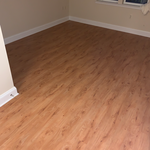
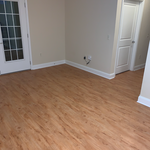
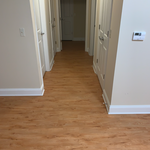
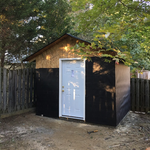
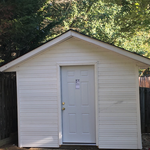
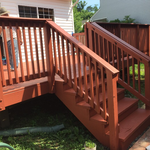
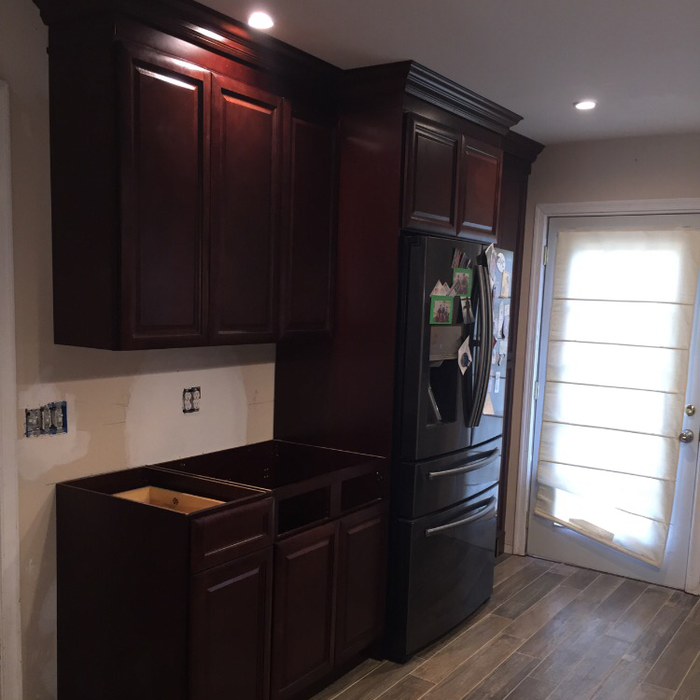
"These guys were great. Very responsive and work was beautiful. I had new carpet installed, ceiling repair and painted, walls painted, exterior power washed, deck repaired and painted plus a few other odds and ends. I was very happy and will be keeping them on my phone for any further projects."
Additional Photos
Additional Photos
Additional Photos
Additional Photos
Additional Photos

+29

Recommended by100%of homeowners
Avatar for D & C CONTRACTING LLC
D & C CONTRACTING LLC
5.0(
2
)
Drywall - InstallDrywall - Install - For BusinessDrywall - Repair+1 more

Serving Burgess, VA and surrounding areas

In business since 2014

Free estimates

Emergency services offered

"Very Professional Job, crew is prep all the areas for clean and encapsulate mold at my basement, repair drywall and paint using very good products, I recommended, the owners is  certified for work  hazmat materials.
Very thrust people, family company.
"
Additional Photos
Additional Photos
Additional Photos
Additional Photos
Additional Photos

+8

Recommended by100%of homeowners
Avatar for Walls Construction and Handyman Services, Inc.
Walls Construction and Handyman Services, Inc.
4.4(
16
)
Drywall - InstallDrywall - Install - For BusinessDrywall - Repair+1 more

Serving Burgess, VA and surrounding areas

Emergency services offered

Credit card accepted

"We hired Walls to come out and move our hot water heater that was located in our laundry area to another location in preparation of an addition to my laundry room.  In order to move the water heater an old water softener system would need to be removed and disposed of.  The work was completed in one day and everything was cleaned up very nicely when they were done.  Mark and Brian were extremely professional and friendly to work with."
Additional Photos
Recommended by86%of homeowners
...
Showing 1-10 of 51
Drywall questions, answered by experts

Although they have similar applications, spackle and joint compound are not the same. Their primary differences lie in their composition, consistency, and ideal use cases.

Spackle is composed of gypsum and binding agents, making it thicker than joint compound. It dries quickly and is easy to sand, which makes it ideal for small wall repair projects like filling nail holes or patching minor damage.

Joint compound, also known as drywall mud, consists of limestone and gypsum. It is primarily used for large-scale projects, such as taping and finishing the seams on newly installed drywall. It tends to shrink more than spackle and can be more difficult to spread.

While both products can be used to fill small depressions and cracks, spackle cannot replace joint compound for taping and mudding new drywall. Conversely, you can often use joint compound for small patching jobs typically done with spackle.

Yes, if there is mold in your drywall mud and you then use it to build walls in your house—or if mold develops in your set drywall, like it can in hot and humid areas—it can lead to illness. Mold in your drywall (or other parts of your home) can make existing respiratory conditions or allergies worse, and the effect can be more intense for those who have existing health issues or compromised immune systems.

How you hang the drywall can affect the finishing process. It's often easier to finish horizontal drywall panels, as the seams run across the wall rather than up and down. Standard drywall panels are 48 inches wide, so the seam is easy to reach without bending down or stretching your arms.

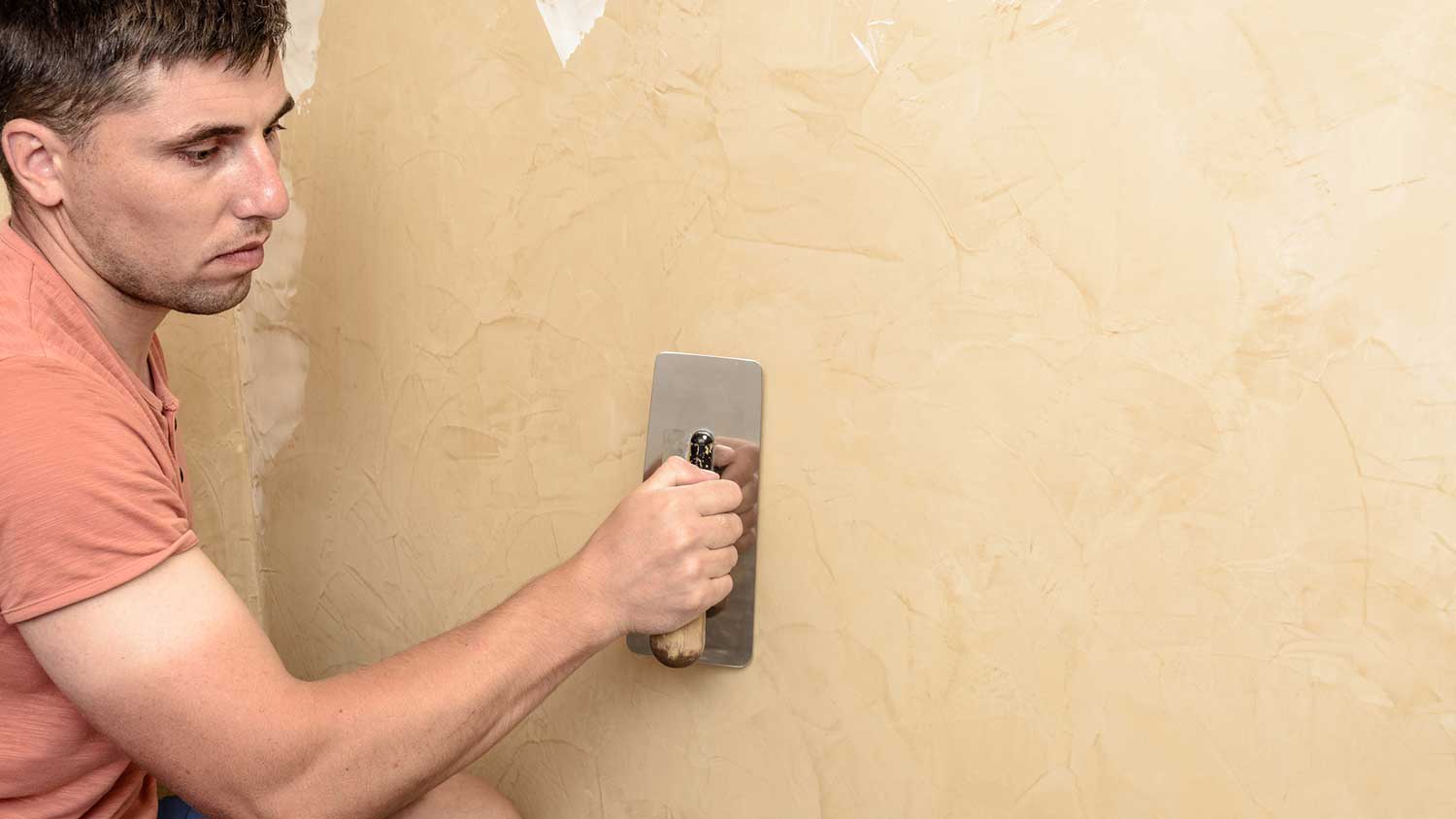
Plastering and skimming are two different techniques for finishing walls. Plastering involves applying a thick layer of a plaster mixture—typically containing gypsum, lime, cement, sand, and water—to create a new surface. This process often requires multiple coats and is used for repairing significant damage or creating decorative textures. Skimming, on the other hand, is a technique that involves applying a thin layer of drywall compound or joint compound over an existing surface to smooth it out, covering minor imperfections, small cracks, or uneven textures for a polished look. Plastering is generally more costly and labor-intensive than skimming. Although some people use the terms interchangeably, they refer to different processes and materials.

It’s not a good idea to plaster over broken plaster (unless by broken you’re referring to cracked, in which case that’s perfectly fine). However, broken plaster can be a sign of a larger underlying issue like foundation damage or severe damage to the lath holding up the plaster, so it’s worth investigating before you simply plaster on top of the damage.

The Burgess, VA homeowners’ guide to drywall services

From average costs to expert advice, get all the answers you need to get your job done.