"WB Lightning is focused on customer service. The company provided good communication and responded very quickly to my inquiry for a quote. WB Lightning is a respected company, I had another electrical service provider tell me I made a good choice when I hired WB Lightning Rods."
"They did a very perfessional job and their price for the work was reasonably. I was very happy with their work also. I would highly recommend Roger's Electrical."
Welcome to Omega Appliance Repair and Home Services, LLC! We take pride in the quality of work and customer satisfaction that we give each and every customer! We are known to pay exquisite attention to detail while making customer satisfaction our top priority. As a veteran-owned and operated company, our mission is to serve our customers with the same fervent dedication as we once served our nation. When the machines that you depend on break down, call Omega to get your life back on track.
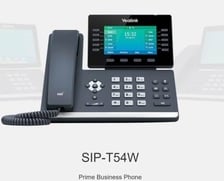
Our Company provides a one-stop solution for all of your voice, internet, and telecom needs. Leveraging the Cloud we provide your Office state-of-the-art telephones for little or no upfront cost striving to keep your monthly costs the same. Sound too good to be true? Give us a call and we will show you how.
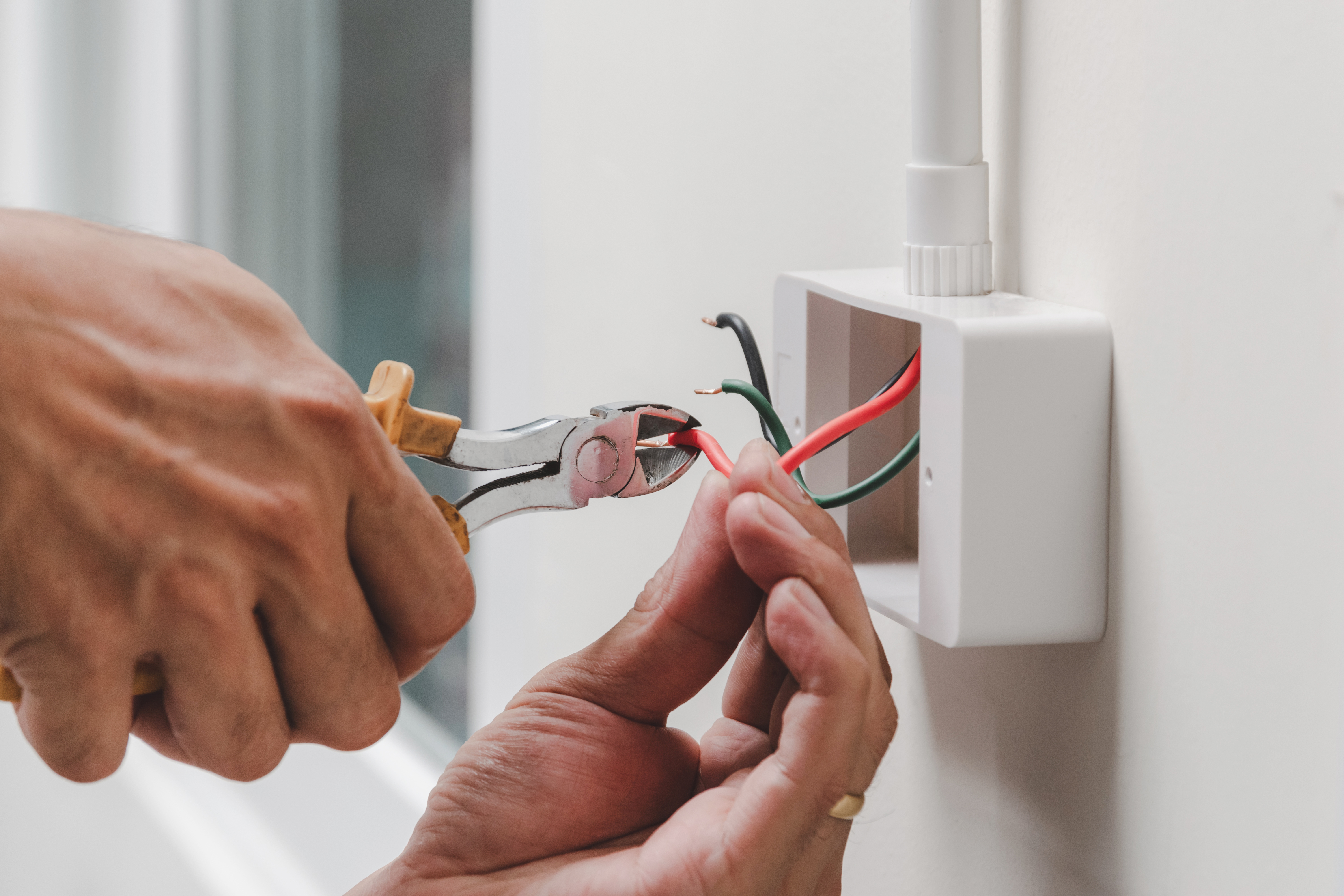
40 years experience. Licensed and Insured. Licensed since 1992 and have ran an electrical business full time and/ or part time during those years.I have completed whole house wiring, additions,panel upgrades,trouble shooting faulty circuits residential and commercial experience. Lighting additions and change outs. Add dedicated receptacle circuits. Breaker change outs.installed ev chargers, Generator panels. Wiring of hvac equipment, water heaters installation of communication and data cabling.\n\nCurrently work in the areas of Creedmoor, Butner, Timberlake, Rougemont,Raleigh, Wake Forest, Henderson and Durham NC\n\nAttentiveness to a quality and neat installation. Take pride in all my work and give a quality customer service by paying attention to the customer and giving different options for their choosing and being polite and willingness to answer questions during installation. Since I am licensed I am required to take 8 hours a year continuing education and try to stay current on code
With over 20 years of experience, Outdoor Lighting Expressions, is your go to team of professionals for your architectural and landscape lighting needs. Give us a call anytime and let us be your go to team for all of your exterior needs!
Primarily we only take commercial work, however in this economy we feel diversity is key to success. We are experienced in Electrical Plumbing and general Handyman services. From drain cleaning to High-end Electronics installations. We hang TV's, install appliances, design and implement smarthome controls. Patching drywall and painting. Water heater replacement. Have a faucet that takes forever to get hot water, talk to us about solving that issue. We have 30 years experience in just about every small and odd job you can think of. We are not affraid to get dirty while keeping your property clean and clear of debris.
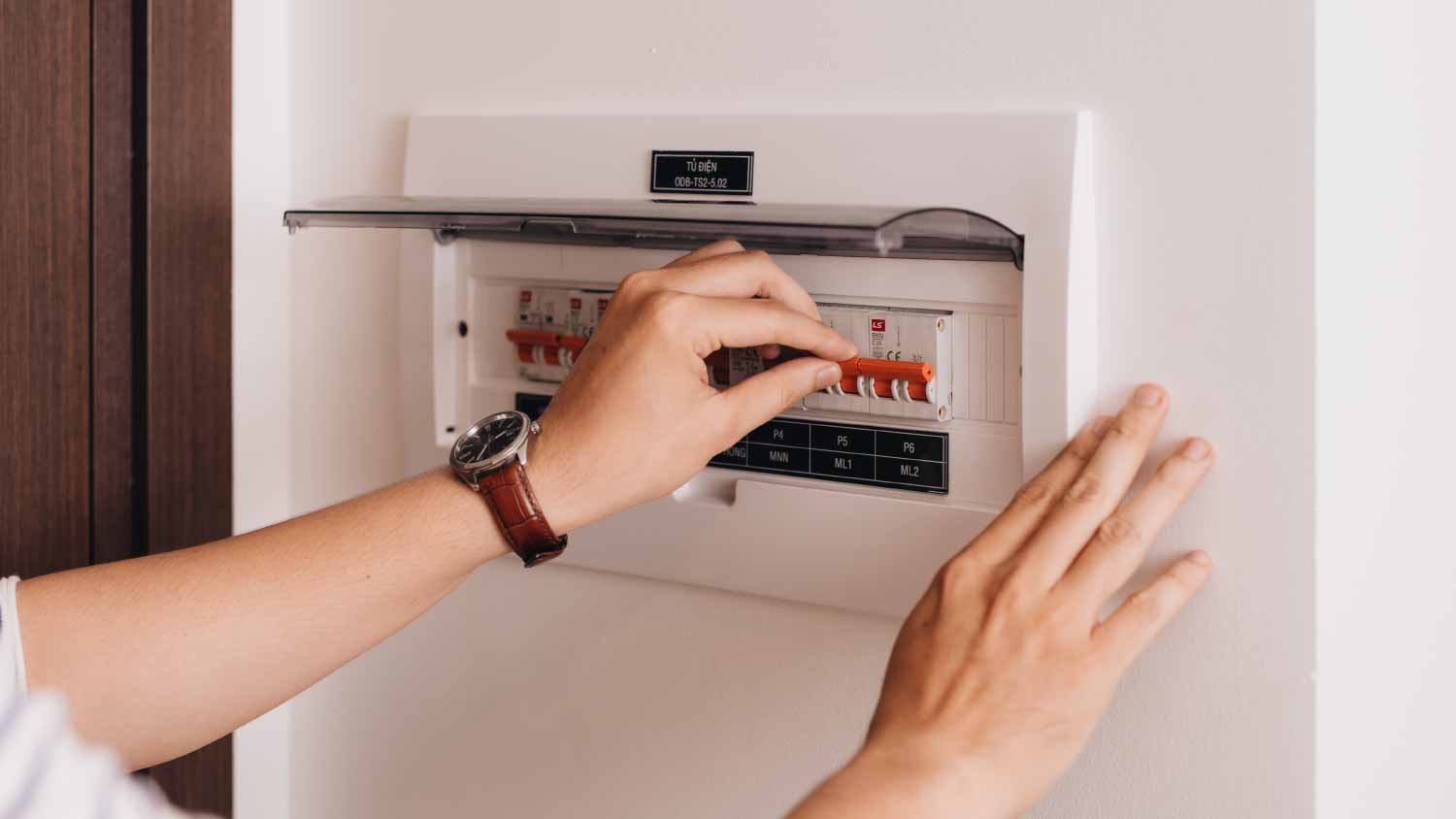
Knowing if and when your circuit breaker is failing or faulty can prevent costly damage. If you notice any of the following signs, call a local electrician to help.
The breaker frequently trips
The breaker doesn't stay in the 'on' position or reset properly
You hear buzzing or humming noises coming from the breaker
There's discoloration around the breaker switch
There's a burning smell or visible signs of damage on the breaker
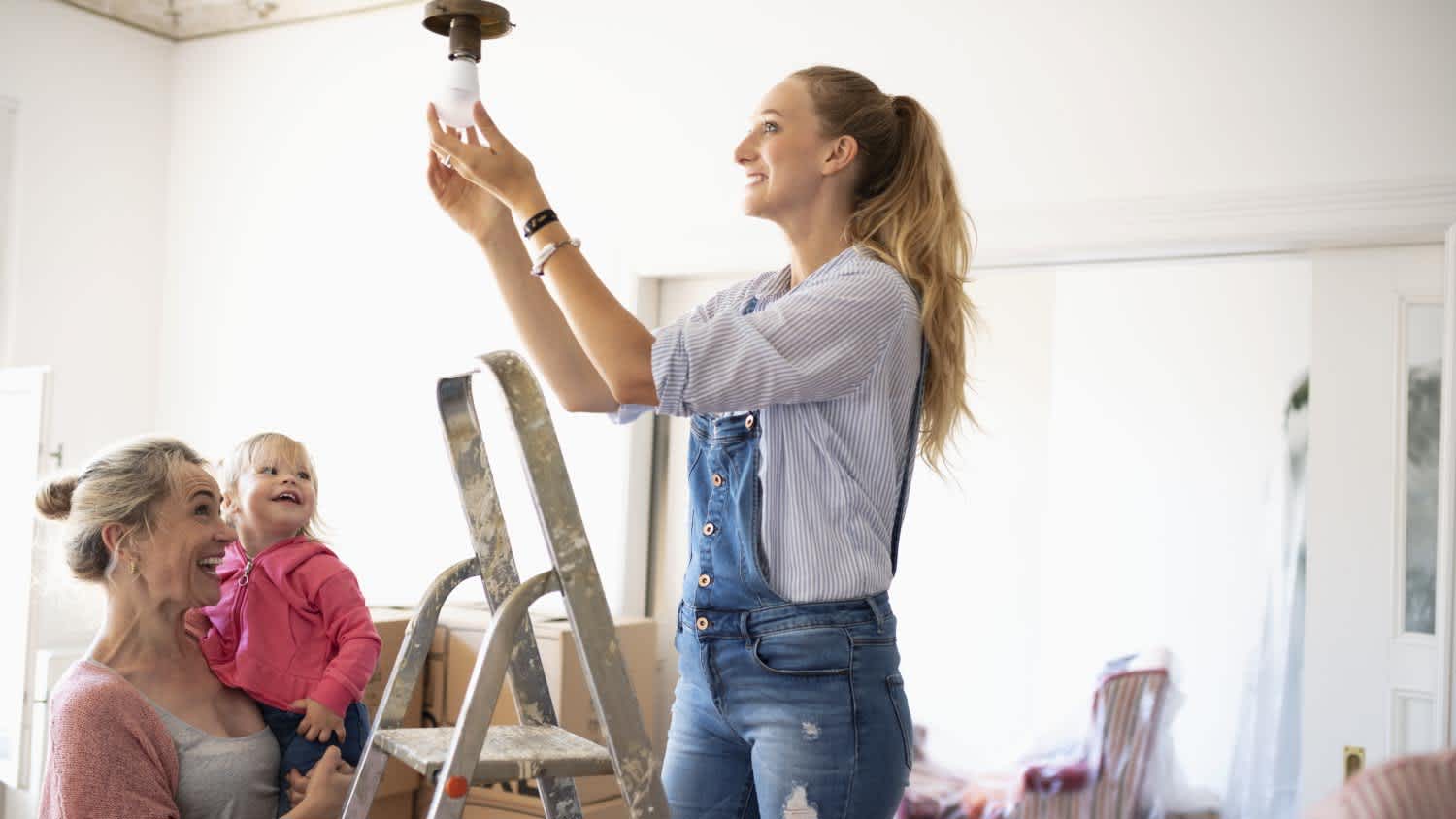
Provided you leave the switch in the off position, your broken bulb shouldn’t be drawing any power. However, there’s always the risk that the switch is turned on by accident, potentially causing electrical damage or even a fire. Plus, broken glass in the home is never ideal. For safety, it’s a good idea to remove broken bulbs as soon as possible. If you’re in doubt, a local lighting professional can help you remove the bulb safely and quickly.
Poorly designed and incorrectly installed outlets can create an electrical fire hazard, as do some phone chargers and adapters that plug into these outlets. However, most outlets are perfectly safe as long as they remain in working condition. Keep an eye on what you are plugging into the outlet and stay alert for signs of outlet malfunction, like sparks, burning smell, or frequent circuit tripping.
A C-wire is typically blue, but don’t rely on colors to find which wire is which when it comes to thermostat wires. The C-wire may also be black, brown, or purple. Instead, if you’re looking for the C-wire, look at the thermostat panel for a wire connecting to “terminal C,” or call in a pro to help you look for a C-wire.
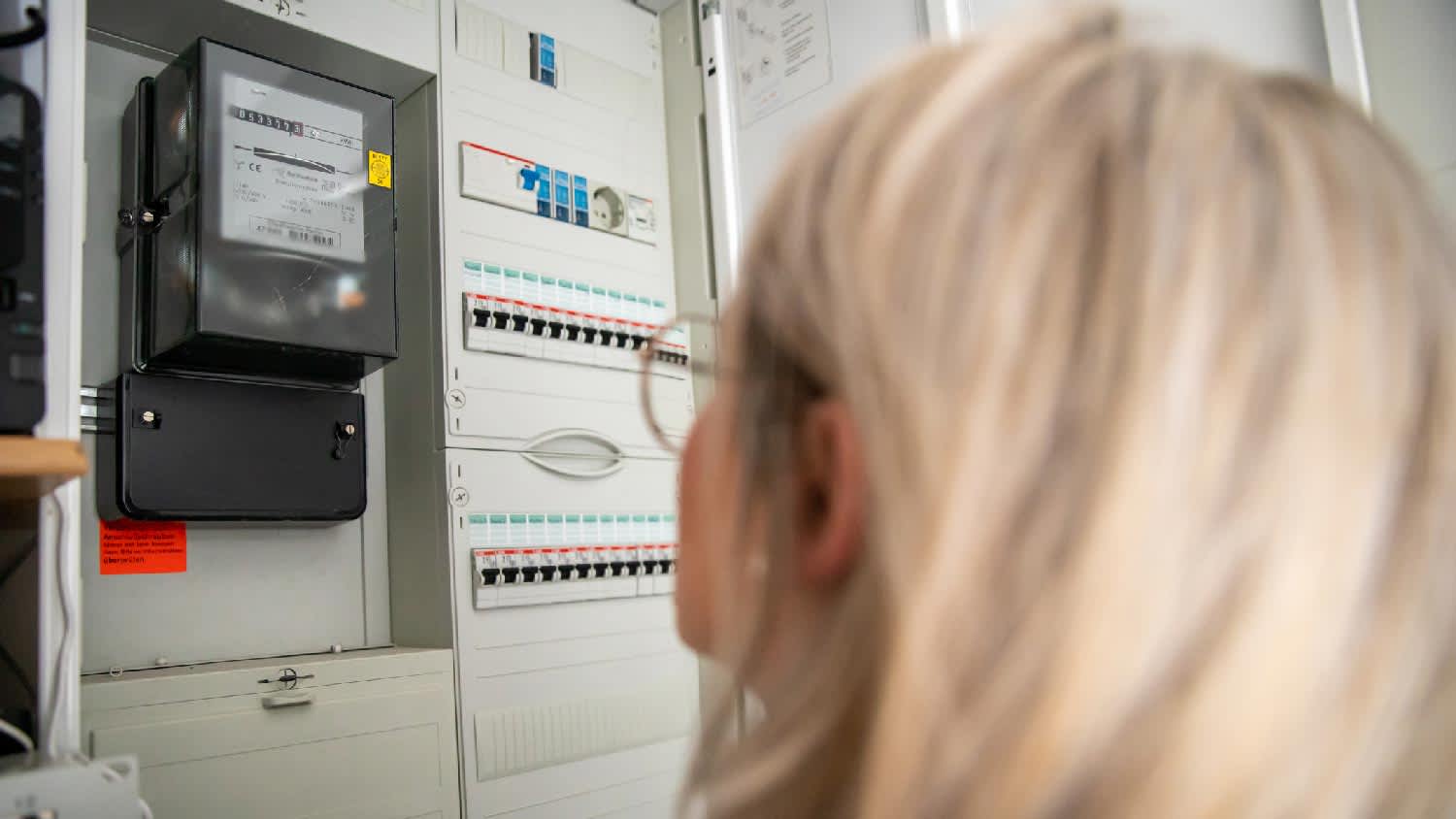
The cost to upgrade an electrical panel ranges from $1,200 to $2,000, depending on the type of electrical panel you need and the size of your home. Amperage plays a central role in determining the cost, so calculate your home’s electrical load before purchasing. For example, a 100-amp and 400-amp panel vary widely in cost.
The Buffalo Junction, VA homeowners’ guide to electrical services
From average costs to expert advice, get all the answers you need to get your job done.
Is it time to upgrade your electrical panel? For the sake of safety, find out sooner than later by exploring our top signs that it’s time for an upgrade.