



Top-rated excavation pros.

Get matched with top excavation pros in Bracey, VA

Enter your zip and get matched with up to 5 pros

Need a pro for your excavation project in Bracey, VA?

Select your specific project to find the pro for you.

Find Excavation pros in Bracey

Avatar for O Johnson Enterprises llc
O Johnson Enterprises llc
5.0(
4
)
Building Site - Preparation and Clearing

Serving Bracey, VA and surrounding areas

Approved

In business since 2017

Free estimates

Credit card accepted

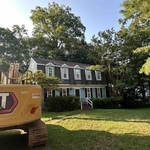
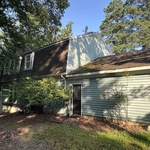
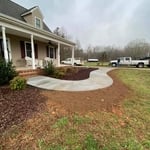
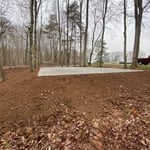
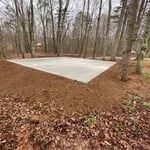
"Oscar, did and exceptional job with the work we contracted him. Our work included demolitioning an existing structure, moving a storage unit, and clearing trees and shrubery. Execellant work! Reasonable and comptetive rates. If you are in newd of any outside work we highly recommend. Lavern G."
Demolition
Demolition
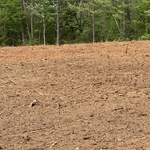
Land clearing
Land clearing
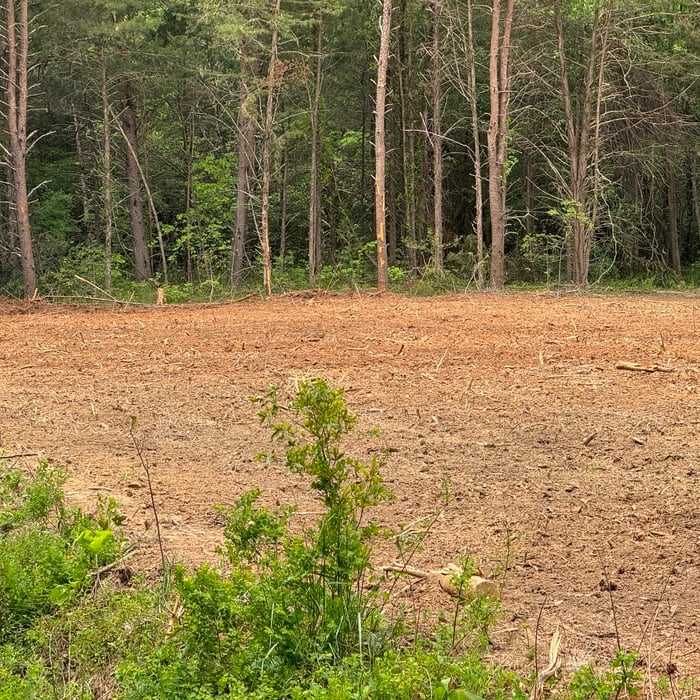
Land clearing

+2

45 neighbors recently requested a quote
Recommended by50%of homeowners

O Johnson Enterprises, LLC
5.0(
7
)
Building Site - Preparation and ClearingBuilding Site - Preparation and Clearing - For BusinessExcavation - Major Grading or Resloping+1 more

Serving Bracey, VA and surrounding areas

In business since 2014

Free estimates

Emergency services offered

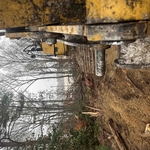
"Oscar cleared brush and high grass on about an acre along the back of my property. The property is irregular shaped, uneven terrain with multiple trees. He brought in the appropriate equipment, showed up when promised and did a great job. His prices are fair and I would definitely use him again."
Land clearing
Land clearing
Land clearing
Land clearing
Land clearing

+1

Response time30 mins
Recommended by85%of homeowners

Avatar for Walker Boy Landscaping LLC
Walker Boy Landscaping LLC
4.0(
78
)
Building Site - Preparation and ClearingBuilding Site - Preparation and Clearing - For BusinessExcavation - Major Grading or Resloping+2 more

Serving Bracey, VA and surrounding areas

In business since 2012

Free estimates

Credit card accepted

"It was good. There were certain things that weren't covered under the plan. I'm not sure if they cut the bushes down in the back around the fence. I had to pay extra for that. They should try get me to know the schedule so I know when they're coming and when they're not coming. Other than that, it takes time to get the workers together. I like Patrick and he's the owner. The thing in the firepit was included with the mulch but he said I had to pay for the materials."
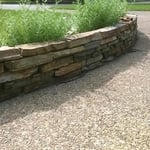
Rock Wall Installations
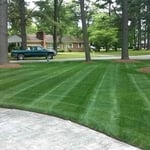
Stripes
Recommended by72%of homeowners

Avatar for Ojohnsonenterprisesllc
Ojohnsonenterprisesllc
5.0(
2
)
Building Site - Preparation and Clearing

Serving Bracey, VA and surrounding areas

In business since 2017

Free estimates

"Work done was done in a timely manner . Done as agreed upon . Very Professional results , Great individual to talk to , listens and has the property owners satisfaction , at high degree. Fortunate to have had him recommended to me ."
Recommended by100%of homeowners

Showing 1-10 of 21
Excavating questions, answered by experts

The best type of soil to build on is a mixture of sand and clay, known as loam soil. Loam soil has the best combination of these soil types to build a foundation on. The clay particles help with water retention, so it won’t erode like sandy soil might, and the sandy particles help with drainage, so you won’t see unsafe soil expansion or have an increased risk of leaks from water sitting against your foundation.

To locate an underground downspout, you should start by identifying where the above ground gutter drains. Look for an entry point, such as a pipe or elbow leading into the ground. Follow the surface path for signs like depressions, landscaping disruptions, or wet areas after rain. You can use a metal detector or plumber’s snake to trace the pipe underground. For deeper pipes, a professional locator tool or camera inspection may be necessary. Visual markers or utility maps can also guide the search.

Hard soil could be a sign of overly dry dirt, either from poor drainage or drought. It's important to test the nutrient levels, density, and drainage capacity of your soil to see if it's absorbing water properly. Begin by adding a light layer of water and observing how long the soil retains moisture. If you experience a good deal of runoff, you may need to aerate your lawn, apply a wetting agent, or hire a professional for a closer look.

There is no standard depth for burying a septic tank; they are typically buried anywhere from 4 inches to 4 feet underground. The final depth depends on several factors, including the depth of your main sewer line, the height of the bedrock, soil type, local regulations, and the property's landscape. If you plan to grow grass or plants over the tank, a depth of at least 4 to 6 inches is recommended. Deeper tanks can be more difficult to locate, but a septic professional can help find it for you.

Trenching and boring are two distinct methods for installing underground utilities. Trenching involves digging a channel using equipment like an excavator, trencher, backhoe, or shovel. While it is a simpler process, it causes significant disruption to the surface, landscaping, and surrounding ecosystems.

Boring, also known as directional boring, is a less invasive alternative that uses a drill to create a tunnel for utility lines without disturbing the surface. This method is more precise and is ideal for installations that need to go underneath buildings, roads, or bodies of water. Although boring is less disruptive, it is generally more expensive than trenching.

The Bracey, VA homeowners’ guide to excavation services

From average costs to expert advice, get all the answers you need to get your job done.