








Top-rated energy efficiency auditors.

Get matched with top energy efficiency auditors in Providence, UT

Enter your zip and get matched with up to 5 pros

Need a pro for your energy efficiency auditing project in Providence, UT?

Select your specific project to find the pro for you.

Find Energy efficiency auditors in Providence

Energy Efficiency Auditing questions, answered by experts

Dehumidifiers typically use 300 to 700 watts of electricity per hour, whereas portable dehumidifiers use about 40 watts per hour. The exact amount of electricity your dehumidifier will generate depends on its capacity and energy efficiency. Generally, higher-capacity dehumidifiers generate more electricity than lower-capacity units, but they also usually have better energy efficiency over the long run.

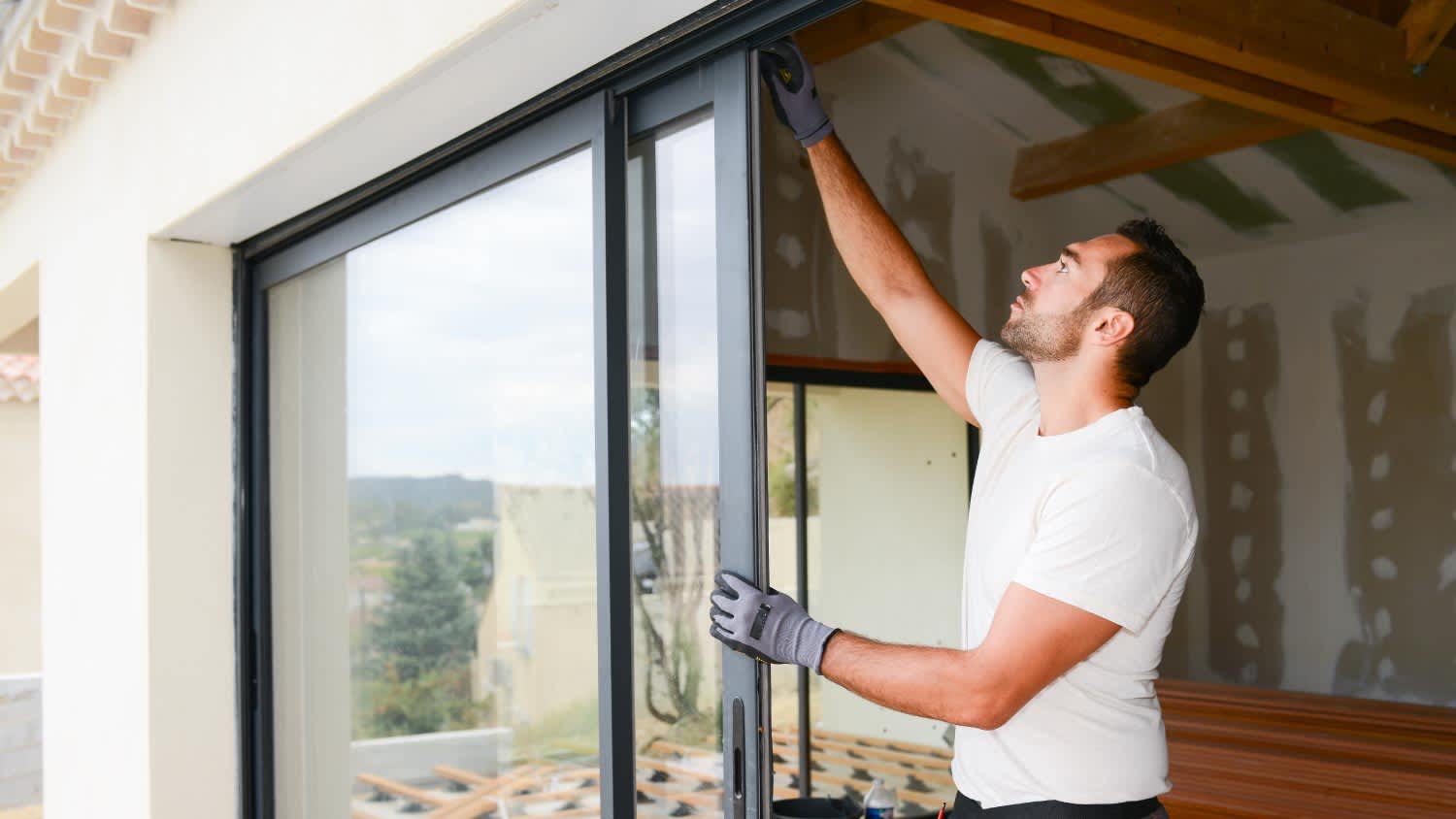
Expert installation optimizes insulation properties, cutting energy costs and enhancing home comfort year-round.

Wood windows fall in the middle of the window frame materials when it comes to energy efficiency. They’re more insulating than aluminum and vinyl, but they aren’t as efficient as fiberglass or composite frames. If you love the look and lifespan of wood windows and want to maximize efficiency, you can upgrade to double-pane or triple-pane glass and consider window tinting and low-emissivity (low-E) coatings to minimize heat transfer.

The three levels of home energy audits include:

  • Level 1: Review of your energy bills and home for signs of energy inefficiency and areas for improvement. The average cost range is $0.08 to $0.12 per square foot.

  • Level 2: A level 2 ASHRAE energy audit costs $0.12 and $0.35 per square foot. In-depth analysis of your energy usage and provides a report of cost-saving changes.

  • Level 3: Comprehensive analysis and detailed recommendations for ways to improve your home’s energy efficiency. A level 3 audit costs about $0.36 to $0.50 per square foot.

There is no blanket figure for a residential home’s electrical load, since load varies by the size of the home, how many appliances are used, and the efficiency of their electrical systems. Typically, however, it’s safe to assume 40 to 60 amps is the average electrical load of a residential home. 

The Providence, UT homeowners’ guide to energy efficiency auditing services

From average costs to expert advice, get all the answers you need to get your job done.