





Top-rated fireplace pros.

Get matched with top fireplace pros in Leeds, UT

Enter your zip and get matched with up to 5 pros

Need a pro for your fireplace service project in Leeds, UT?

Select your specific project to find the pro for you.

Find Fireplace pros in Leeds

Ford Custom Carpentry
4.8(
4
)
Brick or Stone Fireplace (Gas) - InstallBrick or Stone Fireplace (Gas) - RepairBrick or Stone Fireplace (Non-Gas) - Install+9 more

Serving Leeds, UT and surrounding areas

In business since 2021

Free estimates

Emergency services offered

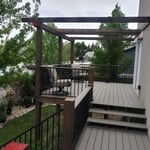
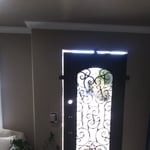
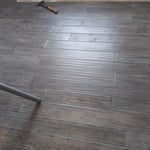
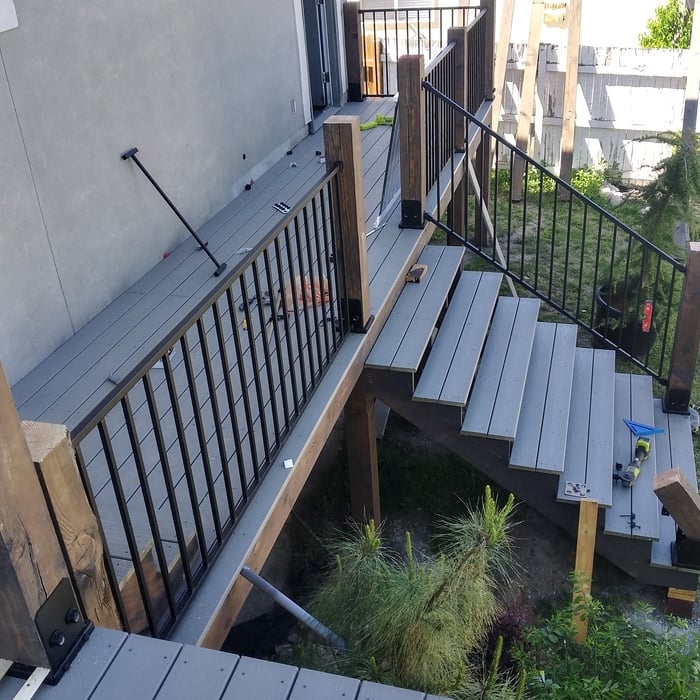
"Eric did a great job in building my vision of a deck. He also finished all of my hardwood flooring,trim, and crown molding that I didnt have time to do. I will hire home again to finish a few of my other projects I have."
Deck rebuild
Entry door
Siding
Hardwood flooring
Deck rebuild

+2

Recommended by100%of homeowners
Fireplaces questions, answered by experts

No, not all chimneys need a damper. However, most chimneys do, especially in newer homes. Most gas-burning fireplaces cannot function safely without a damper. Only some older wood-burning fireplaces can function safely without one. A chimney without a damper is essentially just an open hole in the roof of your home.

Electric fireplaces give off more heat than you might think. Because they don’t lose heat through a ventilation system, which is required for wood-burning and gas fireplaces, they’re able to disperse more heat into the room. However, many electric fireplaces are limited to a max of 5,000 or 5,200 BTU heat output, and you can get more from traditional fireplaces.

Depending on who’s doing the estimating, about 22,000 to 25,000 chimney fires happen each year in the United States. Given the fact that millions of Americans have fireplaces (and chimneys), that means chimney fires aren’t exactly common—but they’re not rare, either. Since they’re so dangerous, it’s important to take precautions to prevent them.

The height of the chimney for your outdoor fireplace depends on where the fireplace is located. Ideally, the chimney should be 2 to 3 feet higher than surrounding structures; this allows smoke to ventilate properly without endangering anyone or anything.

Note: Your municipality may have strict requirements regarding chimney heights, so it’s always a good idea to check local building codes.

Chimney crowns should be at least 2 inches thick at their thinnest point. If the crown is thinner than 2 inches, it’s more likely to be damaged and allow water to seep into the chimney.

The Leeds, UT homeowners’ guide to fireplace services

From average costs to expert advice, get all the answers you need to get your job done.