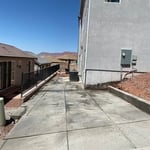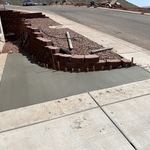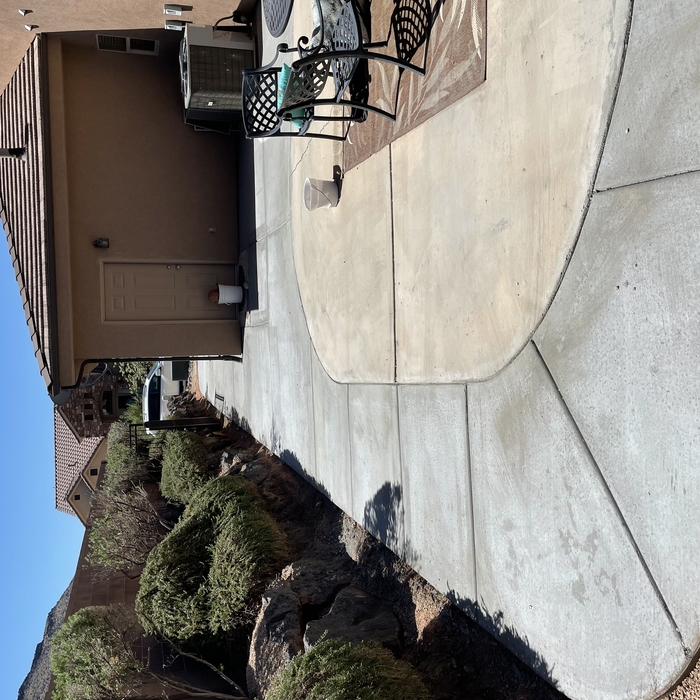







Top-rated masons.

Get matched with top masons in Hurricane, UT

Enter your zip and get matched with up to 5 pros

Need a pro for your masonry work project in Hurricane, UT?

Select your specific project to find the pro for you.

Find Masons in Hurricane

Legacy Pavers, LLC
4.7(
16
)
Brick, Stone or Block Wall - InstallBrick and Stone Patios, Walks, and Steps - InstallRetaining Wall - Install

Serving Hurricane, UT and surrounding areas

Approved

In business since 2000

Free estimates

Credit card accepted

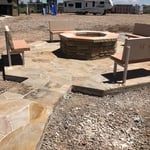
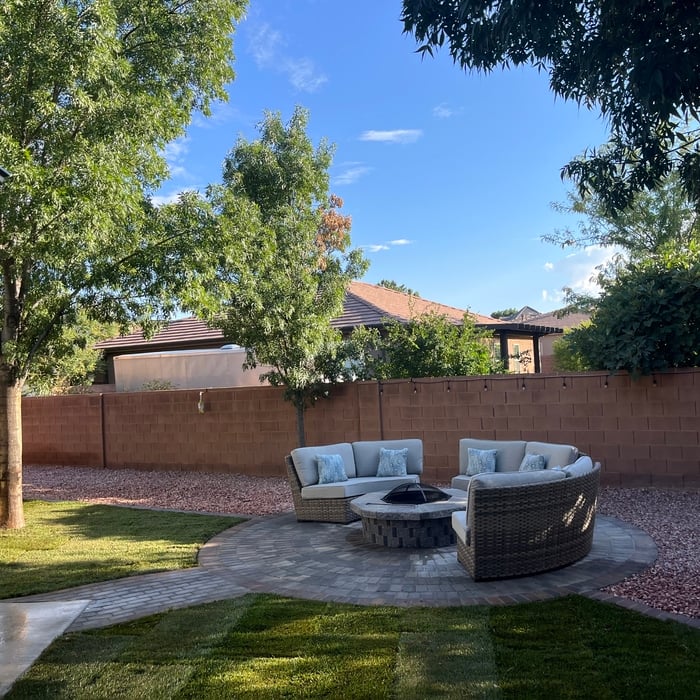
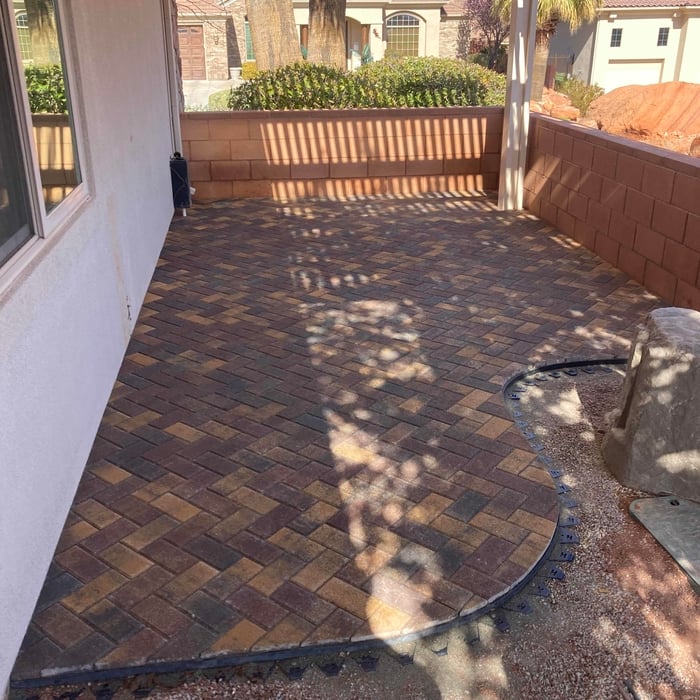
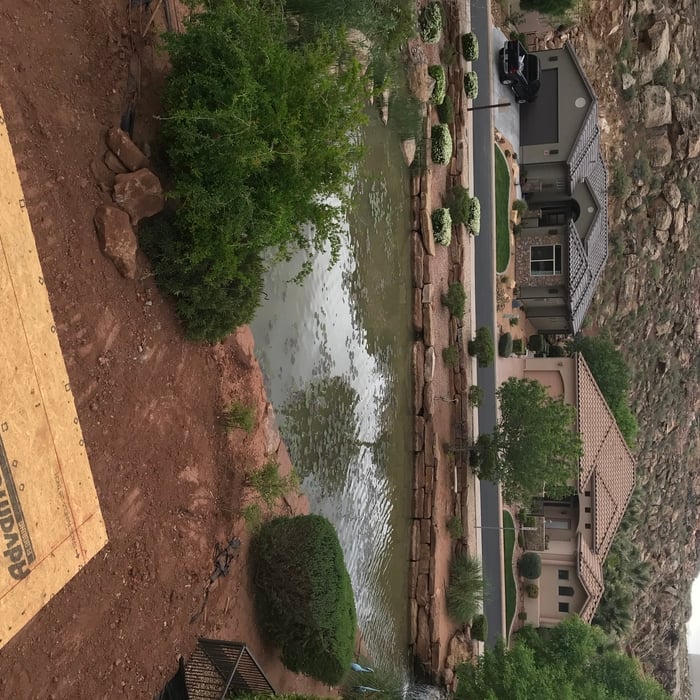
"They did excellent professional work in just four days. My only frustration was less than stellar communication - I did not know when they were going to start, they just showed up. I also did not realize the entire yard would be torn up to build the patio, but since it was already dead and weeds that was okay. We probably would have discussed it otherwise. I love the patio and would use Legacy Pavers again."
Response time3 days
Response rate87%
4 neighbors recently requested a quote
Avatar for ASPIRED CUSTOM CREATIONS LLC
ASPIRED CUSTOM CREATIONS LLC
5.0(
15
)
Retaining Wall - Install

Serving Hurricane, UT and surrounding areas

Approved

In business since 2022

Free estimates

Emergency services offered

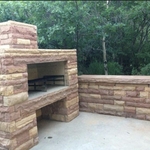
"Cody was fast and professional. He saw my vision and made it happen. Takes a lot of pride in his work and makes sure everything looks perfect. Great communication and will explain everything he is doing to ensure everyone is on the same page."
Gallery
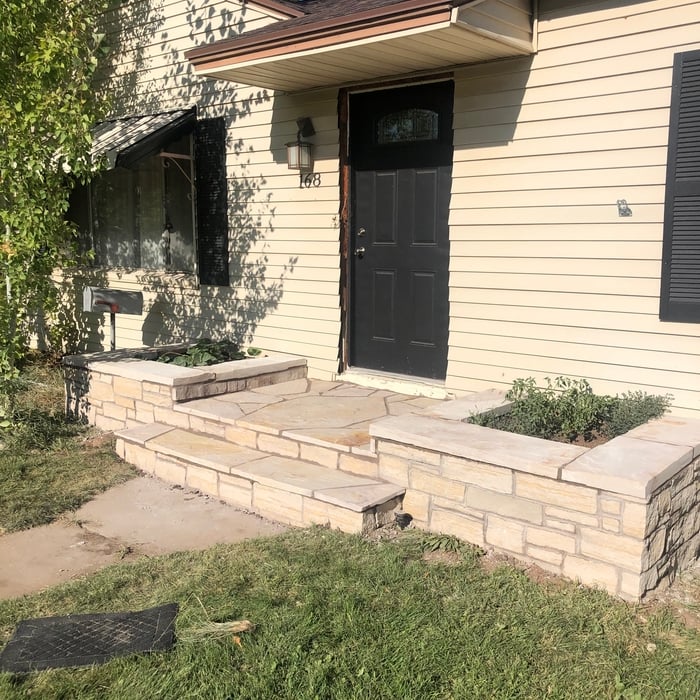
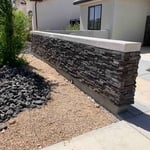
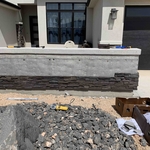
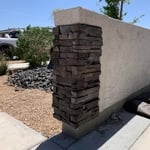
Stone veneer
Stone veneer
Stone veneer
Pavers

+6

13 neighbors recently requested a quote

Recommended by53%of homeowners
...
Showing 1-10 of 94
Masonry questions, answered by experts

The material you use depends on how hard-wearing your steps need to be and what you want them to look like. The most common stone for exterior steps is bluestone. It’s hard-wearing and durable, and bluestone steps cost between $15 and $30 per linear foot. Limestone is also a popular option and is mid-range, costing $25 to $50 per linear foot. You should always consider the specific requirements of your project before ordering any materials.

Drilling into brick doesn’t have to be a dangerous project if you prep and approach it with the right tools and techniques, but it does come with risks if it’s not done correctly. It can lead to significant issues, such as damaging the brick or affecting the wall’s structural integrity. Applying too much force can crack or chip the brick, while incorrect placement might compromise its load-bearing strength. 

It’s called cobblestone because it’s made of stones that are “cobbed” together. A cob is a term that refers to rounded lumps. Originally, cobblestone streets were made from pebbles and stones gathered from riverbeds that had been rounded over time by the passage of water. The term has nothing to do with a cobbler, which is the term for someone who makes and fixes shoes.

Brick houses can last at least 100 years with minimal maintenance. With regular care and attention, including mortar repointing, brick houses can last 500 years or more.

No, you shouldn’t lay bricks directly on dirt. While it might seem like a shortcut, it leads to a patio that shifts, sinks, and becomes a maintenance headache. Dirt expands, contracts, and erodes—none of which mix well with long-term stability. To build something that lasts, excavate the topsoil, compact a layer of crushed gravel, and add a coarse sand-setting bed. This layered base gives your bricks proper support, allows drainage, and helps block weeds from creeping through. Cutting corners here just means you’ll spend more time—and money—repairing your brick patio later.
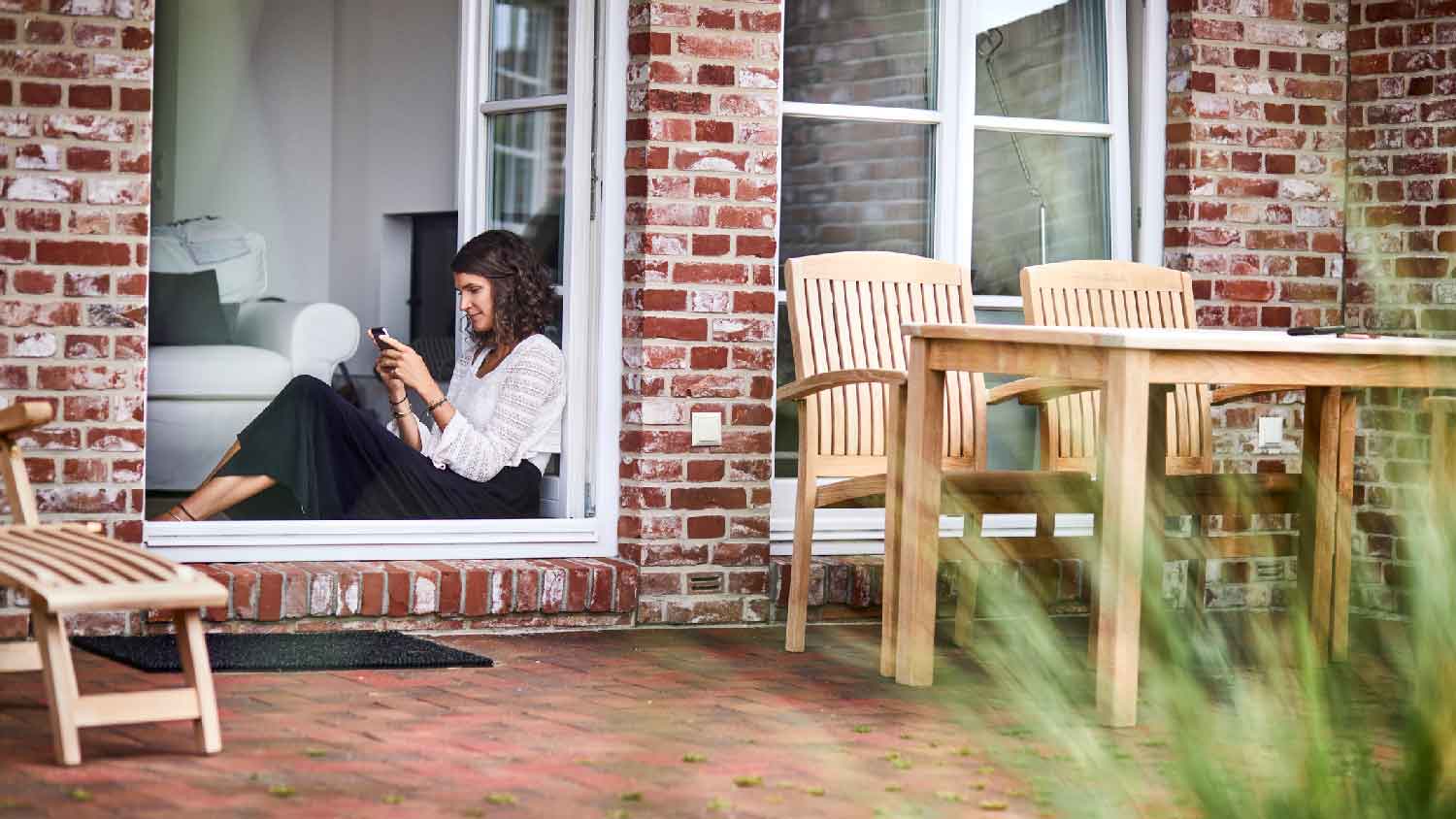
The Hurricane, UT homeowners’ guide to masonry services

From average costs to expert advice, get all the answers you need to get your job done.