








Top-rated deck maintenance specialists.

Get matched with top deck maintenance specialists in Garden City, UT

Enter your zip and get matched with up to 5 pros

Need a pro for your deck maintenance project in Garden City, UT?

Select your specific project to find the pro for you.

Find Deck maintenance specialists in Garden City

TWL CONSTRUCTION
New to Angi
Deck, Fence, Patio or Porch - Clean and SealDeck, Fence, Patio or Porch - Clean and Seal - For Business

Serving Garden City, UT and surrounding areas

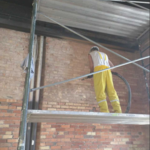
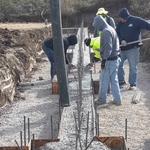
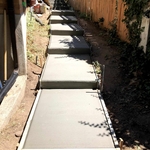
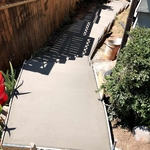
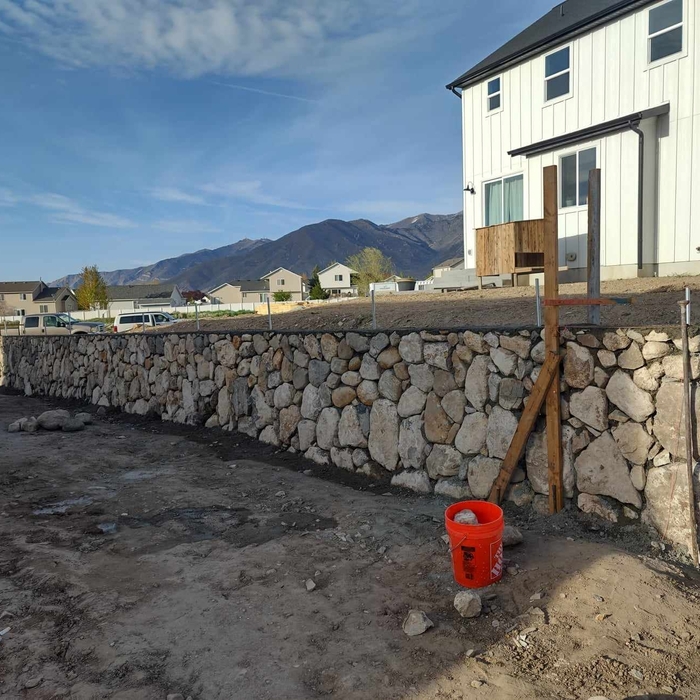
I have 10 years of experience doing concrete work in different types. I went to school for construction and I went did my internships on a concrete company and now I start my own company. My team can do concrete flat work in different types including colors and stamps, We also can do a retaining walls. Footings& Foundation we can forms and pour footings and walls

Additional Photos
Additional Photos
Additional Photos
Additional Photos
Additional Photos

+41

Deck Maintenance questions, answered by experts

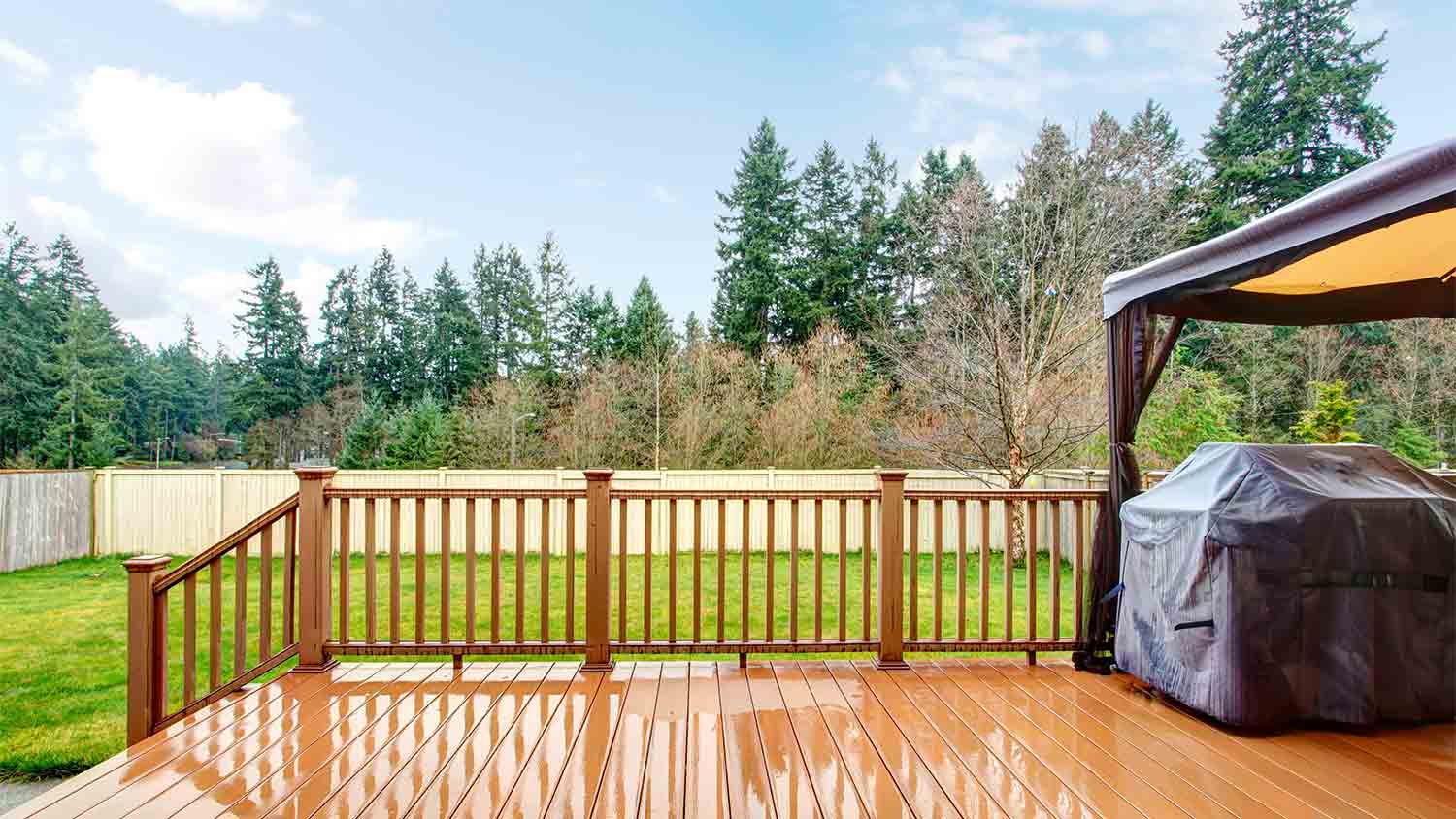
Staining and sealing the underside of a deck creates a moisture barrier but traps water in the boards, quickly leading to rot. No matter how well you seal the above deck, water still gets through via nails and screw heads on the surface. Allow this water to flow naturally under the deck, where it is routed through the drainage system.

Deck boards should be spaced no more than three-eighths of an inch apart. This is enough space to allow water and small debris to pass through without collecting on the surface, but not enough to create a tripping hazard. Certain materials, like pressure-treated wood, shrink over time, so they may need less space at installation.

In most cases, your deck will need some form of deck footing to hold it in place, preventing moisture from rotting your wood and decreasing your deck’s lifespan. Concrete deck blocks are the most common type of footing for floating decks. Some homeowners use ground-level deck footings. For added security, consider digging and laying your ground-level footings below ground.

The problems with composite decking include a high rate of expansion and contraction from temperature swings. This characteristic can cause boards to split, delaminate, or peel. In addition, significant movement can cause shrinking, warping, twisting, and bending. For this reason, you should minimize moisture and ensure proper airflow below your deck.

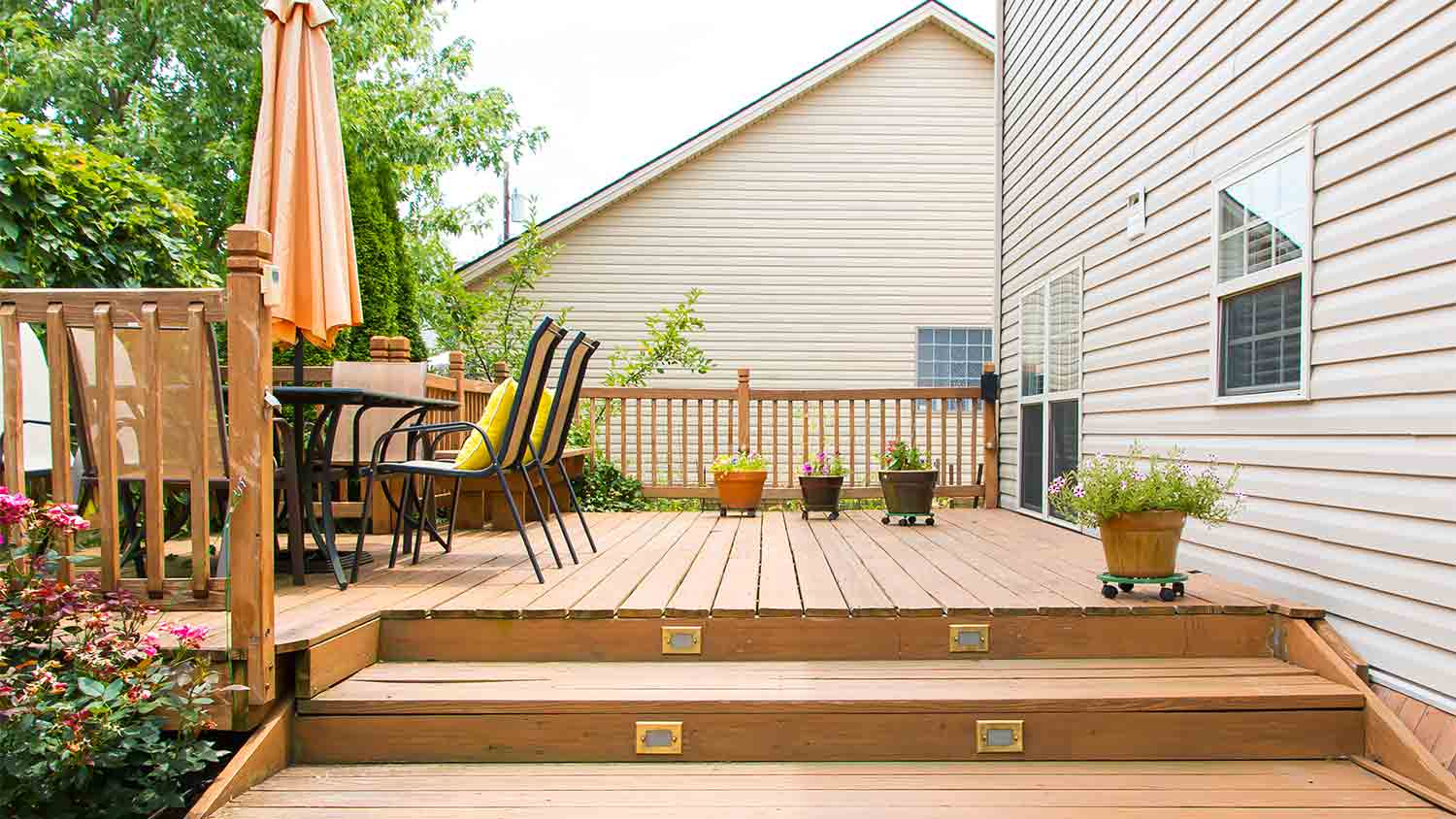
Most building codes list a minimum width of 36 inches and a maximum height of 7¾ inches. However, for the most comfort and spaciousness, you’ll want to aim for a width of at least 48 inches and a height of 7 inches. Again, it’s always a good idea to base your numbers off steps that you already use comfortably.

The Garden City, UT homeowners’ guide to deck maintenance services

From average costs to expert advice, get all the answers you need to get your job done.