A treatment from a pest control service can last anywhere from 3 to 6 months, depending on the type of treatment, what pest it’s treating, and what environment you live in. This is why pest control service companies often offer packages where they come out multiple times a year to apply treatment to the outside or inside of your home.
Take a few preventative measures to prevent mice from chewing your car wires. First, consider adding a few drops of a taste deterrent, such as pine-based floor cleaner or peppermint oil. Also, regularly starting your vehicle, even if you don't drive it frequently, can discourage rodents from nesting in the engine bay, as they prefer quieter and sheltered environments. Finally, consider leaving your car's hood up at night when parked in a garage, which makes the engine bay less inviting for rodents as it becomes less dark, warm, and comfortable.
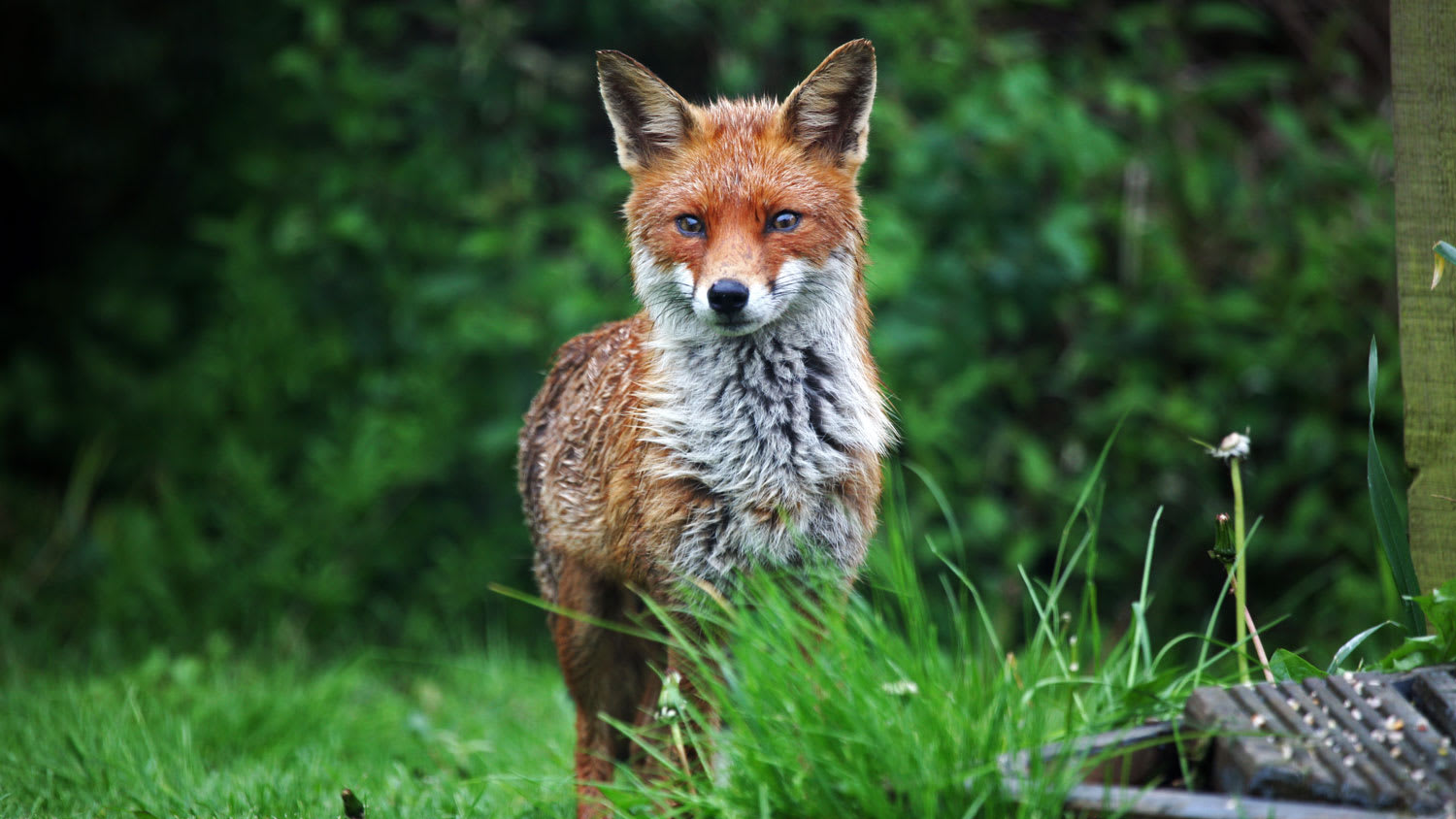
Unless foxes are a major threat or nuisance, living peacefully alongside them is often better. Reclusive foxes are rarely a risk to humans, and they can help keep rodent populations at bay and boost biodiversity in your yard. Plus, if you are a wildlife lover, there is the simple privilege and pleasure of watching a fox family interact right on your doorstep.
No, one snake does not always mean more. While snakes do often congregate in dens to breed, for most of the year, they are primarily solitary creatures that do not travel in groups. A single snake may make its way near your home in search of food, warmth, or shelter.
Skunks are nocturnal creatures, meaning they are primarily active at night, particularly around dusk and dawn. Their activity levels increase as the weather warms up, and they are generally dormant or inactive during the winter. Skunks are especially active during the spring months when they are foraging for fresh food and seeking mates. While they are typically not seen during the day, daytime activity is possible if a skunk is having trouble finding food, has babies to care for, or is severely ill.
The Fillmore, UT homeowners’ guide to animal fencing services
From average costs to expert advice, get all the answers you need to get your job done.
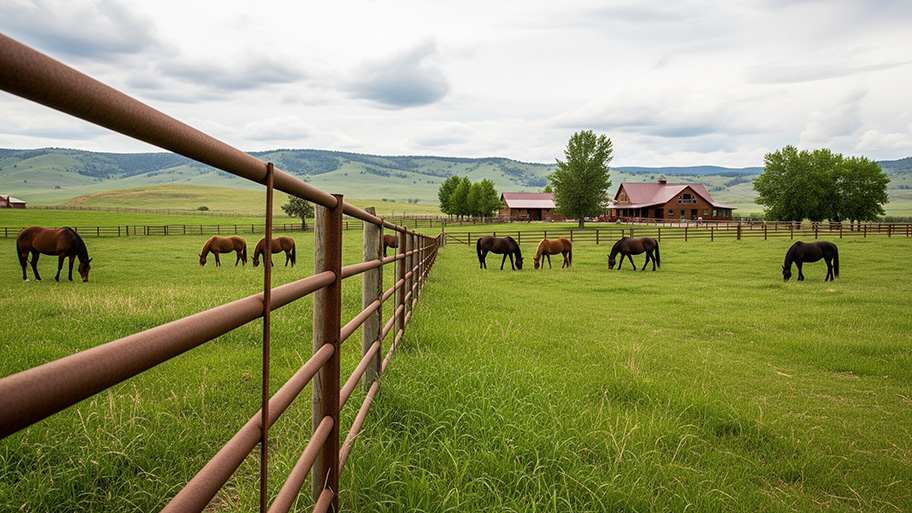
Pipe fencing is an extremely strong, durable option for containing horses and other livestock. This guide breaks down the factors that affect pipe fence cost.