At Mr. Sandless Salt Lake City we sustain our company on reliability, great communication, integrity and quality work. We strongly believe in giving our absolute best in all of our projects. We are experts in our trade, and will always keep you educated on your particular task or project. Call today!
"They were having car trouble but they put that aside to do my floor. To me that speaks very high to their commitment to the job, I would definitely hire them for another job."
Common issues include cracks, stains, scratches, and chips. These can occur from impacts, spills, or improper maintenance. Addressing them promptly can prevent further damage and maintain the countertop’s aesthetic and functional integrity.
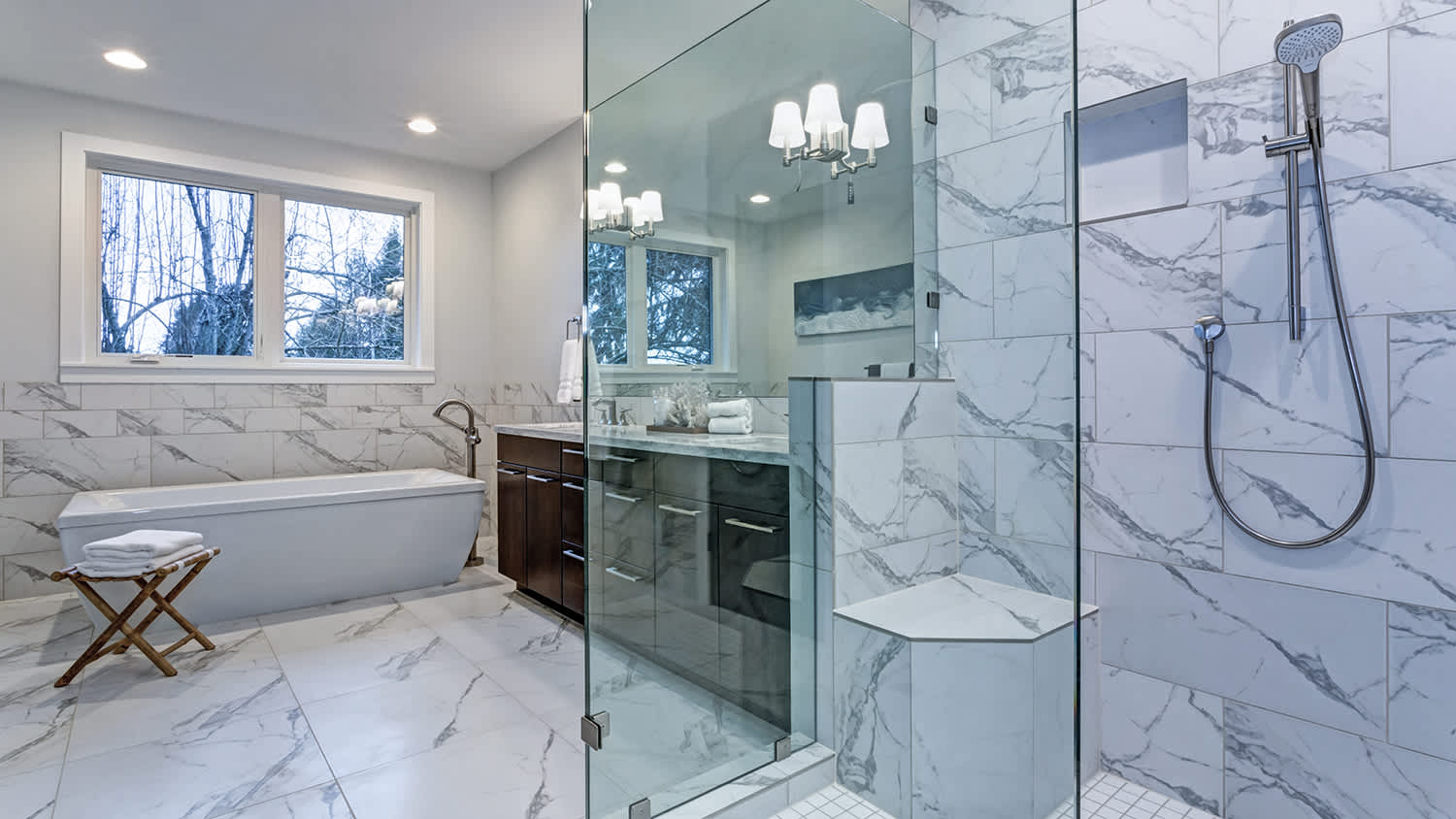
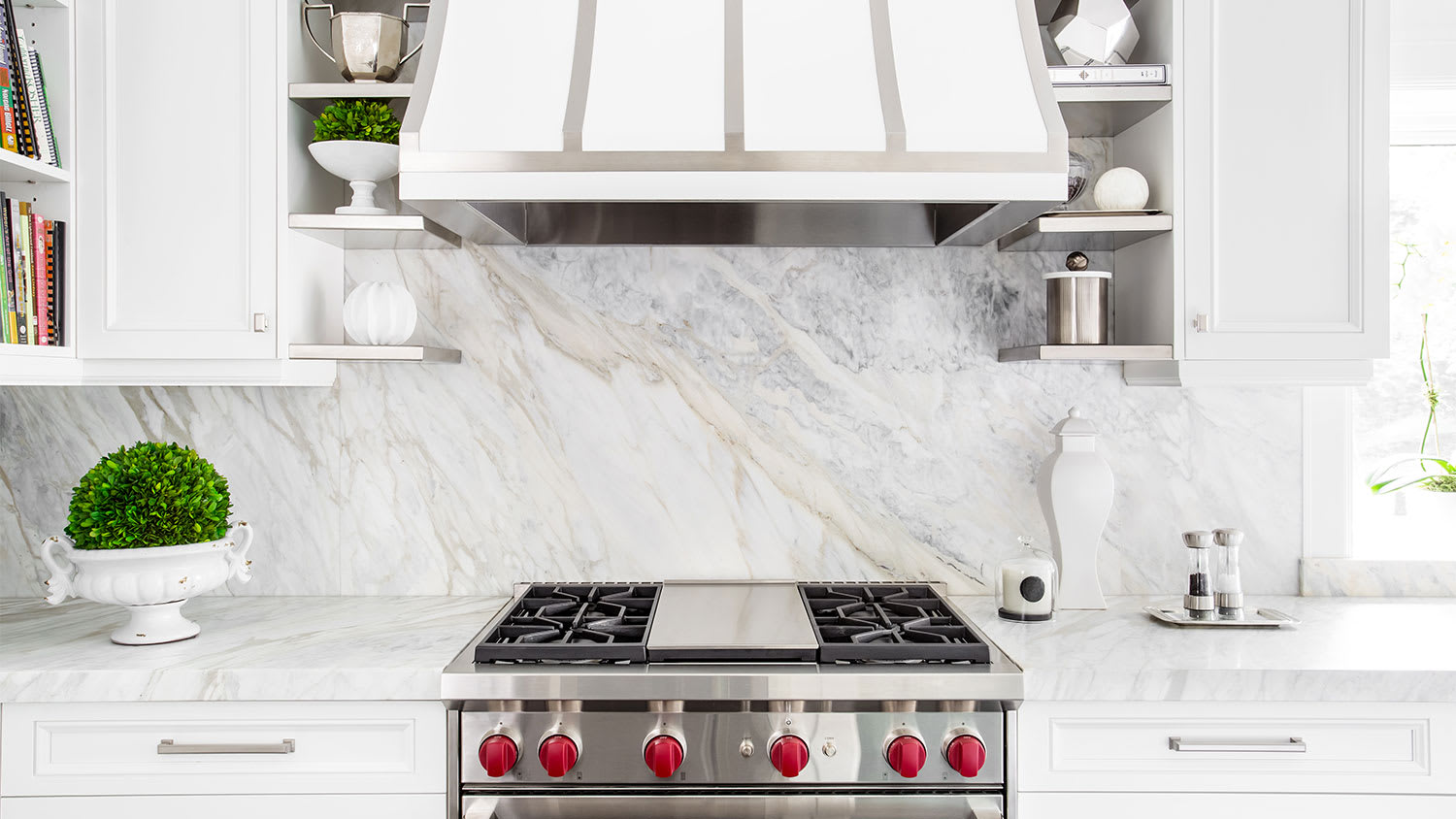
Marble countertops don’t necessarily crack easily. However, they are more susceptible to damage than some other types of countertops. For example, they can develop etching from acidic liquids, such as lemon or tomato juice. Marble can also chip at the edges if you drop a heavy pan. A faux marble countertop isn’t as delicate as the real deal (depending on the material you’re painting over), but it can still get scratched if you’re not careful. Use hot pads and cutting boards to protect the countertop.
Use a pH-balanced cleaner, avoid abrasive materials, and reseal porous stones like granite annually to maintain durability.
Rock salt and ice melts contain sodium chloride, aka salt, and are corrosive to metal and concrete. If used frequently over time, it can cause corrosion, discoloration, chipping, and cracking to patios, walkways, and driveways. You can try a rock salt alternative or hire a professional snow removal company instead.
Engineered stone doesn’t need sealing because it is non-porous. The manufacturing process creates a natural stain resistant to moisture, which also makes it easy to clean.
The Ferron, UT homeowners’ guide to marble restoration services
From average costs to expert advice, get all the answers you need to get your job done.
Thinking about marble restoration? Learn about polishing options, average costs to expect, and how to hire the right local pro to renew your stone surfaces.