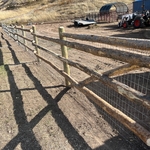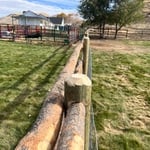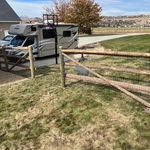


Top-rated animal fencing pros.

Get matched with top animal fencing pros in Corinne, UT

Enter your zip and get matched with up to 5 pros

Need a pro for your animal fencing service project in Corinne, UT?

Select your specific project to find the pro for you.

Find Animal fencing pros in Corinne

Animal Fencing questions, answered by experts

Identifying the specific animal running on your roof at night can be challenging without direct observation. Common nocturnal roof visitors include raccoons, squirrels, opossums, and rats. Raccoons are bigger and can create heavy thumping sounds. Squirrels are agile and may produce rapid scurrying noises. Opossums tend to move stealthily with less noise. Rats can make scratching or gnawing sounds. To determine the culprit, look for signs like footprints, droppings, or damaged areas near the roof. For accurate identification, consult a pest control professional or set up wildlife cameras near potential entry points.

Moles live underground and feed on insects. They dig and move through tunnels, usually in meadows or forests but sometimes in lawns and gardens. They are about 6 inches long with large claws, tiny eyes, and hidden ears. 

Shrews do not dig their own tunnels but will use other animals’ tunnels, and are about 3 to 4 inches long. They look similar to mice and feed on insects.

Voles are similar in size to moles but have large eyes and small but visible ears. Rather than eating insects, voles are herbivores that prefer seeds, grasses, and plant roots.

For the most part, goats are friendly and won’t charge at you, but there are exceptions to this rule, as there are with any animal handling practices. Typically, goats don’t attack unless they feel threatened. Avoid cornering or rough handling goats to avoid getting head-butted, bitten, or kicked, and always supervise goats when they’re near children or pets.

Natural pools don’t necessarily attract snakes, although there is a chance they could stop by for a quick visit. They’re not likely to stay, however, because there’s nothing for snakes to eat in a natural pool environment. A well-maintained natural pool has clear water, so you should be able to easily spot a snake before diving in.

Some suggest mothballs as a deterrent for iguanas, but they are ineffective and harmful. Mothballs contain chemicals like naphthalene or paradichlorobenzene, which are toxic to humans and animals, including iguanas. The fumes can cause respiratory problems, skin irritation, and other health issues. Moreover, using mothballs outdoors is not recommended, as they contaminate soil and water sources.

The Corinne, UT homeowners’ guide to animal fencing services

From average costs to expert advice, get all the answers you need to get your job done.