


Top-rated radon detection and reduction specialists.

Best radon detection and reduction specialists near Beaver, UT

Enter your zip and get matched with up to 5 pros

Need a pro for your radon detection and reduction project in Beaver, UT?

Select your specific project to find the pro for you.

Top-Rated Radon detection and reduction specialists in Beaver - Updated Nov 2026

Avatar for O. C. Home Inspections
O. C. Home Inspections
5.0(
1
)
Radon Gas - Testing

Serving Beaver, UT and surrounding areas

In business since 2019

Free estimates

With over 5 years of experience, Quality is our Goal! We're a locally owned and operated company that values honesty and integrity, and stands behind our work. We specialize in home inspections. Our services are customized to the individual project, paying close attention to the details of each project that we're involved with. We look forward to building long-term relationships with our clients and guarantee your satisfaction! . We also offer Home Energy Audits, Mold Testing, Meth Testing, and Radon Testing.

Buy Back Guarantee
Toxin Testing
Interachi  Certified
Response time4 days
Recommended by100%of homeowners
Radon Detection and Reduction FAQs, answered by experts

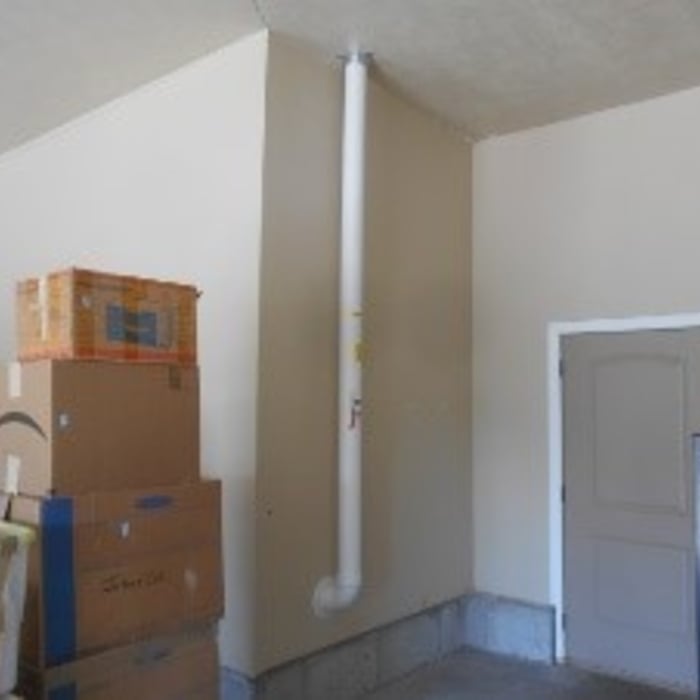
Options include sub-slab depressurization, crawlspace ventilation, and sealing cracks. Choose based on home construction and radon levels.

Radon is a cancer-causing radioactive gas that poses serious health risks, infiltrating homes through foundation cracks and unnoticed spaces.

No level of radon is technically safe, but since it is naturally present everywhere, it is impossible to avoid entirely. The average radon level in homes across the United States is 1.3 picocuries per liter (pCi/L). The Environmental Protection Agency (EPA) recommends taking action to reduce radon levels if your home's test results are between 2 and 4 pCi/L or higher.

Keeping radon from getting into your home is much better than having to get rid of it once it's already indoors. While there may not be a way to fully prevent radon from getting into your home, there are things you can do to reduce the gas's ability to enter. 

Sealing foundation cracks and openings can help keep the gas from seeping inside. Improving air flow, such as by opening windows, can also be helpful. If you're building your home from scratch, talk to your contractor about using radon-resistant construction to keep the gas out.

You can vent radon out of your house sometimes by simply opening a window, but it won’t remove the source, and will likely rise above recommended levels quickly. A professional will be needed to assess your home, and determine the best strategy for radon removal. Active radon sump pumps and soil depressurization systems are often used to forcefully vent the radon from your home.

The Beaver, UT homeowners’ guide to radon detection and reduction services

From average costs to expert advice, get all the answers you need to get your job done.