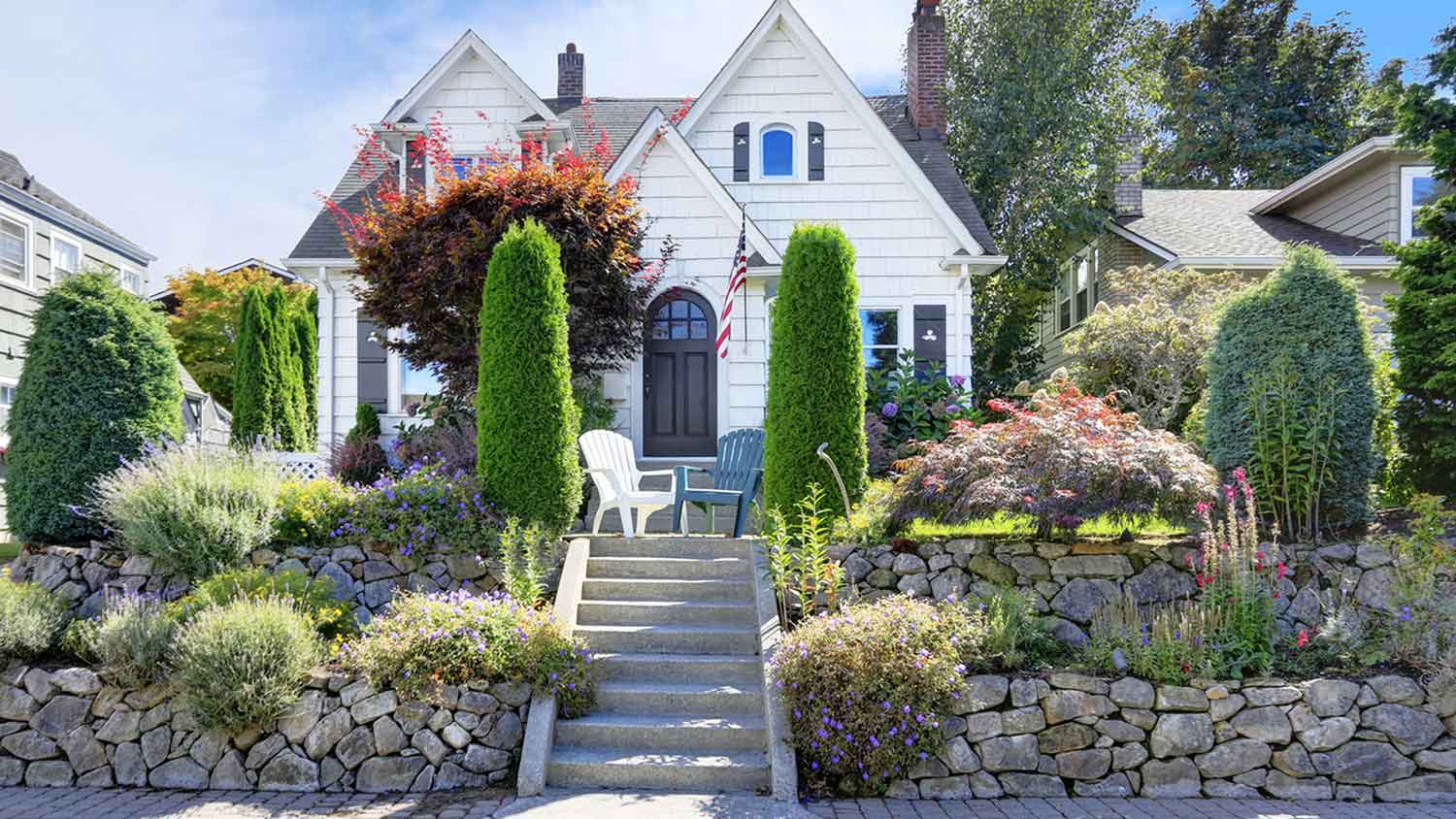
"We wanted to have a sprinkler system and a new front yard put in. We contacted Angi's List and received an email from Timpanogos Landscaping a short time later. We were very happy with their bid. They installed a new sprinkler system and new sod in a timely manner. We are pleased with Timpanogos's service and delighted with our beautiful yard."
Mach 2 Construction, LLC is ready to work for you. There isn't a job too big or small for our highly qualified staff. We take care of all our customers the right way. Give us a call today for your free estimate.
Retaining Wall Installers questions, answered by experts
Proper design and construction prevent erosion and add structural stability to landscapes.
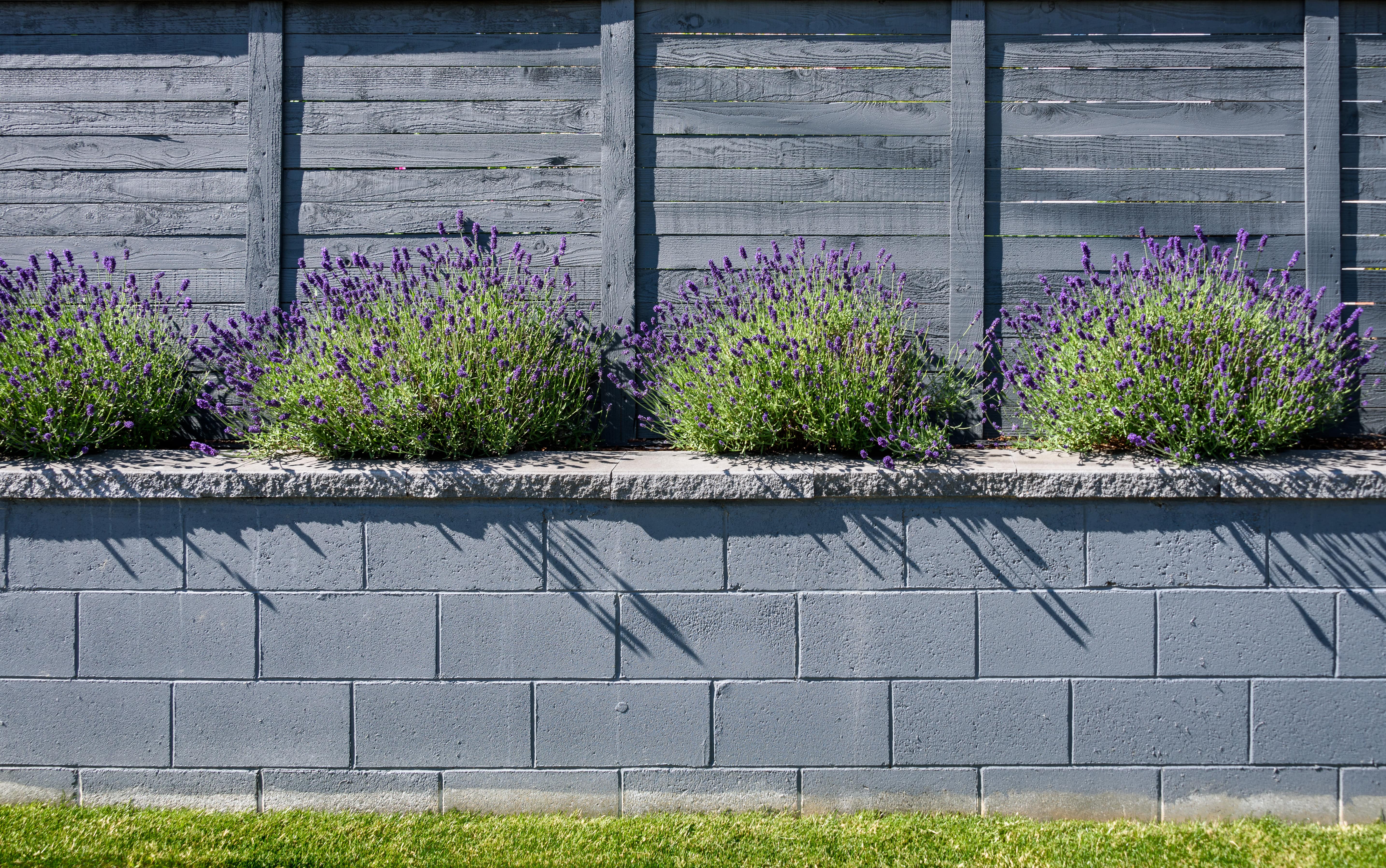
Generally speaking, a retaining wall should be between 3 and 4 feet high, depending on variables such as the wall-building material, the purpose of the retaining wall, and more. If you want your retaining wall to be taller than 4 feet, check with your local building ordinance office for the maximum allotment. You may also need a special permit for retaining walls over 4 feet tall.
Rebar is a steel support that goes inside concrete to prevent structural damage over time. Concrete is susceptible to impact, weight, and tension. By inserting rebar into the concrete during the installation, you can help extend its lifespan and avoid hazardous situations where the foundation of your home gives way to tensile forces.
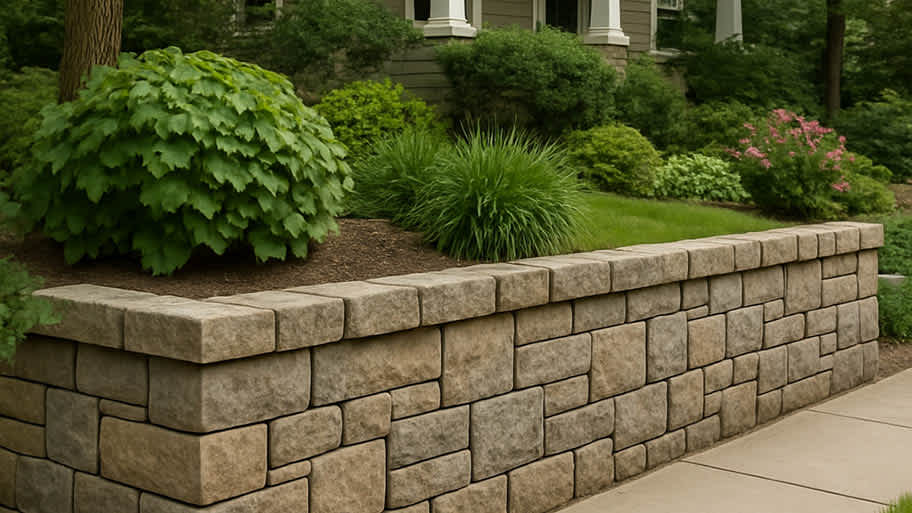
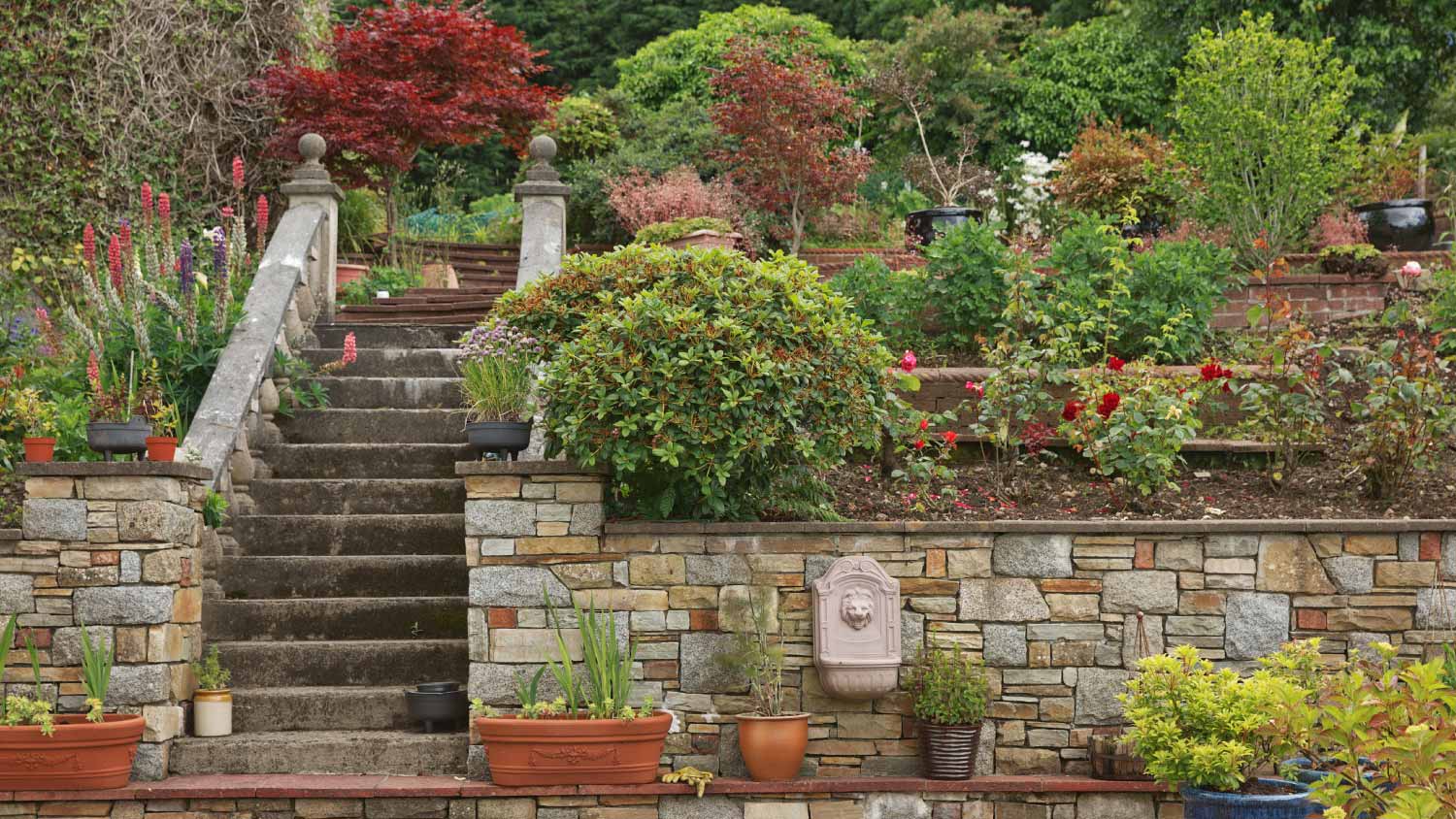
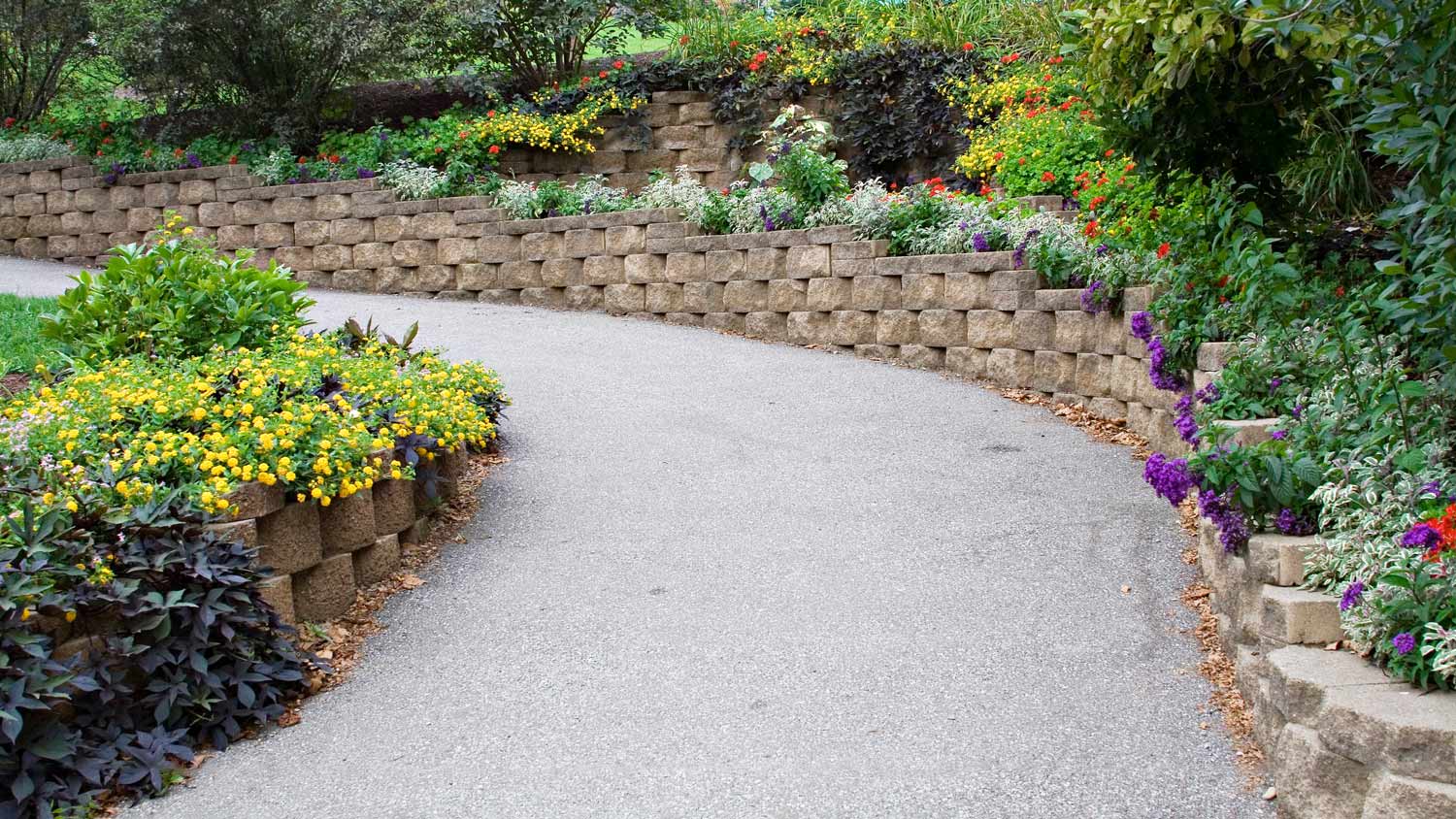
Options include concrete, stone, brick, and wood, tailored for specific design needs.
The longevity of flood walls depends on how they were constructed, but most wood, gravel, and cement flood walls last 10 years. While aluminum flood walls may cost far more initially, they can be a good investment as they can last decades and will not be damaged by exposure to the elements.
The Ballard, UT homeowners’ guide to retaining wall installation services
From average costs to expert advice, get all the answers you need to get your job done.
Retaining wall repair cost can vary widely based on the age and condition of the wall being restored. Learn why finding the right pro is important for getting the job done.
While it’s possible to DIY build a retaining wall, several pros have advanced knowledge of hardscaping and building. Learn who to hire to build a retaining wall.
Build your driveway retaining wall right the first time. A lot rests on the integrity of its construction. Keep these tips in mind when installing yours.