





Top-rated above ground pool installation pros.

Get matched with top above ground pool installation pros in Austin, UT

Enter your zip and get matched with up to 5 pros

Need a pro for your above ground pool installation project in Austin, UT?

Select your specific project to find the pro for you.

Find Above ground pool installation pros in Austin

Avatar for American Home Shield – Home Warranty
American Home Shield – Home Warranty
3.5(
5,688
)

Serving Austin, UT and surrounding areas

In business since 1971

Credit card accepted

"AHS is ok. They cover repairs of most everything under the roof of your house. The companies that contract with them are not always the best. You call AHS with the issue, they send a fax to the repair company and give you the contact info. If they don't contact you within 24 hours, you call them. Sometimes they answer, sometimes they don't. When they arrive (usually three days or so later), they service the item. if it has issues within the 90 days, you call AHS again, they are sent out with no charge. If the serviceman decides the unit is unrepairable, AHS will allow you to choose a replacement from their listing (usually not as good as what you have) they will install and remove your old item, or give you wholesale amount to buy and install your own. Prices vary on what you want covered and what you want the copay to be, plus where you live. For me it is 49.99 per month with a 75.00 time of service order. You can have more than one item serviced at the same time under the same fee. If you have a SEAR product the repair guys are great. Not that wild about the other ones they send out. But it is a big savings compared to calling someone on your own. The cost of service is only the 75.00 copay."

Additional Photos
Additional Photos
Additional Photos
Additional Photos
Additional Photos

+2

Recommended by65%of homeowners
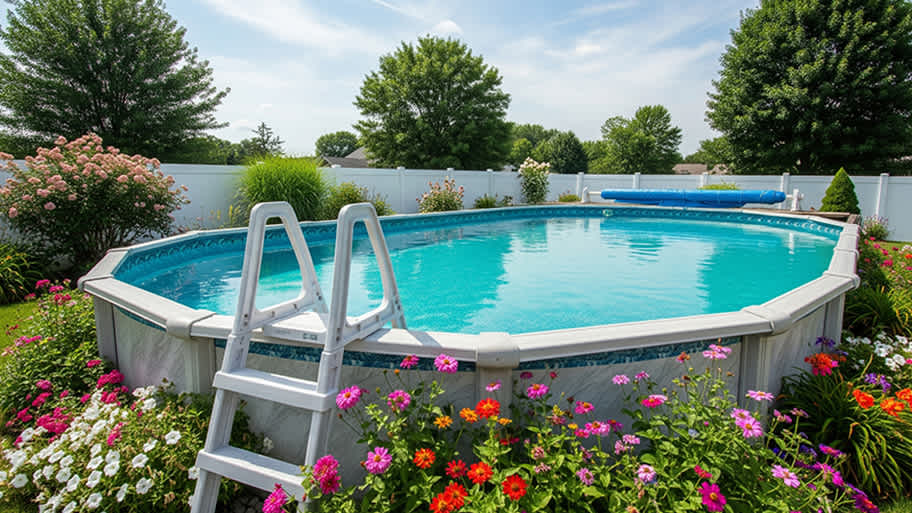
Install Above Ground Pools questions, answered by experts

Most of the time, though there may be some code variations on the local level, a water source like a pool requires a GFCI breaker. These breakers detect electrical leaks of 5 mA or more and trip the breaker. However, the size of the pool and motor type determine the exact GFCI needs. A GFCI outlet with a reset button may be enough for an aboveground pool with a small motor or pump. Consult a pool electrician to determine the appropriate installation and protection measures needed for your pool.

Generally speaking, you should expect to wait 24 to 48 hours after filling a pool before you use it. However, the actual timeline depends on a few factors. Most importantly, you need to shock the water with chlorine or an alternative to swimming pool chlorine and let the concentration come down to a safe level before using the pool. Additionally, most water sources will be cold, and it can take days before the sun or your pool heater warms your water to a comfortable temperature. Alternatively, getting water professionally delivered could have you swimming in just a few hours.

You shouldn’t swim in a pool with algae. When there’s algae, there’s also bacteria that’s feeding on the algae. Also, algae-infested pool water is often chemically imbalanced, which means germs like Cryptosporidium, Giardia, and E.coli could be present. These germs can cause a range of illnesses from gastrointestinal issues, to rashes, and respiratory problems.

The best thing to do is to get rid of the algae first, test and balance the water, and then you can enjoy swimming without any worries.

No, pool jets should not have air coming out. While it’s a common problem, making it seem like air coming out is the norm, bubbling pool jets are a sign of loose bearings or fittings, or low water levels. You should get to the bottom of your jets releasing air bubbles because it could be a sign that there’s air entering the pump, which can shorten the lifespan of your pump or lead to costly repairs.

When you’re winterizing your pool, you need to drain some of the water to prevent cracking and warping from ice. Nonetheless, you should never drain all of the water. Ideally, you’ll lower the water level to anywhere from four to six inches below the skimmer. This will protect the structural integrity of the walls, help prevent your pool liner from warping, and reduce damage from debris.

The Austin, UT homeowners’ guide to above ground pool installation services

From average costs to expert advice, get all the answers you need to get your job done.