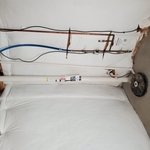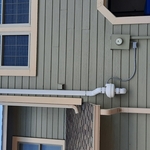







Top-rated radon detection and reduction specialists.

Get matched with top radon detection and reduction specialists in White Oak, TX

Enter your zip and get matched with up to 5 pros

Need a pro for your radon detection and reduction project in White Oak, TX?

Select your specific project to find the pro for you.

Find Radon detection and reduction specialists in White Oak

Avatar for Environmental Testing & Research Laboratories, Inc

Environmental Testing & Research Laboratories, Inc

4.85(
347
)

Environmental Testing & Research Laboratories, Inc

4.85(
347
)
Customers say: True professional
Recommended by 93% of Angi customers
Recommended by 93% of HomeAdvisor customers

ETR Laboratories in an analytic laboratory with a broad range of commercial, industrial and individual clients. We provide analytic services using a wide variety of scientific methods including GC/MS, IC/MS, GIR, NMR and SEM equipment. We can do particle analysis, organic and inorganic chemical analysis and micro analysis on biological and other materials. Private water analysis is our specialty. Award winning. Additional DBA - Environmental Testing & Research Laboratories Inc, ETR Labs, ETR Laboratories.

"as advertised"

Nancy C on July 2018

ETR Laboratories in an analytic laboratory with a broad range of commercial, industrial and individual clients. We provide analytic services using a wide variety of scientific methods including GC/MS, IC/MS, GIR, NMR and SEM equipment. We can do particle analysis, organic and inorganic chemical analysis and micro analysis on biological and other materials. Private water analysis is our specialty. Award winning. Additional DBA - Environmental Testing & Research Laboratories Inc, ETR Labs, ETR Laboratories.

"as advertised"

Nancy C on July 2018

Radon Detection and Reduction questions, answered by experts

Testing every 2-5 years or upon adjusting occupancy or structural changes maintains safe environments.

Properties should ideally be tested for radon every 2 to 5 years or sooner when changes to the property structure or ventilation occur that might impact airflow.

The natural breakdown of uranium in soil, rock, and water can cause radon to appear in a home. The gas seeps into homes through cracks in foundations, walls, or floors, as well as through gaps around pipes or construction joints. Radon levels are influenced by soil composition, building materials, and ventilation. Poorly sealed or airtight homes can trap radon, allowing it to accumulate.

The soil beneath your house is most likely what’s causing an increased level of radon. This is because soil holds radioactivity for a long time and it’s also what most buildings are built on. Another common source of radon is water from a source that hasn’t been through periodic radon tests, such as well water. Over time, the radon from the soil can inhabit other parts of your house like the foundation or plumbing.

Mold, VOCs, radon, carbon monoxide, and particulate matter are typically measured.

The White Oak, TX homeowners’ guide to radon detection and reduction services

From average costs to expert advice, get all the answers you need to get your job done.

What do you need done? We’ll find top pros.
  • 🌱 "Mow a small front yard"
  • 🛠 "Fix a leaking pipe under the sink"
  • 🏠 "Repair shingles on an asphalt roof"