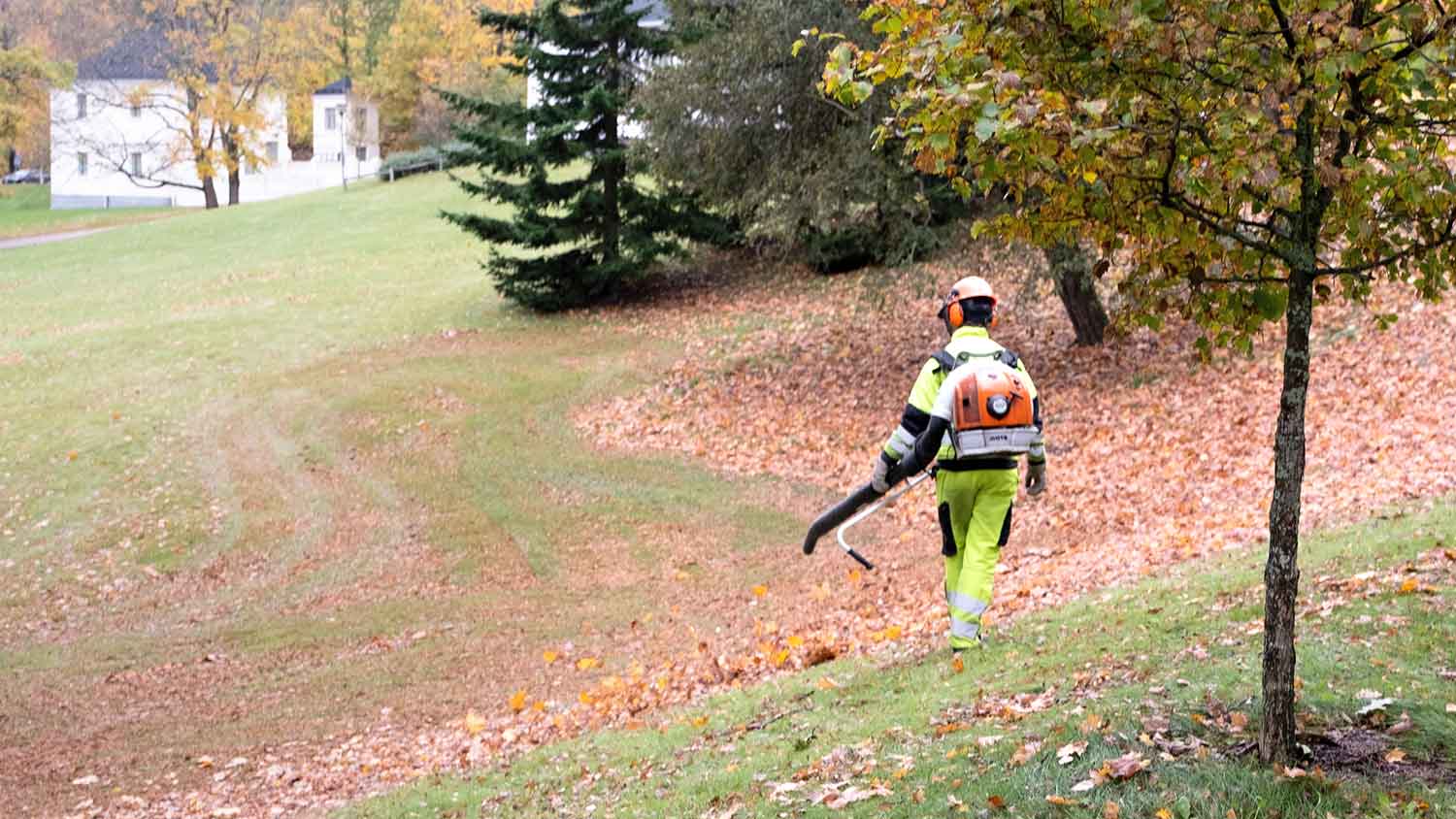
Top-rated leaf removal pros.

Get matched with top leaf removal pros in Tulia, TX

Enter your zip and get matched with up to 5 pros

Need a pro for your leaf removal project in Tulia, TX?

Select your specific project to find the pro for you.

Find Leaf removal pros in Tulia

Avatar for Family Tree
Family Tree
5.0(
8
)
Lawn Care - Maintain and Mow a LawnWaste, Junk, Building Materials and Debris - Remove and Haul

Serving Tulia, TX and surrounding areas

In business since 2019

Free estimates

Emergency services offered

"Jeff showed up to provide our estimate and was ready and willing to start the job immediately. His prices are extremely competitive, and he did a great job in trimming our tree as well as the clean up. Jeff is very nice, professional, and a pleasure to do business with. We definitely recommend him!"
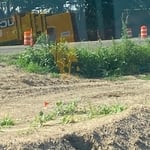
Additional Photos
Recommended by100%of homeowners
...
Showing 1-10 of 82
Leaf Removal questions, answered by experts

Embarking on a kitchen demolition comes with its share of risks to keep in mind. Think of potential encounters with asbestos, sharp objects, and power tools—not to mention the peril of structures wobbling or unexpected plumbing surprises. And, of course, you will be surrounded by dust and debris throughout the process. All of the above makes safety gear necessary, or you can consider hiring a qualified professional.

The EPA enforces hazardous waste laws and ensures people dispose of their hazardous waste responsibly. Depending on where you live, your state’s hazardous waste regulatory agency may also enforce these laws. Individually, it’s up to each household to properly dispose of their hazardous waste.

According to the Environmental Protection Agency (EPA), hazardous waste is generally classified into four main categories:

1. Characteristic Wastes: These exhibit at least one of four hazardous traits: ignitability (flammable, like gasoline), corrosivity (can rust or decompose materials, like car batteries), reactivity (unstable and can explode, like aerosol cans), or toxicity (harmful when ingested, like lead-based paint).

2. Listed Wastes: These are specific wastes from manufacturing and industrial processes that the EPA has officially designated as hazardous. They include byproducts from processes that use solvents, pesticides, and other chemicals.

3. Universal Wastes: These are commonly generated hazardous items that are subject to streamlined regulations. Examples include batteries, pesticides, mercury-containing equipment (e.g., bulbs), and some lamps.

4. Mixed Wastes: This category includes waste that contains both hazardous and radioactive components, making it subject to regulation by both the EPA and the Nuclear Regulatory Commission.
The best way to remove lead paint is by wet hand sanding and removing all dust and residue with a HEPA vacuum. Professionals may also strip and scrape lead-based paint with a paint scraper. In some cases, you may choose to have a pro encapsulate or enclose your lead-based paint surface by covering it with a sealant or a new material. You may also choose to replace the material altogether.

If your roof was constructed between 1930 and 1970, there’s a possibility that the shingles contain asbestos. If that’s the case, you should hire a professional for repairs and replacement, as they’ll have the necessary equipment to stay safe from such a hazardous and cancer-causing substance. If your home was constructed after this period, it’s unlikely that the shingles in place are toxic. In most cases, asbestos shingles are not recyclable, while standard asphalt shingles are recyclable.

The Tulia, TX homeowners’ guide to leaf removal services

From average costs to expert advice, get all the answers you need to get your job done.