





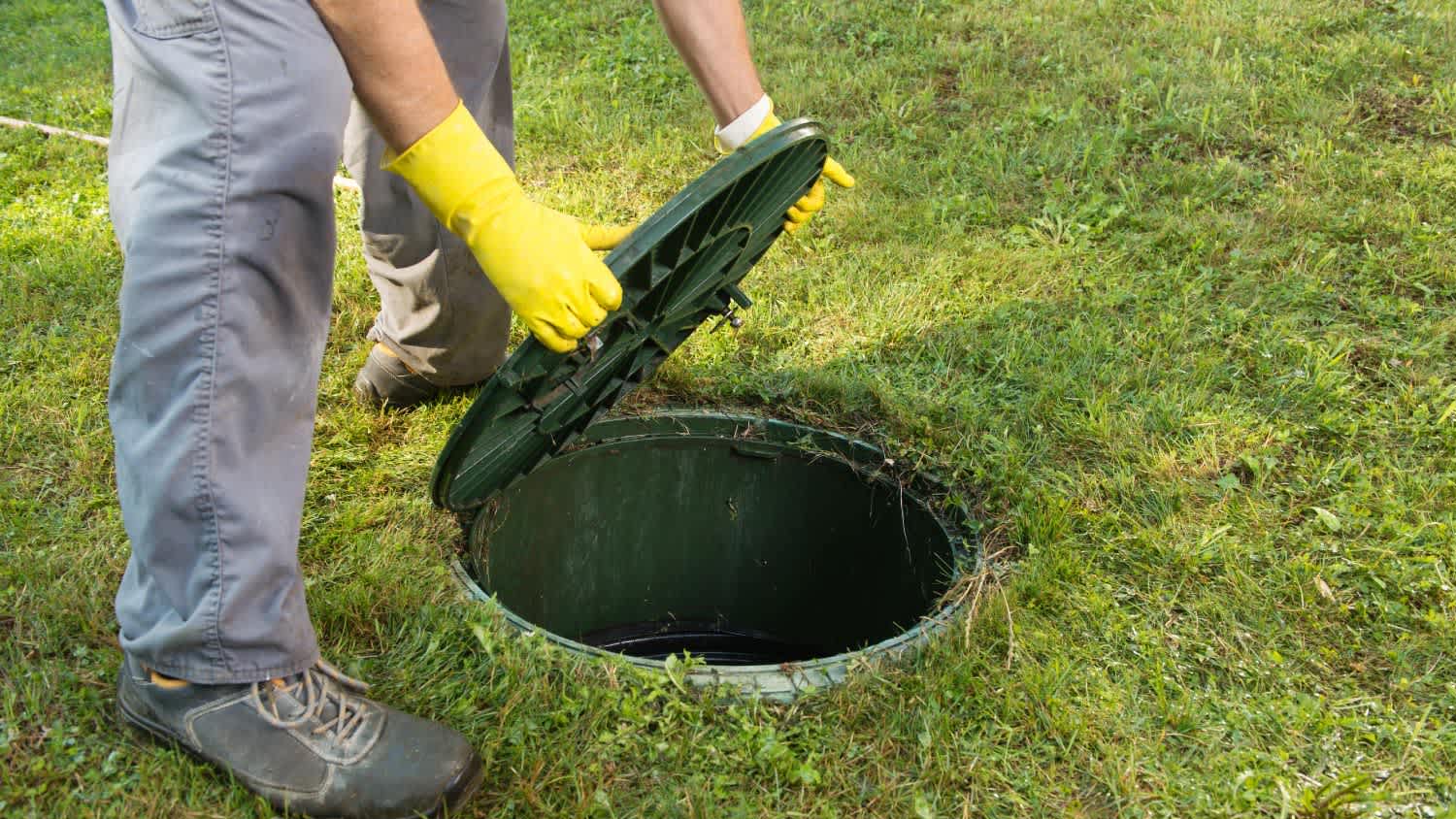
Top-rated percolation testing pros.

Get matched with top percolation testing pros in Seminole, TX

Enter your zip and get matched with up to 5 pros

Need a pro for your percolation testing project in Seminole, TX?

Select your specific project to find the pro for you.

TRUSTED BY SEMINOLE, TX HOMEOWNERS

  • Average homeowner rating star icon4.3
    Average homeowner rating
  • Verified reviews icon10
    Verified percolation testing services reviews

Find Percolation testing pros in Seminole

No results for Percolation testing pro in

Try adjusting your search criteria.
Percolation Tests questions, answered by experts

Asbestos is commonly found in certain older homes, depending on the time period in which they were built. Asbestos use in home construction began in the 1920s and peaked after World War II before being limited by legislation in the ’70s, so a house constructed in 1880 is unlikely to contain asbestos, while one built in 1950 is much more likely to. Research a home’s history to determine the time period when it was built and any renovations made since.

Yes. Gutting a house to the studs may actually be a good option if you believe a home contains toxic materials like asbestos, mold, or lead paint. However, this must be done under the supervision of licensed remediation experts.

If you suspect exposure to asbestos, prioritize seeking medical advice by informing your healthcare provider about the potential exposure with clear details about the circumstances that led to the exposure. Regular health check-ups and screenings if you work in high-risk industries or live in a home with asbestos are essential for early detection of any asbestos-related conditions. You should also consider consulting occupational health experts or legal professionals for guidance on potential next steps and preventive measures.

Since the EPA partially banned asbestos in 1989, it is no longer used to manufacture new siding in the United States; production had largely ceased by the early 1980s. Many other countries, such as Canada, Iceland, and Denmark, also have bans on asbestos. However, asbestos siding is still present in many homes built before the late 1980s. The only definitive way to know if your siding contains asbestos is to have it professionally lab-tested.

Yes, even a single, one-time exposure to asbestos can be harmful and increase the risk of future illness, including certain diseases and cancers. The level of risk depends on several factors, such as the concentration and intensity of the exposure. A small, brief exposure is less likely to cause significant damage than an exposure to a high concentration of asbestos fibers.

The likelihood of developing severe health issues increases with repeated or prolonged exposure. Individual reactions to asbestos vary; some people may have multiple exposures without harm, while others are more susceptible. Asbestos-related illnesses may not manifest for 10 to 40 years after inhalation.

Due to these risks, it is crucial to take precautions. Personal protective equipment (PPE) may not offer complete protection, as fibers can get through small gaps. The EPA recommends hiring a professional for testing and removal if you suspect the presence of asbestos in your home. If you are concerned about a potential exposure, consult your doctor.

The Seminole, TX homeowners’ guide to percolation testing services

From average costs to expert advice, get all the answers you need to get your job done.