





Asbestos can be found in many building materials, especially if the materials were installed more than 20 years ago.
Asbestos-containing materials (ACM) can include:
Acoustic ceiling tiles
Furnace insulation
Home appliances
Fire-retardant clothing
Cement pipe
Pipe insulation
Wall and ceiling insulation
Vehicle brake pads
Vinyl flooring
Sprayed acoustic ceilings
Stove insulation
Patching compounds
Textured paints
Roofing shingles
Siding
Asbestos siding can be dangerous, but it doesn't necessarily pose a health risk if it's in good condition and left undisturbed. The danger comes from inhaling asbestos fibers, which can be released if the siding is damaged, deteriorating, crumbling, or disturbed during remodeling or repairs. Exposure to these airborne fibers can cause serious, life-threatening diseases like asbestosis (lung scarring), mesothelioma (an aggressive cancer), and other lung cancers.
If your asbestos siding is intact, the general recommendation is to leave it alone. However, if it's damaged or you plan to renovate, it's crucial to handle it safely. Due to the significant health risks and the difficulty of containing the fibers, it is not recommended to perform any asbestos work yourself. Instead, you should hire a professional asbestos removal company to inspect, repair, encapsulate, or remove the material. The presence of asbestos can also negatively impact your property's value.
If you suspect exposure to asbestos, prioritize seeking medical advice by informing your healthcare provider about the potential exposure with clear details about the circumstances that led to the exposure. Regular health check-ups and screenings if you work in high-risk industries or live in a home with asbestos are essential for early detection of any asbestos-related conditions. You should also consider consulting occupational health experts or legal professionals for guidance on potential next steps and preventive measures.
The Environmental Protection Agency (EPA) banned the use of asbestos pipe insulation in certain applications in 1975. It released further bans in 1989 and 2019. While asbestos pipe insulation was common from the 1930s to 1970s, its use fell off after the 1970s due to public concern and the EPA's actions.
Even a single, one-time exposure to asbestos can be harmful and pose health risks. According to the EPA, any contact can increase the risk of developing asbestos-related diseases and certain types of cancer, although the likelihood of severe health issues increases with repeated or prolonged exposure.
The severity of a single exposure depends on factors like the duration, intensity, and concentration of the asbestos fibers. While a small amount is less likely to cause significant damage, a high concentration can lead to serious long-term lung damage. Individual reactions vary, and asbestos-related illnesses may not appear for 10 to 40 years after inhalation.
Given these risks, always take precautions around any material suspected to contain asbestos. Personal protective equipment (PPE) may not be completely effective. If you suspect asbestos is in your home, hire a professional for testing and removal. If you are worried about a potential exposure, consult your doctor.
The Seagraves, TX homeowners’ guide to percolation testing services
From average costs to expert advice, get all the answers you need to get your job done.
Dry wells are handy for anyone who’s experiencing drainage problems. But dry well installation costs can vary depending on its size, location, and volume.
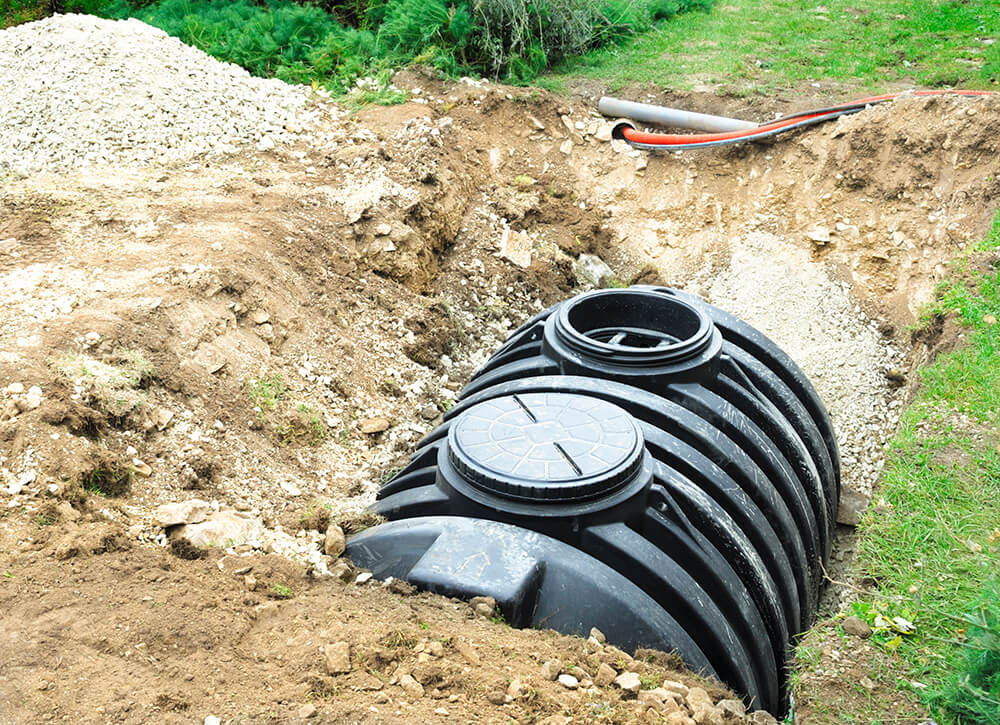
The time it takes to replace a septic tank depends on a few factors. Sometimes the fix is simple, but even if it’s not, here’s how long it takes to replace a septic tank.