







Top-rated deck staining pros.

Get matched with top deck staining pros in San Juan, TX

Enter your zip and get matched with up to 5 pros

Need a pro for your deck staining project in San Juan, TX?

Select your specific project to find the pro for you.

TRUSTED BY SAN JUAN, TX HOMEOWNERS

  • Average homeowner rating star icon4.6
    Average homeowner rating
  • Verified reviews icon57
    Verified deck staining services reviews

Find Deck staining pros in San Juan

A.A.D.G. Enterprises, LLC
4.9(
19
)
Exterior Home or Structure - Paint or Stain: LargeExterior Home or Structure - Paint or Stain: Medium

Serving San Juan, TX and surrounding areas

In business since 1980

Free estimates

Offers commercial services

"The whole team was very respectful and preformed their designated tasks to complete my project efficiently. Juan and Nestor are very skilled as carpenters and painters. Armando, the owner, was on site to translate, advise and negotiate. I was very impressed."
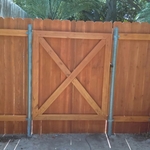
Six ft wooden fence
Wooden Fence
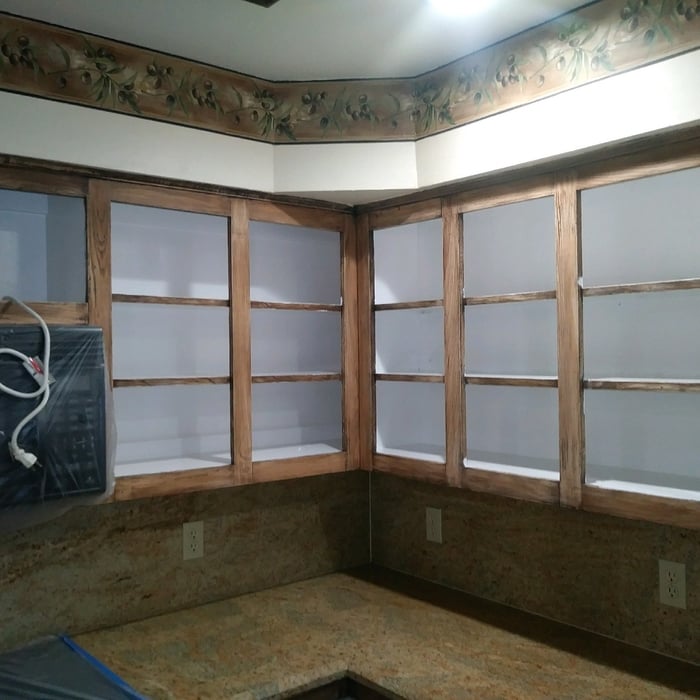
Kitchen Painting
Kitchen Painting
Kitchen Painting

+13

Response time1 day
Response rate94%
Recommended by75%of homeowners
...
Showing 1-10 of 161
Deck Staining questions, answered by experts

You may be wondering: can you paint cement? Fortunately, the answer is yes.

To change the color of your cinder blocks, you have two options. You can either paint them or stain them. Either way, you'll be able to choose from a wide range of color options. Some popular colors for cinder block painting include off-white shades and gray tones, which add a modern spin to the traditional gray blocks.

Limewash and whitewash are two techniques used to give brick a light, matte finish, but they differ in composition, application, and permanence. The best choice depends on your aesthetic goals and the specific surface.

Composition

  • Limewash: A natural and environmentally friendly option made from limestone, water, and sometimes pigments. It is breathable and soaks into porous surfaces like brick.

  • Whitewash: Traditionally made from lime, water, chalk, and binders, but a similar look can be achieved with watered-down white paint. It is paint-based and sits on top of the surface.

Appearance and Finish

  • Limewash: Provides a natural, textured appearance that allows the brick's character to show through. It offers a more traditional finish.
  • Whitewash: Creates a softer, more opaque finish, often used for a rustic or shabby-chic style.

Application and Permanence

  • Limewash: Is semi-permanent and can be removed, making it a good choice if you might want to change the look in the future. It requires more skill to apply and cannot be used on previously painted brick.

  • Whitewash: Is a more permanent solution. It is more forgiving to apply and can be used on painted brick. However, because it sits on the surface, it can trap moisture.

Ultimately, if you want a breathable, natural, and reversible finish for unpainted brick, limewash is a great option. If you need a more permanent, opaque coating that can be applied over painted surfaces, whitewash is the better choice. Whitewashing may also be more economical, costing approximately $1.40 to $4.20 per square foot.

Deciding whether to stain or paint a pool deck depends on your budget, desired look, and the deck's material. Both options can work. Paint offers a wider variety of color options, provides excellent water resistance, and can last longer. However, it requires a primer and can eventually fade or peel. Stain is often cheaper, easier to apply, and penetrates the wood for a more natural look and longer-lasting finish. It also has great water resistance. The downsides are fewer color options and the need for a sealant. The choice can also depend on the deck material; for example, staining may be a better option for concrete as it bonds well and lasts longer than paint.

Wood stains last anywhere from two to five years, depending on exposure to the elements, your local climate, the type of stain, and the surface it’s on. For instance, vertical surfaces last longer than horizontal surfaces. Some types of woods, like dense hardwoods, will require a recoat yearly, as they are too dense for the stain to absorb. In any event, apply a recoat every 2 to 4 years. As for storage, a can of unopened stain can last up to 5 years, though results may vary.

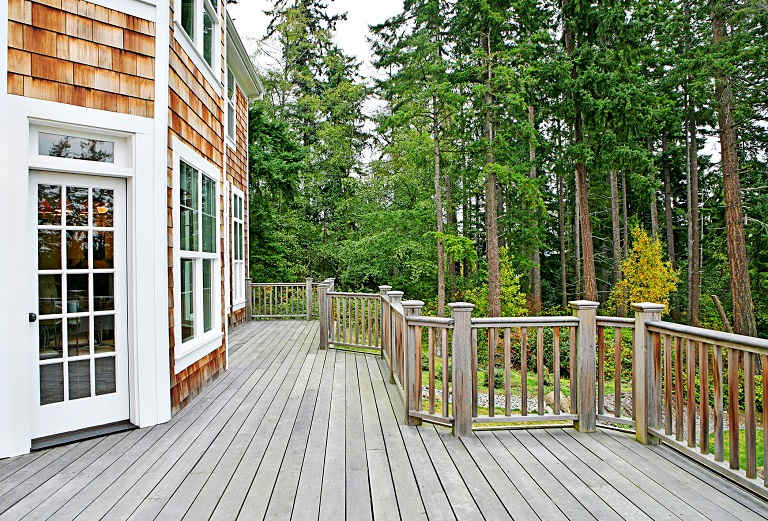
Apply a wood stain or sealant to properly maintain a wood deck railing and keep it looking new. Sealants protect wood from moisture and weathering. Regularly inspect the railing for loose screws, damaged balusters, and other signs of wear to make timely repairs. Routinely clean the railing using mild soap, water, and a soft bristle brush.

The San Juan, TX homeowners’ guide to deck staining services

From average costs to expert advice, get all the answers you need to get your job done.