

Top-rated excavation pros.

Best excavation pros near Pine Island, TX

Enter your zip and get matched with up to 5 pros

Need a pro for your excavation project in Pine Island, TX?

Select your specific project to find the pro for you.

TRUSTED BY PINE ISLAND, TX HOMEOWNERS

  • Average homeowner rating star icon5
    Average homeowner rating
  • Verified reviews icon17
    Verified excavation services reviews

Top-Rated Excavation pros in Pine Island - Updated Nov 2026

Avatar for Jeremy's Blacktop Service and Land Clearing
Jeremy's Blacktop Service and Land Clearing
4.8(
17
)
Building Site - Preparation and ClearingExcavation - Major Grading or Resloping

Serving Pine Island, TX and surrounding areas

Approved

In business since 2007

Free estimates

Offers commercial services

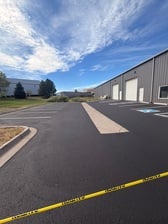
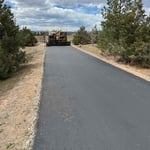
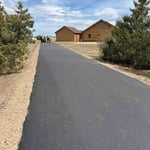
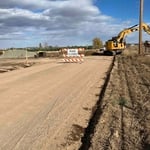
3rd Generation with 55+ years of experience! \n \nDiscounts for Veterans, Churches. \n \nWe are committed to excellence in every aspect of our business. We uphold a standard of integrity bound by fairness, honesty, and personal responsibility. Our distinction is the quality of service we bring to our customers. Accurate knowledge of our trade combined with ability is what makes us true professionals. Above all, we are watchful of our customers' interests, and make their concerns the basis of our business.

New edition
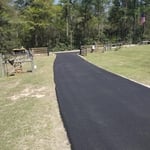
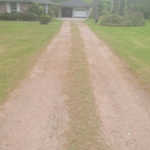
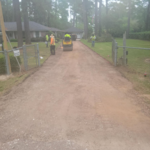
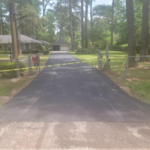
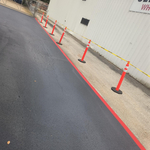
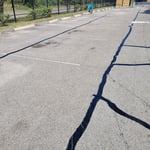
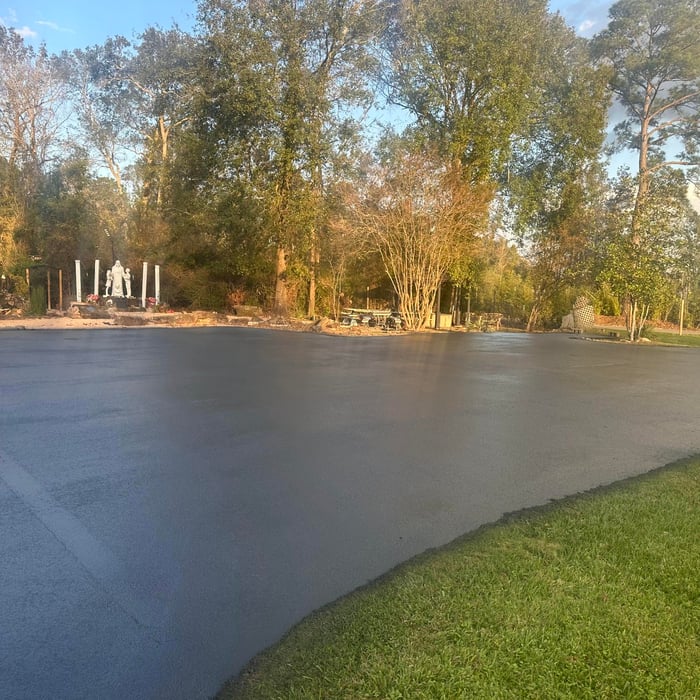
Before and after
Before and after
Before and after
Patch& asphalt sealcoat

+21

3 neighbors recently requested a quote

Avatar for The Gonzalez landscape
The Gonzalez landscape
5.0(
1
)
Landscape - Minor Grading or Resloping

Serving Pine Island, TX and surrounding areas

Approved

Free estimates

Small jobs welcome

Credit card accepted

Hello from the Gonzalez Landscape Company! 🌿 Since 2005, we've been dedicated to transforming yards and commercial properties into beautiful outdoor spaces. We absolutely love taking care of your landscaping needs!

36 neighbors recently requested a quote

...
Showing 1-10 of 175
Excavating FAQs, answered by experts

No, you typically cannot use metal detectors to find your sewer line. Most sewer lines are made of non-metallic materials such as PVC, clay, or cast iron, which are not detectable by standard metal detectors. Metal detectors are designed to locate metallic objects, so they won't be effective for identifying the path of a non-metallic sewer line. To locate your sewer line accurately, it's best to use other methods.

The best way to protect tree roots is to avoid the roots entirely by excavating outside the root radius of the tree. For nearby projects, it’s a good idea to construct a temporary retaining wall. But that’s not always possible, depending on the project and the root system. In these cases, consider using alternative equipment like an auger to tunnel under the ground.

Remember, tree roots can damage nearby cement foundations as they grow. If a tree is close enough to interfere with large excavations, it may be better to remove the tree than risk future problems.

There are several different factors that influence how long it takes to excavate. For a foundation, it could take anywhere from three days to three weeks. It can take even longer if you face weather-related delays or an inaccessible site that’s riddled with boulders and rough terrain. It may also take longer if you have clay soil, which is more difficult to dig.

Trenching and boring are two distinct methods for installing underground utilities. Trenching involves digging a channel using equipment like an excavator, trencher, backhoe, or shovel. While it is a simpler process, it causes significant disruption to the surface, landscaping, and surrounding ecosystems.

Boring, also known as directional boring, is a less invasive alternative that uses a drill to create a tunnel for utility lines without disturbing the surface. This method is more precise and is ideal for installations that need to go underneath buildings, roads, or bodies of water. Although boring is less disruptive, it is generally more expensive than trenching.

Septic drain lines (or leach lines) are typically buried between 18 and 36 inches underground, and should be at least 6 inches below the surface. These pipes are perforated and surrounded by filtering materials like sand or gravel. Burying the lines at this depth helps minimize odors and allows bacteria and other biological processes in the soil to effectively treat the wastewater. Burying lines too close to the surface can cause issues unless the soil is very compact and stable.

The Pine Island, TX homeowners’ guide to excavation services

From average costs to expert advice, get all the answers you need to get your job done.