

Top-rated excavation pros.

Get matched with top excavation pros in Prairie View, TX

Enter your zip and get matched with up to 5 pros

Need a pro for your excavation project in Prairie View, TX?

Select your specific project to find the pro for you.

TRUSTED BY PRAIRIE VIEW, TX HOMEOWNERS

  • Average homeowner rating star icon5
    Average homeowner rating
  • Verified reviews icon17
    Verified excavation services reviews

Find Excavation pros in Prairie View

Avatar for Jeremy's Blacktop Service and Land Clearing
Jeremy's Blacktop Service and Land Clearing
4.8(
17
)
Excavation - Major Grading or ReslopingBuilding Site - Preparation and Clearing

Serving Prairie View, TX and surrounding areas

Approved

In business since 2007

Free estimates

Offers commercial services

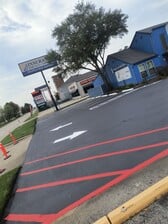
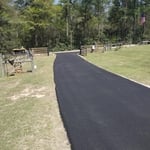
3rd Generation with 55+ years of experience!\n\nDiscounts for Veterans, Churches.\n\nWe are committed to excellence in every aspect of our business. We uphold a standard of integrity bound by fairness, honesty, and personal responsibility. Our distinction is the quality of service we bring to our customers. Accurate knowledge of our trade combined with ability is what makes us true professionals. Above all, we are watchful of our customers' interests, and make their concerns the basis of our business.

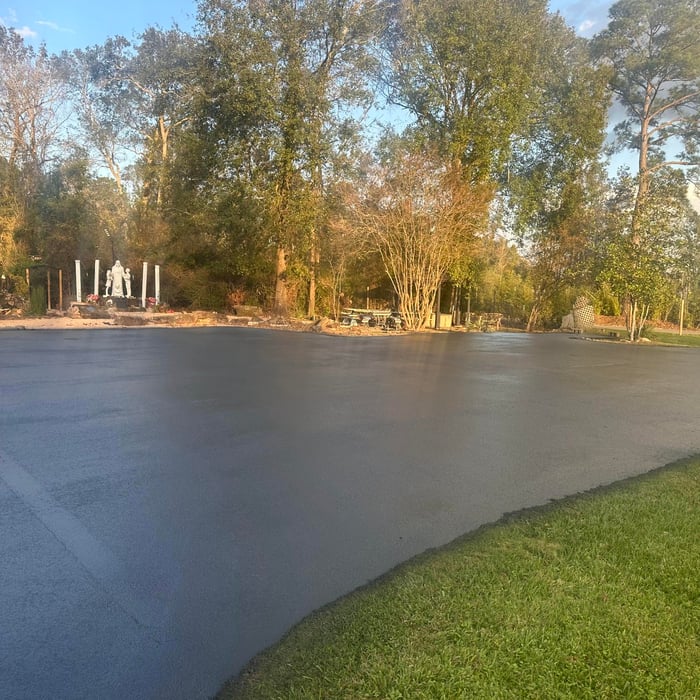
New edition
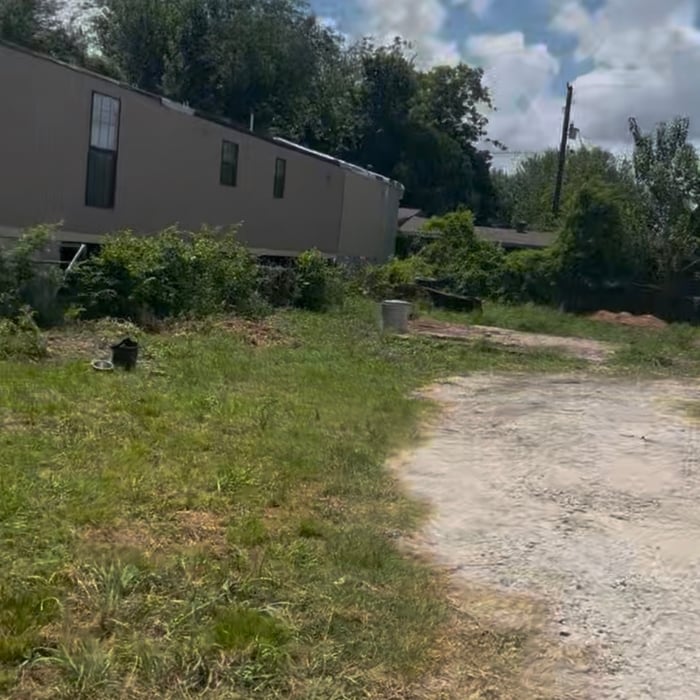
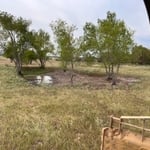
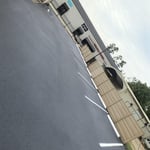
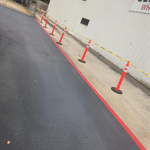
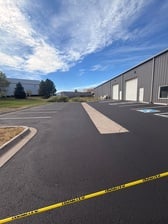
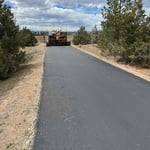
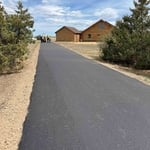
Before and after
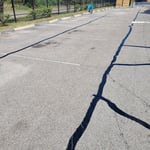
Before and after
Before and after
Patch& asphalt sealcoat

+21

4 neighbors recently requested a quote

...
Showing 1-10 of 238
Excavating questions, answered by experts

Trenching and boring are two distinct methods for installing underground utilities. Trenching involves digging a channel using equipment like an excavator, trencher, backhoe, or shovel. While it is a simpler process, it causes significant disruption to the surface, landscaping, and surrounding ecosystems.

Boring, also known as directional boring, is a less invasive alternative that uses a drill to create a tunnel for utility lines without disturbing the surface. This method is more precise and is ideal for installations that need to go underneath buildings, roads, or bodies of water. Although boring is less disruptive, it is generally more expensive than trenching.

Hardscaping often requires preparation of the ground in the area where the feature is being installed. This can include digging, compacting, and leveling the soil, ensuring adequate drainage, and removing any existing plants. The extent of preparation needed will depend on the type and size of the hardscaping feature being installed.

Septic drain lines (or leach lines) are typically buried between 18 and 36 inches underground, and should be at least 6 inches below the surface. These pipes are perforated and surrounded by filtering materials like sand or gravel. Burying the lines at this depth helps minimize odors and allows bacteria and other biological processes in the soil to effectively treat the wastewater. Burying lines too close to the surface can cause issues unless the soil is very compact and stable.

Your contractor should handle dust control during the project. It's best to speak with your contractor beforehand to check if they plan to cover your furniture, protect your vents, or use fans to redirect dust. Eliminating drywall dust is a particularly large challenge during construction, so always take this into account during your planning phase.

The physical constraints of hand-drilling a well limit the depth you can achieve. Manually digging with picks and shovels may only lead to shallow wells of up to 60 feet in depth. To reach greater depths, you need more specialized equipment. The diameter of your well and the tools you’re using will determine how far down you can dig.

The Prairie View, TX homeowners’ guide to excavation services

From average costs to expert advice, get all the answers you need to get your job done.