





Top-rated retaining wall installation pros.

Get matched with top retaining wall installation pros in Panhandle, TX

Enter your zip and get matched with up to 5 pros

Need a pro for your retaining wall installation project in Panhandle, TX?

Select your specific project to find the pro for you.

Find Retaining wall installation pros in Panhandle

Avatar for BRW Landscaping
BRW Landscaping
5.0(
7
)
Retaining Wall - Install

Serving Panhandle, TX and surrounding areas

Approved

Super Service Award Winner

In business since 2023

Free estimates

Small jobs welcome

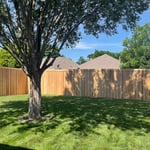
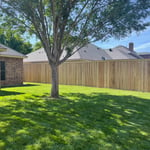
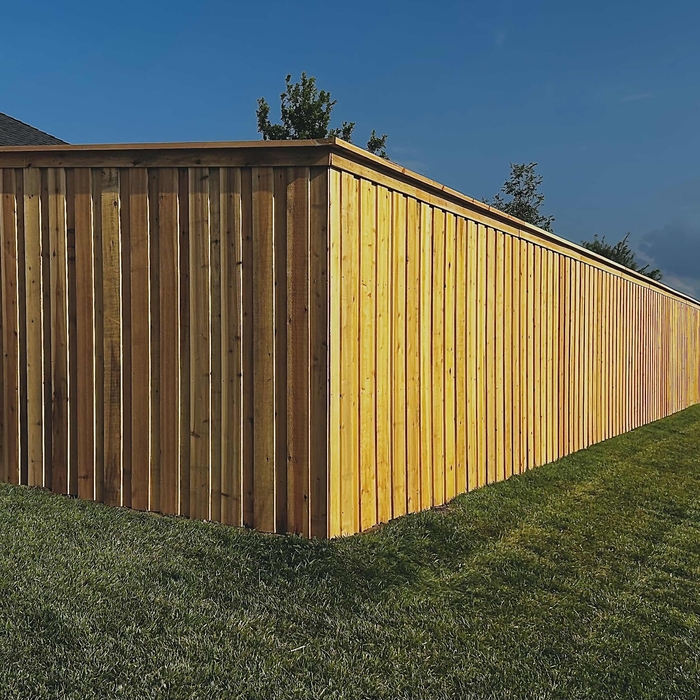
"I was quoted a reasonable price. All materials high quality, and as you can tell by the pictures installed better than most if not all fences in my neighborhood. The job turned out better than expected."
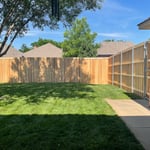
Fence Install
Fence Install
Fence Install
Fence Install
Fence Install

+9

Response time1 day
4 neighbors recently requested a quote
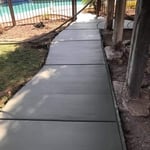
Showing 1-10 of 22
Retaining Wall Installers questions, answered by experts

Generally, a railroad tie retaining wall consisting of a single line of ties should be between 3 and 4 feet tall—and the height often tops out at around 6 feet. You can go taller, but you may need additional footings and reinforcements, including a second layer of railroad ties to support the added weight of the soil it’s holding back.

Most railroad tie retaining walls have a life span of 20 to 30 years, though you may need to replace your wall sooner if it’s repeatedly exposed to heavy rain, runoff, and excess moisture. Railroad ties are typically treated with creosote, which makes them much more durable than untreated wood. Though they last longer, they don’t last forever. For the most longevity, make sure your retaining wall has a sturdy base and steel reinforcements. You should also install drainage to direct water away from the wall.

Poured concrete is often the cheapest material for a retaining wall, costing around $6 to $8 per square foot. Other budget-friendly options include vinyl and landscaping timbers, which range from $10 to $15 per square foot; landscaping timbers are particularly well-suited for DIY projects. Untreated timber and railroad ties are a step up in price, starting at $15 to $25 per square foot. Natural stones can also be a cost-effective choice if you can source them from your own property, but they can be expensive to purchase. High-end materials like steel are typically the most expensive but offer superior durability and aesthetics.

Yes, you can use cinder blocks for many purposes, including retaining walls, foundations, garage walls, and fences. Building a cinder block retaining wall costs between $60 and $200 per linear foot, including materials and professional labor. For a 30-foot-long retaining wall, the cost ranges from $1,800 to $6,000.

Railroad ties can be good for retaining walls, but it depends on the area. They have a desirable rustic look and are durable. The problem is they’re treated with creosote, a preservative the EPA says poses a risk to humans and wildlife. Over time, the preservative seeps out of the wood and into the ground. Many areas have banned the use of creosote-treated wood on residential properties. If your area does allow it, never use railroad ties near an edible garden or drinking water source. Instead, use wood that’s treated with an EPA-approved preservative or a wood-alternative composite material.

The Panhandle, TX homeowners’ guide to retaining wall installation services

From average costs to expert advice, get all the answers you need to get your job done.