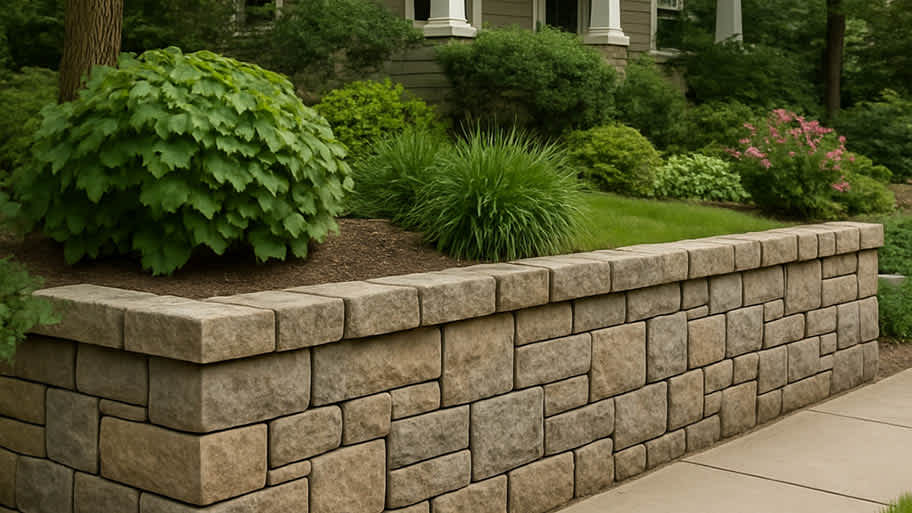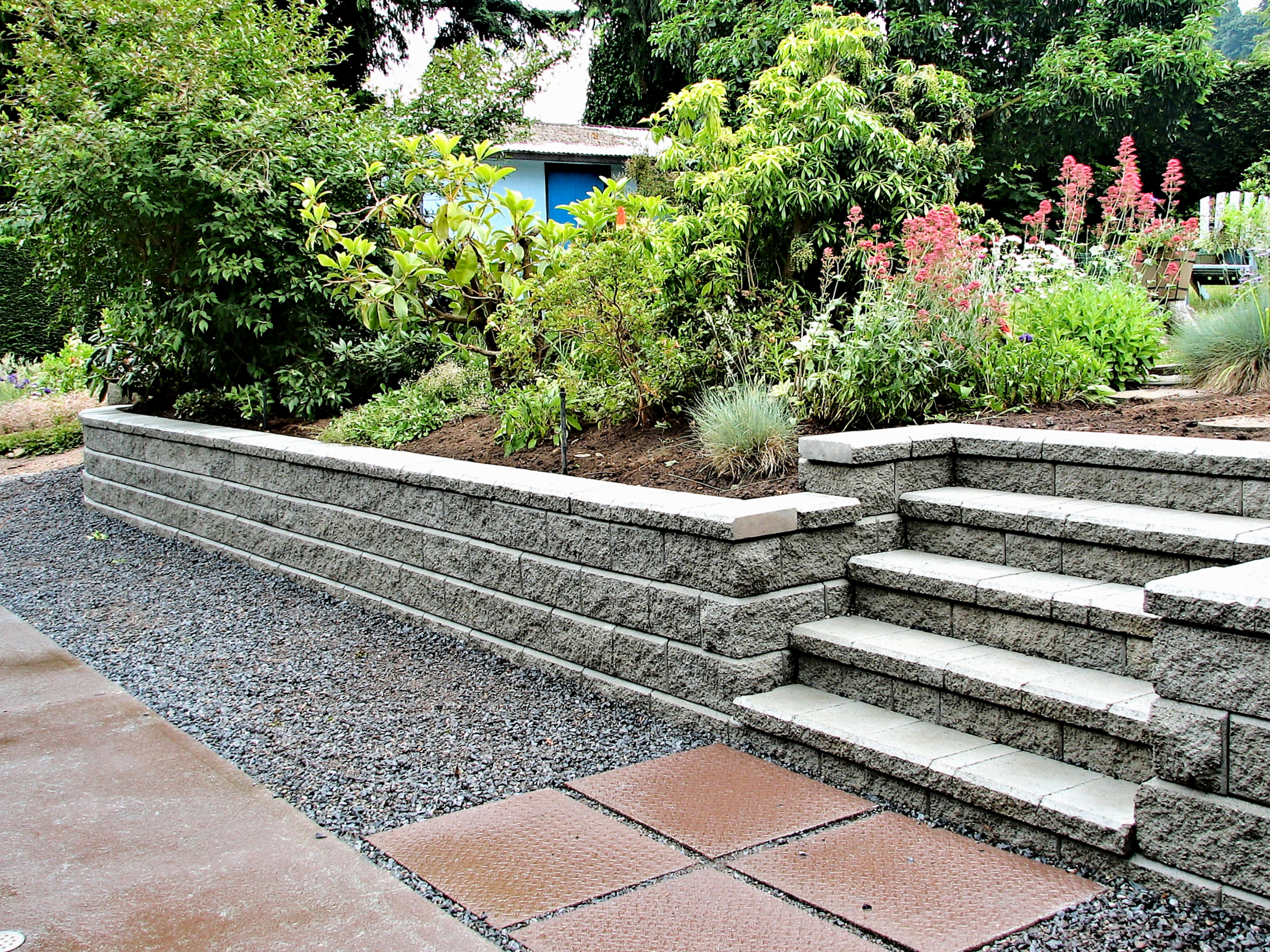




Top-rated retaining wall installation pros.

Best retaining wall installation pros near Mclean, TX

Enter your zip and get matched with up to 5 pros

Need a pro for your retaining wall installation project in Mclean, TX?

Select your specific project to find the pro for you.

Top-Rated Retaining wall installation pros in Mclean - Updated Nov 2026

Avatar for BRW Landscaping
BRW Landscaping
5.0(
7
)
Retaining Wall - Install

Serving Mclean, TX and surrounding areas

Approved

Super Service Award Winner

In business since 2023

Free estimates

Small jobs welcome

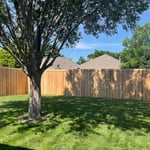
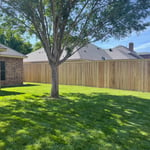
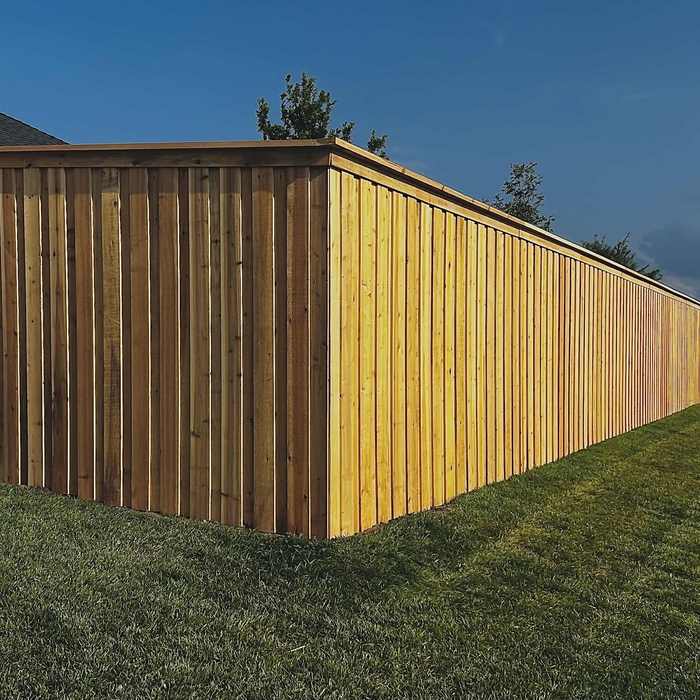
"I was quoted a reasonable price. All materials high quality, and as you can tell by the pictures installed better than most if not all fences in my neighborhood. The job turned out better than expected."
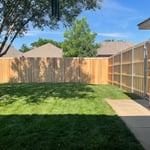
Fence Install
Fence Install
Fence Install
Fence Install
Fence Install

+9

Response time1 day
5 neighbors recently requested a quote

Retaining Wall Installers FAQs, answered by experts

Sand and gravel are two suitable options for filling behind a retaining wall. If you’re building your own retaining wall, you’ll complete this part of the process—known as backfilling—after you finish laying the blocks. Make sure not to skip it—otherwise, you could wind up with drainage issues, which can cause your retaining wall to collapse.

Generally, a railroad tie retaining wall consisting of a single line of ties should be between 3 and 4 feet tall—and the height often tops out at around 6 feet. You can go taller, but you may need additional footings and reinforcements, including a second layer of railroad ties to support the added weight of the soil it’s holding back.

To maintain the integrity of your landscape, a retaining wall must be installed if the slope of the angle exceeds 35 degrees. The lean of the wall must be 1 inch per 12 inches in height to disperse the weight of the soil uniformly and guarantee the correct drainage of the soil.

Failure to compact the soil during construction is the most common cause of leaning retaining walls. In addition, poor drainage can lead to excessive water pressure behind a retaining wall, pushing against it until it begins to move forward away from the soil it is holding back.

Small retaining walls still require a foundation of some kind, typically a concrete footing. This helps to ensure the wall is structurally sound and prevents the ground from shifting over time, especially during those winter freeze/thaw cycles. The footing helps spread the weight of the wall and the load it carries over a larger area of the ground, thus assisting with stability. This is true of small retaining walls, larger rock garden walls, and the like. 

The Mclean, TX homeowners’ guide to retaining wall installation services

From average costs to expert advice, get all the answers you need to get your job done.