









Top-rated lead testing and removal specialists.

Best lead testing and removal specialists near New Waverly, TX

Enter your zip and get matched with up to 5 pros

Need a pro for your lead testing and removal project in New Waverly, TX?

Select your specific project to find the pro for you.

Top-Rated Lead testing and removal specialists in New Waverly - Updated Nov 2026

Avatar for PuroClean of Conroe
PuroClean of Conroe
4.4(
7
)
Toxic Lead - AbatementToxic Lead - Testing

Serving New Waverly, TX and surrounding areas

In business since 2019

Free estimates

Emergency services offered

"Service was 10/10. They were out at our house quickly and got to work immediately. Staff was friendly and clean. The team treated us like family and we felt like we trusted them to take great care of us."
Additional Photos
Additional Photos
Additional Photos
Additional Photos
Additional Photos

+8

Response time9 hrs
Response rate100%
Recommended by85%of homeowners
Lead Testing and Removal FAQs, answered by experts

Lead testing in residential properties involves collecting samples from paint, dust, soil, or plumbing and analyzing them in certified laboratories to accurately identify lead levels.

You can sell a house with lead paint, but there are several requirements. If you are aware that lead paint exists anywhere in the home, you must disclose that to potential buyers. Required home inspections will often uncover lead paint, especially for older houses where lead paint may still be a problem. If you have taken steps to encapsulate lead, you should provide buyers with full documentation of the project so it won’t cause any problems later on.

According to the Environmental Protection Agency (EPA), hazardous waste is generally classified into four main categories:

1. Characteristic Wastes: These exhibit at least one of four hazardous traits: ignitability (flammable, like gasoline), corrosivity (can rust or decompose materials, like car batteries), reactivity (unstable and can explode, like aerosol cans), or toxicity (harmful when ingested, like lead-based paint).

2. Listed Wastes: These are specific wastes from manufacturing and industrial processes that the EPA has officially designated as hazardous. They include byproducts from processes that use solvents, pesticides, and other chemicals.

3. Universal Wastes: These are commonly generated hazardous items that are subject to streamlined regulations. Examples include batteries, pesticides, mercury-containing equipment (e.g., bulbs), and some lamps.

4. Mixed Wastes: This category includes waste that contains both hazardous and radioactive components, making it subject to regulation by both the EPA and the Nuclear Regulatory Commission.

When a surface that contains lead dust is disturbed, the dust can float about in the air for roughly an hour before settling again. Since you cannot see the dust, it is important always to wear protective gear when working with any materials that may contain lead paint and to keep children, pets, and others away from the area for as long as possible

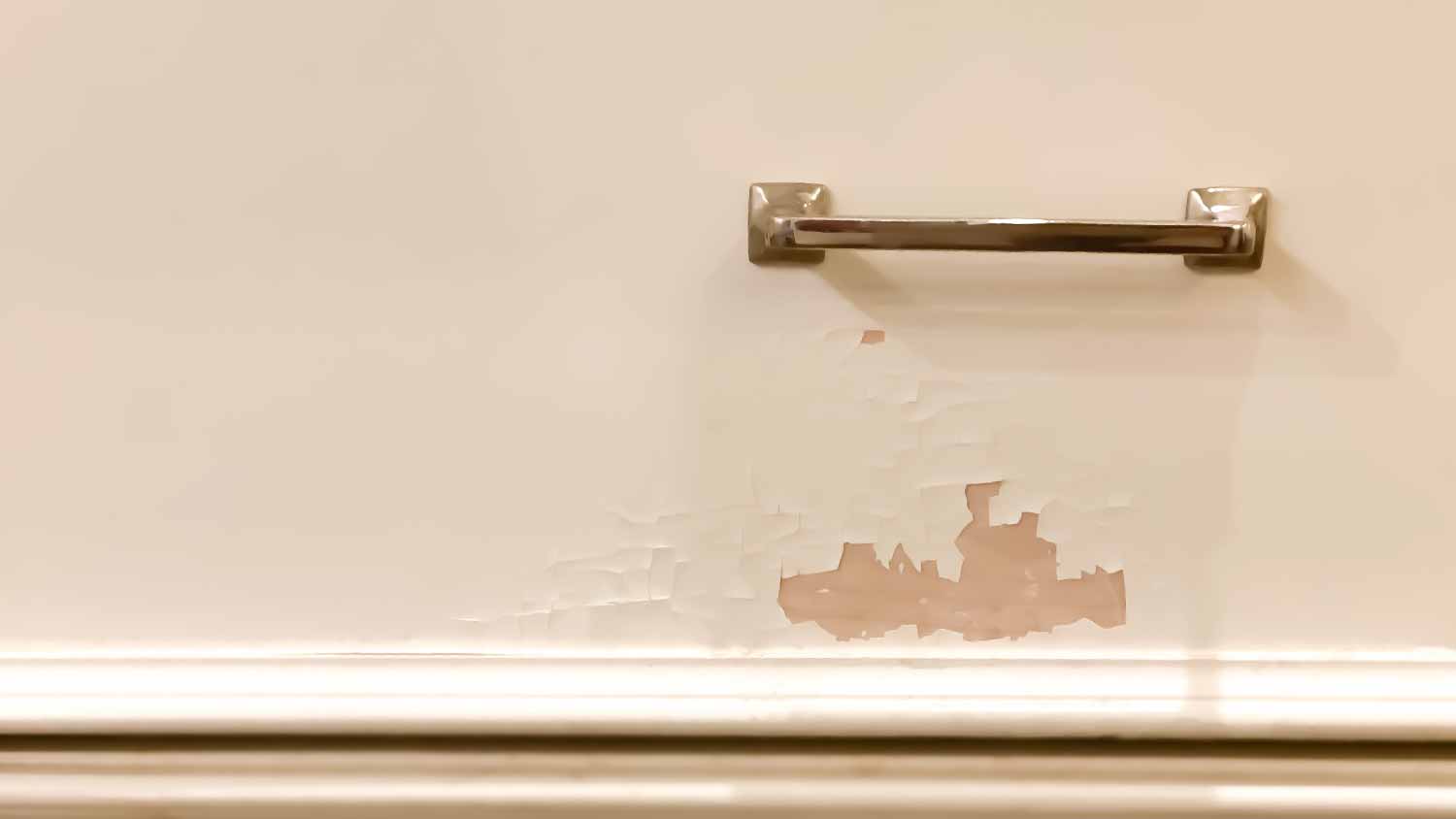
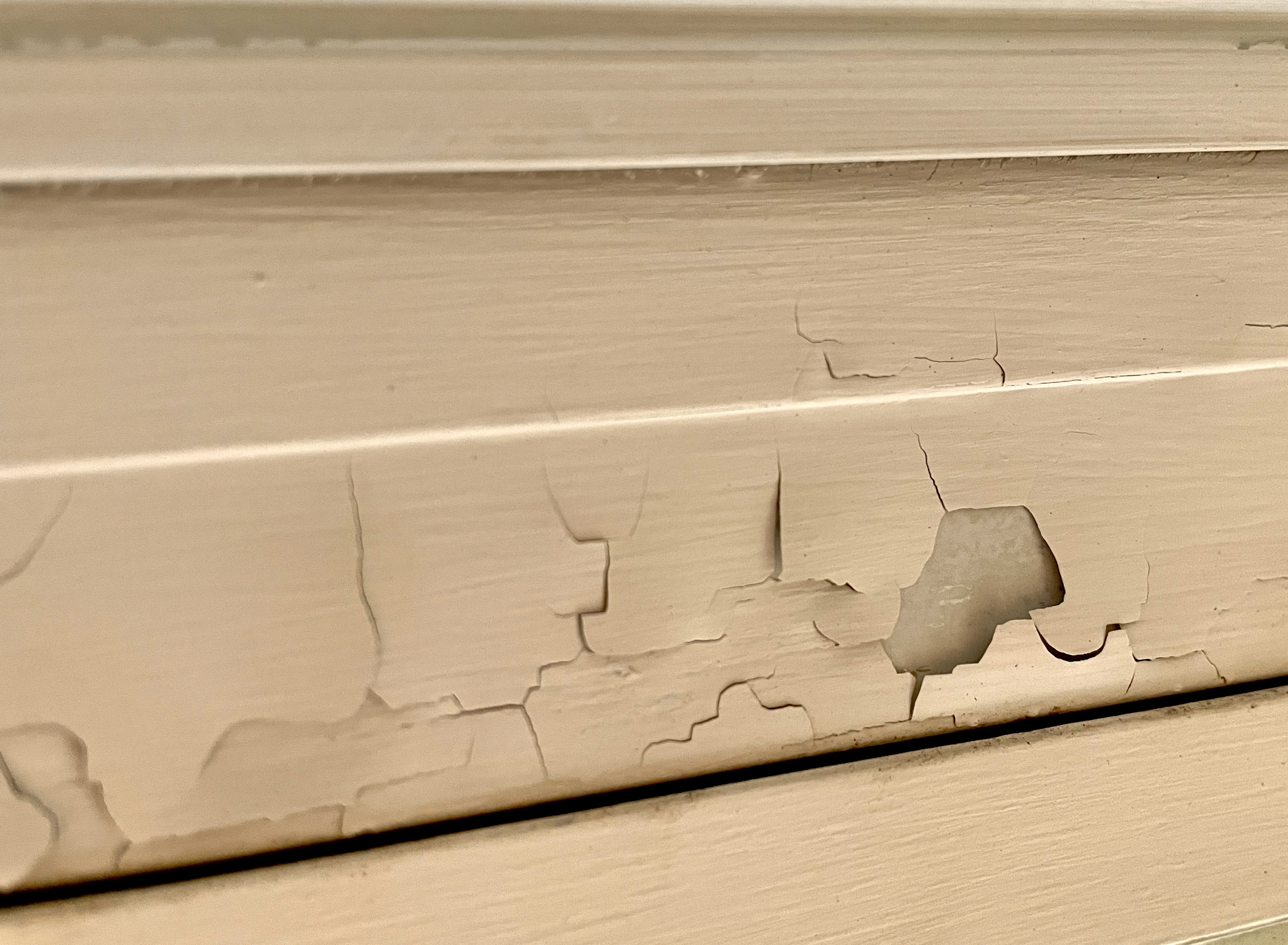
Lead toxicity comes from inhaling lead or consuming it. Before the 1980s, when the government banned lead from consumer use, it could be found in paint, plumbing, pipes, ceramics, and even gasoline. Lead paint is toxic for the same reason lead itself is toxic, which is why lead poisoning from paint presents the same as lead poisoning from water or food sources, with a slight increase in respiratory symptoms vs. digestive symptoms. Lead paint is most dangerous when it’s old and peeling, cracking, or otherwise disturbed. This increases the concentration in the air and, therefore, in breathable air. 

The New Waverly, TX homeowners’ guide to lead testing and removal services

From average costs to expert advice, get all the answers you need to get your job done.