





Top-rated carpet installation pros.

Get matched with top carpet installation pros in Mission, TX

Enter your zip and get matched with up to 5 pros

Need a pro for your carpet installation project in Mission, TX?

Select your specific project to find the pro for you.

Find Carpet installation pros in Mission

Avatar for Reliable Carpet Cleaning
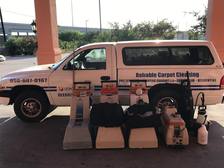
Reliable Carpet Cleaning
4.7(
38
)
Carpets or Rugs - Clean at Home

Serving Mission, TX and surrounding areas

In business since 2006

Free estimates

Emergency services offered

"Israel the technician was extremely courteous. He made sure that I was satisfied every inch of the way. He explained his guarantee before he left, leaving my carpets looking like new. I will use this company again with no questions asked."
Area Rug
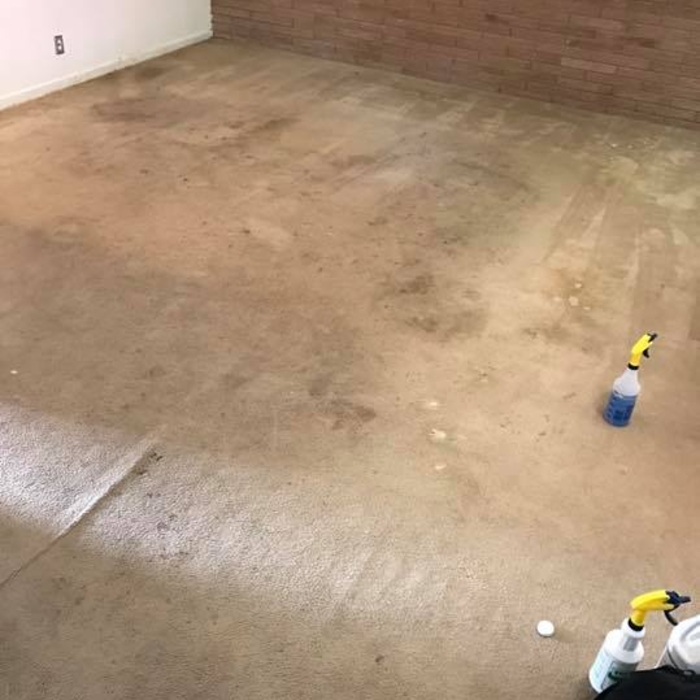
Half Before and Aftert Photo
After Photo of the area rug
Before and after photo in 1 picture
Before

+18

Response time12 hrs
Recommended by97%of homeowners
Showing 1-10 of 35
Carpet Installation questions, answered by experts

Carpet density refers to how closely together the fibers of a carpet are stitched into the carpet backing, with values ranging from 1,000 to 7,000. A carpet density value of 3,000 or higher is considered best for most homes, especially in high-traffic areas, such as a living room or dining room. If you’re comparing two carpets made of the same material, a higher carpet density can indicate better durability and longevity. However, carpet density is only one of many factors that can help you determine a carpet’s quality.

Installing carpet over carpet may negatively impact the resale value of your home. While it offers a quick fix, potential buyers may view it as a temporary solution rather than a long-term investment in quality flooring. Properly installed and maintained flooring adds value to a home, so removing the existing carpet and installing new flooring may be a better option to attract prospective buyers and maximize resale value.

When installing carpeting on your steps, start at the top and work your way to the bottom. That way, you can easily control the carpet and create a better seal. This approach prevents the carpet from bunching up or creating wrinkles as you work. You’ll have better leverage over it as gravity helps guide it down each step.

If the stairs are already covered in carpet, you will need to remove the old carpet and possibly the carpet pad. Any damage to the stairs like cracks, loose boards, or creaky treads may also need to be repaired. You may also want to sand and refinish or paint wood stairs before installing a carpet runner.

While it is possible to install carpet yourself, it is a challenging DIY project that requires precise measurement, proper cutting skills, and knowledge of correct installation techniques. The process involves multiple steps, including removing old flooring, installing underlayment and tack strips, and stretching the carpet to prevent wrinkles, which can take several days to complete.

Before starting, consider these factors:

  • Warranty: Many manufacturers' warranties are voided if the carpet is not installed by a professional.

  • Tools: You will need to buy or rent specialized equipment like a knee kicker, carpet stretcher, and seam roller.

  • Complexity: DIY installation is most suitable for simple, straightforward rooms. Projects involving stairs or floor vents are significantly more difficult.

  • Cost: While you can save on labor, the cost of tools plus the risk of expensive mistakes—which may require re-installation—can make hiring a professional more cost-effective in the long run.

Given the potential for errors, voided warranties, and the need for special tools, hiring a local carpet installer is often recommended to ensure the job is done correctly and safely.

The Mission, TX homeowners’ guide to carpet installation

From average costs to expert advice, get all the answers you need to get your job done.