


AAMTEX MMAINTENANCE SOLUTIONS LLC
Plaster - InstallPlaster - Install - For BusinessPlaster - Repair+1 more
Serving Mathis, TX and surrounding areas
Approved
"The job was done on time and budget"
35 neighbors recently requested a quote

*The Angi rating for Plaster Repair companies in Mathis, TX is a rating based on verified reviews from our community of homeowners who have used these pros to meet their Plaster Repair needs.
*The HomeAdvisor rating for Plaster Repair companies in Mathis, TX is a rating based on verified reviews from our community of homeowners who have used these pros to meet their Plaster Repair needs.
Last update on March 02, 2026
Serving Mathis, TX and surrounding areas
Approved
"The job was done on time and budget"

Serving Mathis, TX and surrounding areas
In business since 2015
Free estimates
Credit card accepted
"they were friendly. polite and professional"


+6

Serving Mathis, TX and surrounding areas
In business since 2015
Free estimates
Credit card accepted
"I was impressed with the professionalism of Old Man Joe's top-tier staff. Fidencio showed excellent attention to detail and performed a speedy installation of my new windows. I'm very happy with the results and will certainly seek out their help with future home-improvement tasks. I highly recommend them."

Serving Mathis, TX and surrounding areas
In business since 2024
Free estimates
Emergency services offered
"Very fast and professional informative as well left my house like new very happy with the service provided"

Serving Mathis, TX and surrounding areas
In business since 1995
Free estimates
Credit card accepted
"After trying to find the right contractor we came across Mr Jose who was highly recommended. Mr Jose and his subs were punctual and professional. His crews always cleaned up and disposed of their waste daily. Mr Jose was ready to answer any questions we had and was a delight to have work for us. Would definitely hire again."


+62
Serving Mathis, TX and surrounding areas
In business since 2001
Free estimates
Professional Lath & Plaster, Inc., is your expert for traditional stucco and all masonry work you need. Our years of experience and craftsmanship set us apart from the rest. Call us today!

Serving Mathis, TX and surrounding areas
In business since 2015
Free estimates
Warranties offered
"They took special care to ensure that my home remained as clean as possible during the process. They were extremely professional and very speedy!"

Serving Mathis, TX and surrounding areas
Serving Mathis, TX and surrounding areas
In business since 1995
Free estimates
Credit card accepted
Carlos Construction brings over 15 years of experience to your projects. We guarantee our work and pride ourselves on establishing repeat customers. We are your one stop shop. Call us for a free quote today!
Serving Mathis, TX and surrounding areas
In business since 1974
Free estimates
Family owned and operated, Cruz Construction, is your local leader in handyman, carpentry and most other home improvement projects. Our professionals have over 40 years of experience and will make sure you are 100% satisfied with our work! Please call us today for a quote.
From average costs to expert advice, get all the answers you need to get your job done.

Plaster repair costs are determined by the size and type of damage. Discover why some fixes you can DIY and why some require a pro’s help.

The cost of plastering walls and ceilings depends on the room size and ceiling height. Our tips can help you estimate an accurate cost.
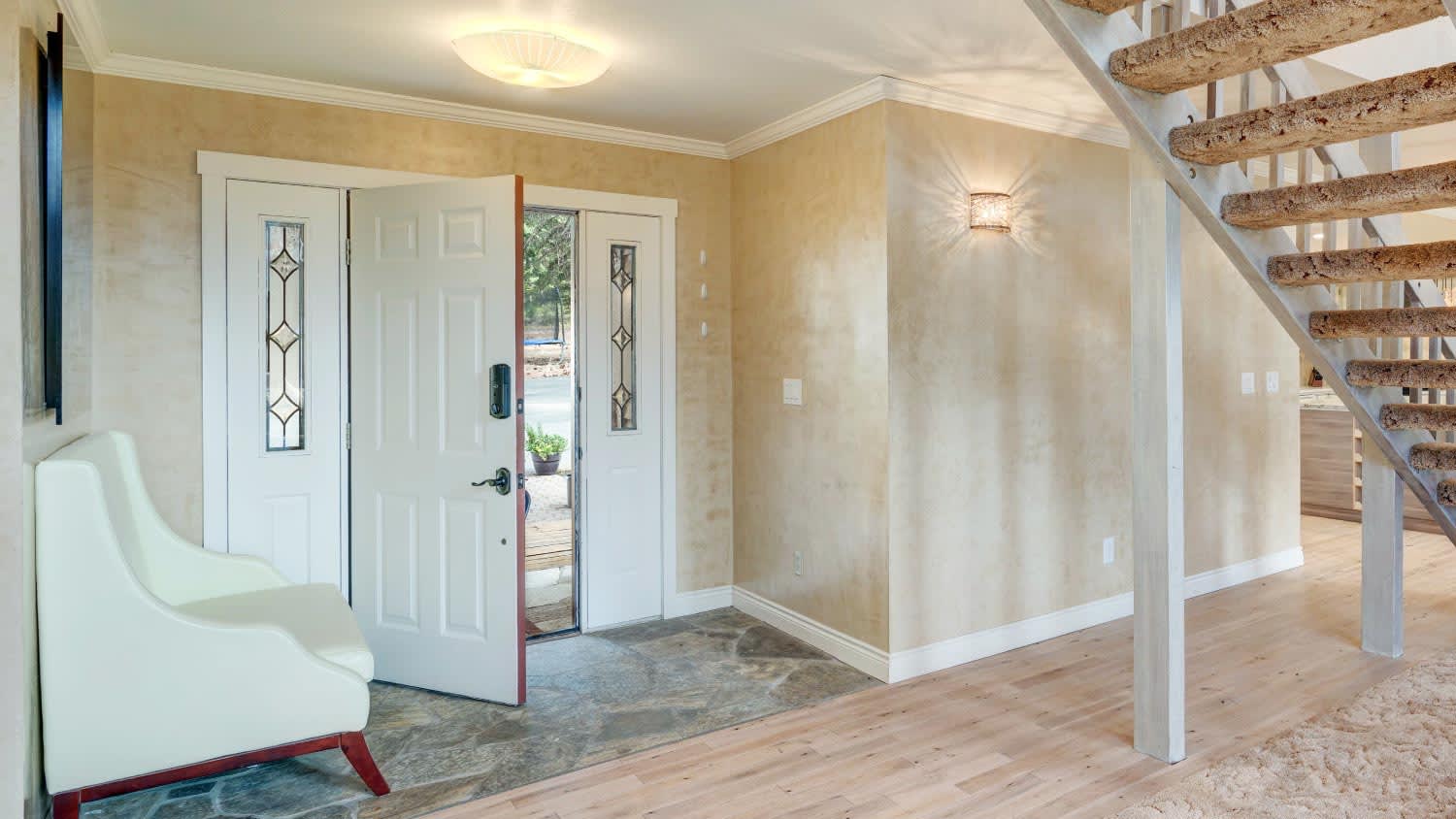
Venetian plaster can add depth and texture to your aesthetic. Learn how much Venetian plaster costs based on factors like square footage and whether you hire a pro to help.
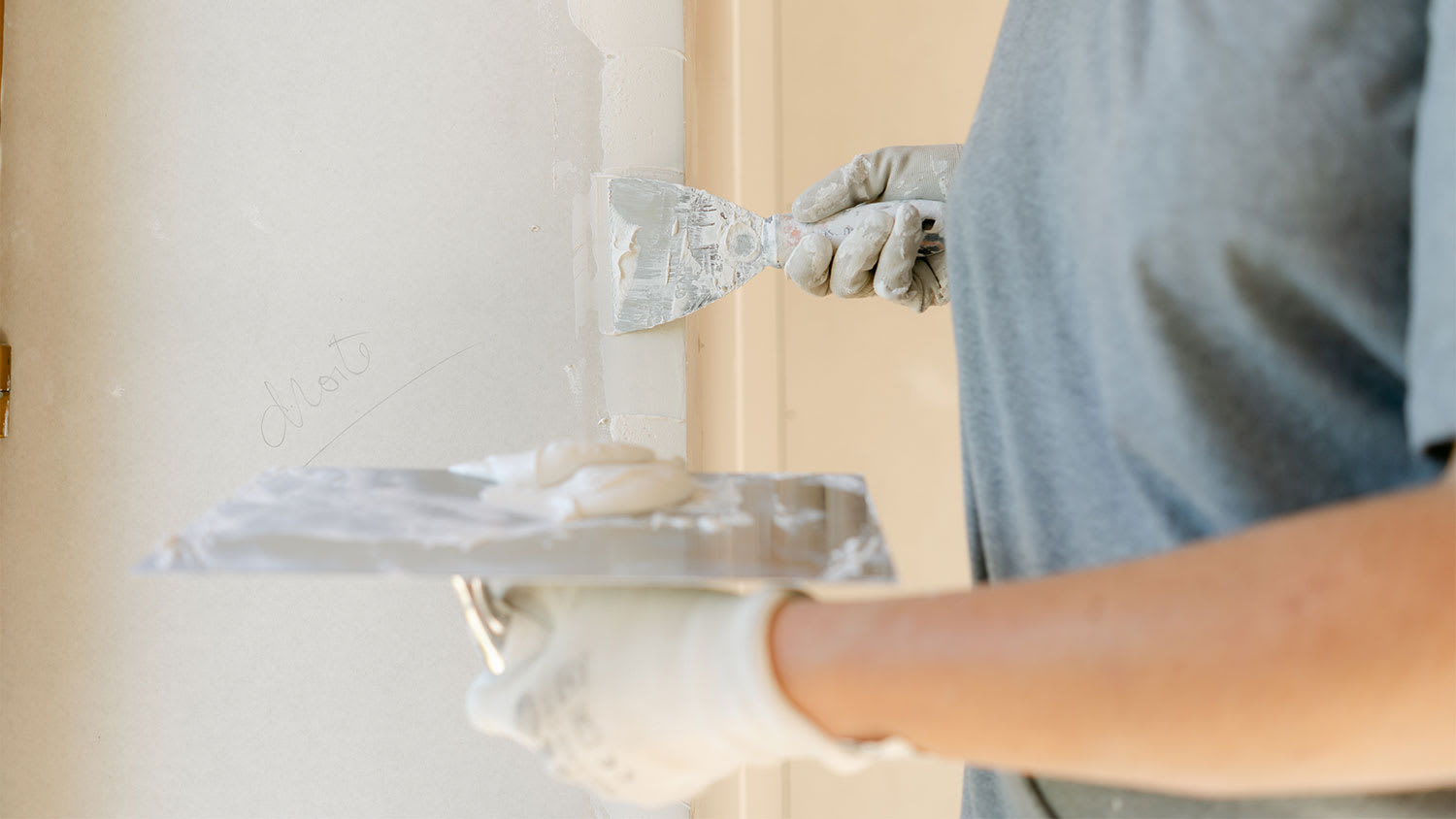
Finding a qualified plaster repair pro? Learn how to hire the right specialist, what questions to ask, and what to expect for your project.
Planning a plaster repair project? Learn about the process, average costs to expect, and how to hire the right local pro to restore your walls.

You can find plaster walls in a lot of older homes. What’s behind these walls—whether that’s lath or calcimine—can have an impact on how long they last. Finding out the age of your house can help you determine what you’re dealing with.