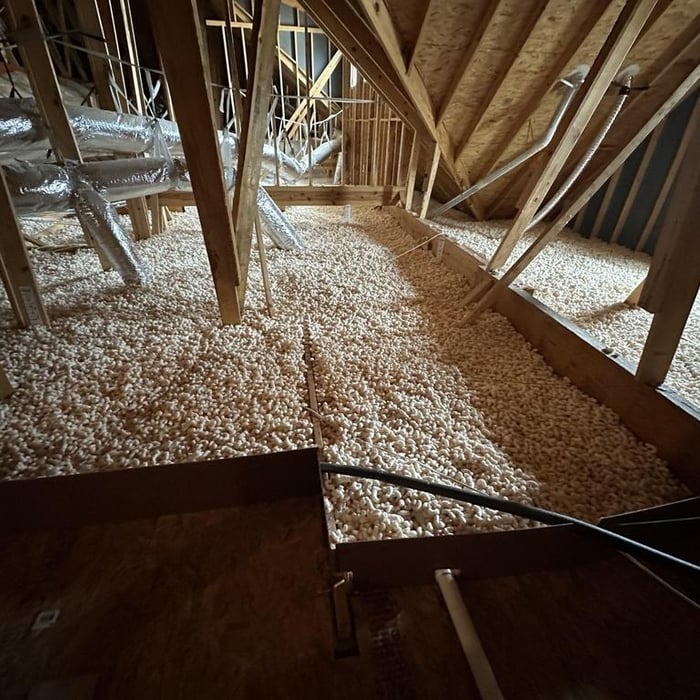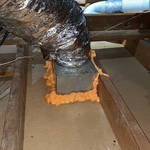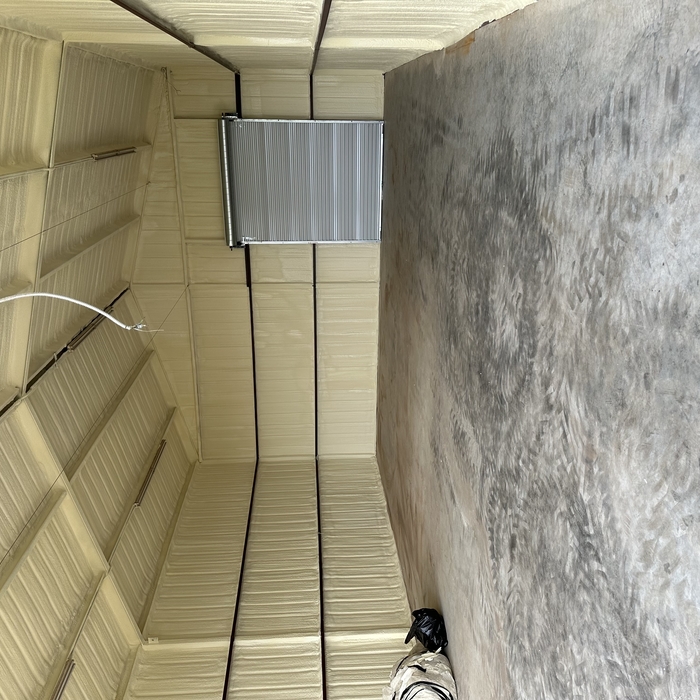





Spray foam insulation doesn’t do well around heat sources. Therefore, You can use spray foam insulation to seal around HVAC boots that penetrate through the drywalls or around where wrapped ducts connect to the boots, but we don’t recommend using spray foam insulation to encapsulate your air ducts. Spray foam insulation on air ducts is also less effective compared to duct wraps.
Traditional clapboard siding, particularly with panels made from wood, is not a significant insulator on its own. However, you can keep your home cooler in summer and warmer with "insulated clapboard siding," which is a type of vinyl clapboard siding with a built-in foam insulation. Consult a local siding contractor to determine whether insulated siding is right for your home.
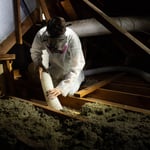
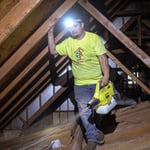
It is usually possible to install insulation yourself, but it’s often better to hire an insulation professional. An experienced insulation pro can determine which type of insulation is best for your space and the R-value get the most value and comfort in your home. Certain types of insulation can cause skin, eye, and lung irritation, and a professional will have the equipment necessary to keep themselves safe and limit the effect on your indoor air quality after the installation. Certain types of insulation—like blown-in and loose-fill insulation—demand a professional for proper functionality and safe installation.
Yes, you can install insulation behind drywall yourself, but only if your walls are not finished. If your studs are exposed, installing fiberglass insulation in roll or batt form is very straightforward and just requires a few tools and some safety equipment. If your walls are already finished and you’re looking to add insulation, it’s better to hire a professional, as you’ll likely need blown-in insulation, which can be dangerous to work with and a challenge to get into the proper areas in your wall voids.
In some areas, insulation companies require a special license, while some states only require them to hold general contractor licenses. Some municipalities may not mandate any license, although you should always ensure a contractor is fully insured. You can use Angi’s license lookup tool to confirm whether or not an insulation contractor you’re considering holds the necessary license for your area. You can also contact the company for information regarding licenses, certifications, and insurance.
The Marlin, TX homeowners’ guide to insulation services
From average costs to expert advice, get all the answers you need to get your job done.
Discover the average injection foam insulation cost, key price factors, and ways to save. Get transparent estimates to plan your home insulation project confidently.
Removing old insulation may be necessary for upgrading your insulation. Keep reading to see if you should remove old insulation before adding new insulation.
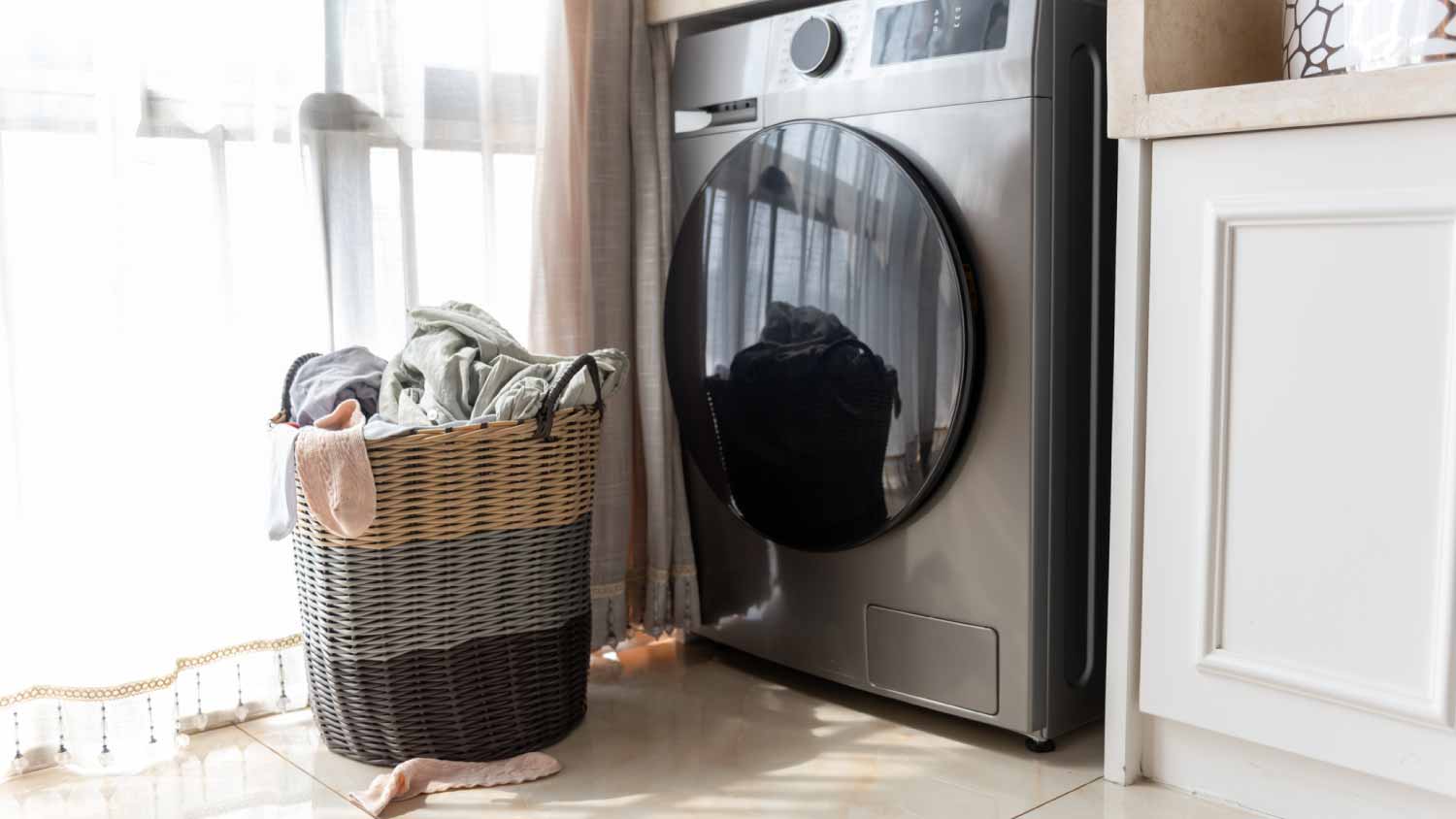
Learn how to decide if your home needs dryer vent insulation to protect your vent from drafts and moisture that can make your energy usage less efficient. Poorly ventilated dryer vents also increase mold risks!