






Top-rated structural engineers.

Get matched with top structural engineers in Lovelady, TX

Enter your zip and get matched with up to 5 pros

Need a pro for your structural engineering project in Lovelady, TX?

Select your specific project to find the pro for you.

Find Structural engineers in Lovelady

Avatar for PJM Structural
PJM Structural
4.9(
28
)

Serving Lovelady, TX and surrounding areas

Approved

In business since 2023

Free estimates

Emergency services offered

"I had an urgent request to get a permit across the line and Pedro was on his A-game and helped me within hours. Very professional, well documented, etc. Other structural engineers I hired only gave me headaches. I'd use Pedro again any day. Thank you very much, and glad to be in business with you!"
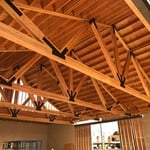
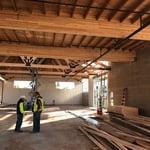
New Restaurant Building
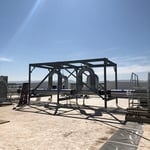
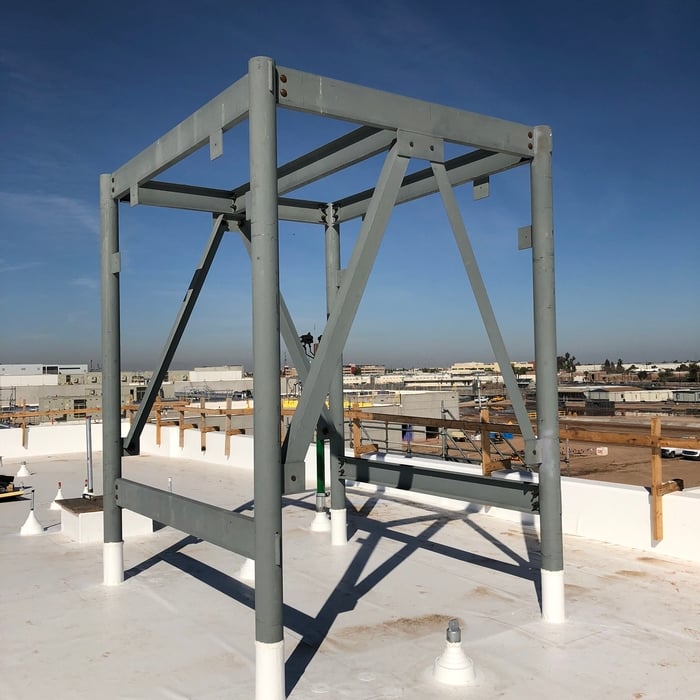
Pipe support frame
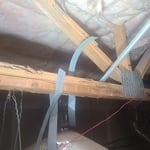
Truss webs and bottom chord damage
Interior Space
Pipe support frame

+15

Response time4 hrs
Response rate86%
Recommended by100%of homeowners
Avatar for The Basement Kings
The Basement Kings
4.8(
16
)

Serving Lovelady, TX and surrounding areas

In business since 2004

Emergency services offered

Credit card accepted

"The basement king was a pleasure to work with. His knowledge is unmatched in the Texas area for sure. I received multiple quotes and talked to multiple companies and he was the best. He's passionate about his work and the manner in which it's done. If he says something, it happens. An added benefit was their cleanliness. Usually a job site of this size and complexity is a mess, but not with the basement kings. 10/10!"
Recommended by92%of homeowners
Structural Engineering questions, answered by experts

Cathedral ceilings make a statement in your home, but at the cost of your attic space. Normal attics are wide open, which allows warm air to move around and exit your home. Because of this, cathedral ceilings make your home less energy efficient and put your ceiling at risk of venting issues if you’re not careful. They also reduce your attic storage space, potentially cause an echo, and even make it harder to change a light bulb.

The depth of any foundation style depends on your climate and how deep the frost line is, as building code requires that the footers of a foundation—which are built into a monolithic slab—sit at least a foot below the frost line. At the southern tip of Florida, for example, a monolithic slab foundation would only need to sit 12 inches under the soil at the widest parts. On some parts of the Canadian border, the frost line is 100 inches, which would mean a minimum of 112 inches, which is prohibitively deep for a monolithic slab.

A freestanding brick wall that's only one brick thick can usually stand six to eight feet high. If you need a higher wall, it should be at least two bricks thick for adequate stability, and it might require a footing to support the added weight. Additionally, some areas have regulations and codes dictating how high a brick wall can be, so check with local code enforcers to ensure your proposed wall complies with any regulations.

Yes. Foundation walls are always load-bearing.

A 4-inch-thick concrete slab can support around 4,000 pounds per square foot if a contractor reinforces the slab with rebar, while that same slab without reinforcements will support closer to 1,000 pounds. For the purposes of a patio, 4 inches in thickness without reinforcement should suffice unless you’re installing heavy kitchen equipment or a hot tub on it. In those cases, reinforcing your slab and sticking with 4 inches of thickness should provide plenty of strength.

The Lovelady, TX homeowners’ guide to structural engineering services

From average costs to expert advice, get all the answers you need to get your job done.

What do you need done? We’ll find top pros.
  • 🌱 "Mow a small front yard"
  • 🛠 "Fix a leaking pipe under the sink"
  • 🏠 "Repair shingles on an asphalt roof"