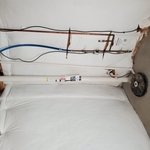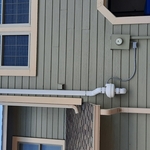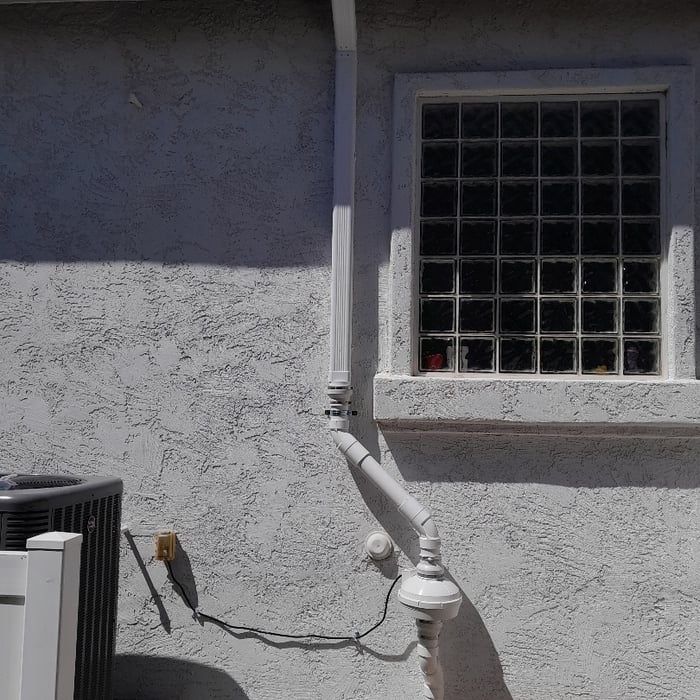








Top-rated radon detection and reduction specialists.

Get matched with top radon detection and reduction specialists in Lipan, TX

Enter your zip and get matched with up to 5 pros

Need a pro for your radon detection and reduction project in Lipan, TX?

Select your specific project to find the pro for you.

Find Radon detection and reduction specialists in Lipan

House Facts Home Inspection Group
4.8(
2
)

Serving Lipan, TX and surrounding areas

In business since 2012

Free estimates

Credit card accepted

"Top notch service and top notch customer service and communication. We hired them for an inspection in Eastland County for a home we are planning to buy. They documented the entire inspection with high quality photographs and provided a complete report with description of all findings. The day after the inspection report was delivered, they also called to make sure we received it and ask if we had any questions. We couldn't be more pleased, as we can enter into our home buying process now with in depth information about all aspects of our potential home."
Recommended by100%of homeowners
Radon Detection and Reduction questions, answered by experts

Radon enters your home when warm air begins to rise and exits through the roof, creating a vacuum that pulls cooler air from under the foundation. Part of that air is radon, which is an invisible, odorless gas that develops naturally when radioactive particles are deep within the ground. Those particles usually come from decaying matter in soil and rocks.

No, air purifiers are not an effective way to reduce or remove radon. Radon is a radioactive, inert gas that cannot be filtered by standard air purifiers, which are designed to capture particulates like dust and mold. While an air purifier can improve indoor air quality by removing other pollutants, it should not be relied upon for radon. The only effective solution for high radon levels is a dedicated radon mitigation system.

Your radon mitigation system may be loud because it’s time to replace it. Any sounds are usually from the inline fan that helps create the vacuum and resulting airflow. If you hear a new, loud mechanical or humming noise from your radon fan, it might be time to replace it. Most fans used in radon mitigation systems last up to 10 years, but may need to be replaced sooner.

The fan that pulls the radon out of the air needs to run continuously, so you may see an increase in your electric bill once you install the mitigation system. Additionally, you may see an increase in your heating or cooling bills, as the fan can cause some loss of hot or cool air.

You'll need to test your home for radon after installing the mitigation system, then again every two years. If radon remains elevated, contact a licensed radon professional, either the contractor who installed the system or a different one, and have them evaluate the system. They may need to make some changes to improve its effectiveness and performance.

The Lipan, TX homeowners’ guide to radon detection and reduction services

From average costs to expert advice, get all the answers you need to get your job done.

What do you need done? We’ll find top pros.
  • 🌱 "Mow a small front yard"
  • 🛠 "Fix a leaking pipe under the sink"
  • 🏠 "Repair shingles on an asphalt roof"