

Top-rated electricians.

Get matched with top electricians in Ivanhoe, TX

Enter your zip and get matched with up to 5 pros

Need a pro for your electrical service project in Ivanhoe, TX?

Select your specific project to find the pro for you.

TRUSTED BY IVANHOE, TX HOMEOWNERS

  • Average homeowner rating star icon4
    Average homeowner rating
  • Verified reviews icon27
    Verified electrical services reviews

Find Electricians in Ivanhoe

Avatar for Corrigan, LLC
Corrigan, LLC
4.8(
25
)
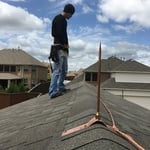
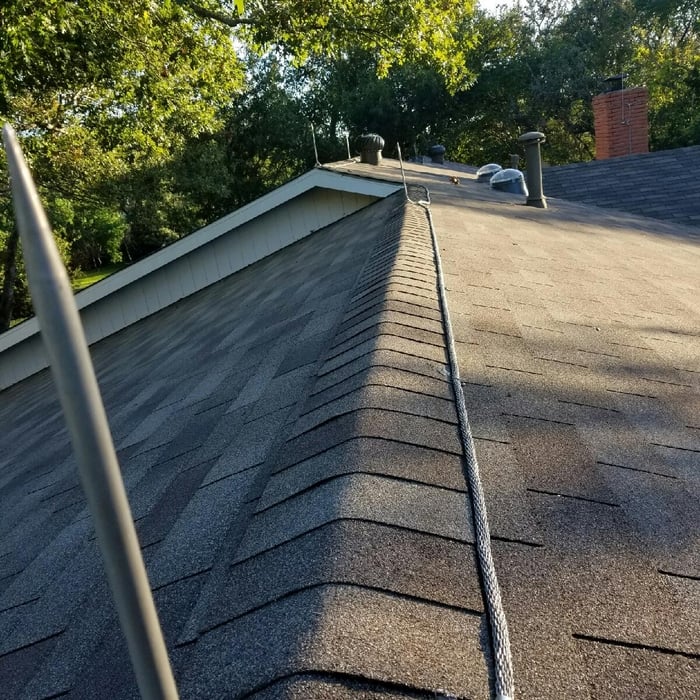
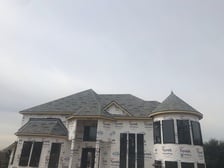
Lightning Protection - Install or Repair

Serving Ivanhoe, TX and surrounding areas

Approved

In business since 1954

Free estimates

Emergency services offered

"John Corrigan and his sons are outstanding! They did outstanding work installing our lighting rods at a reasonable price. They were prompt, very professional and honest. I would call them again and recommend them to anyone."
Shingle roof air terminal
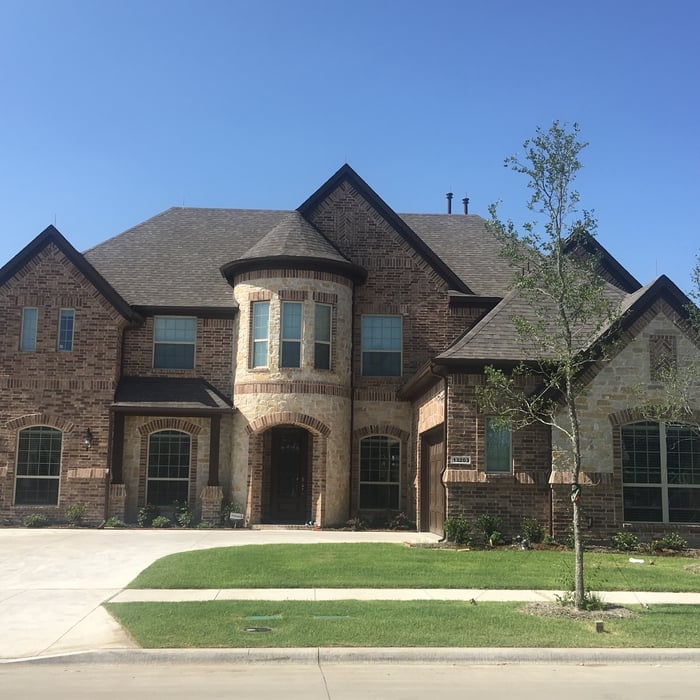
Residential 1
Residential Spanish tile
Horse stable
Residential 2

+23

Response time1 day
19 neighbors recently requested a quote

Recommended by100%of homeowners
Avatar for Tri-State Water, Power & Air
Tri-State Water, Power & Air
5.0(
5
)
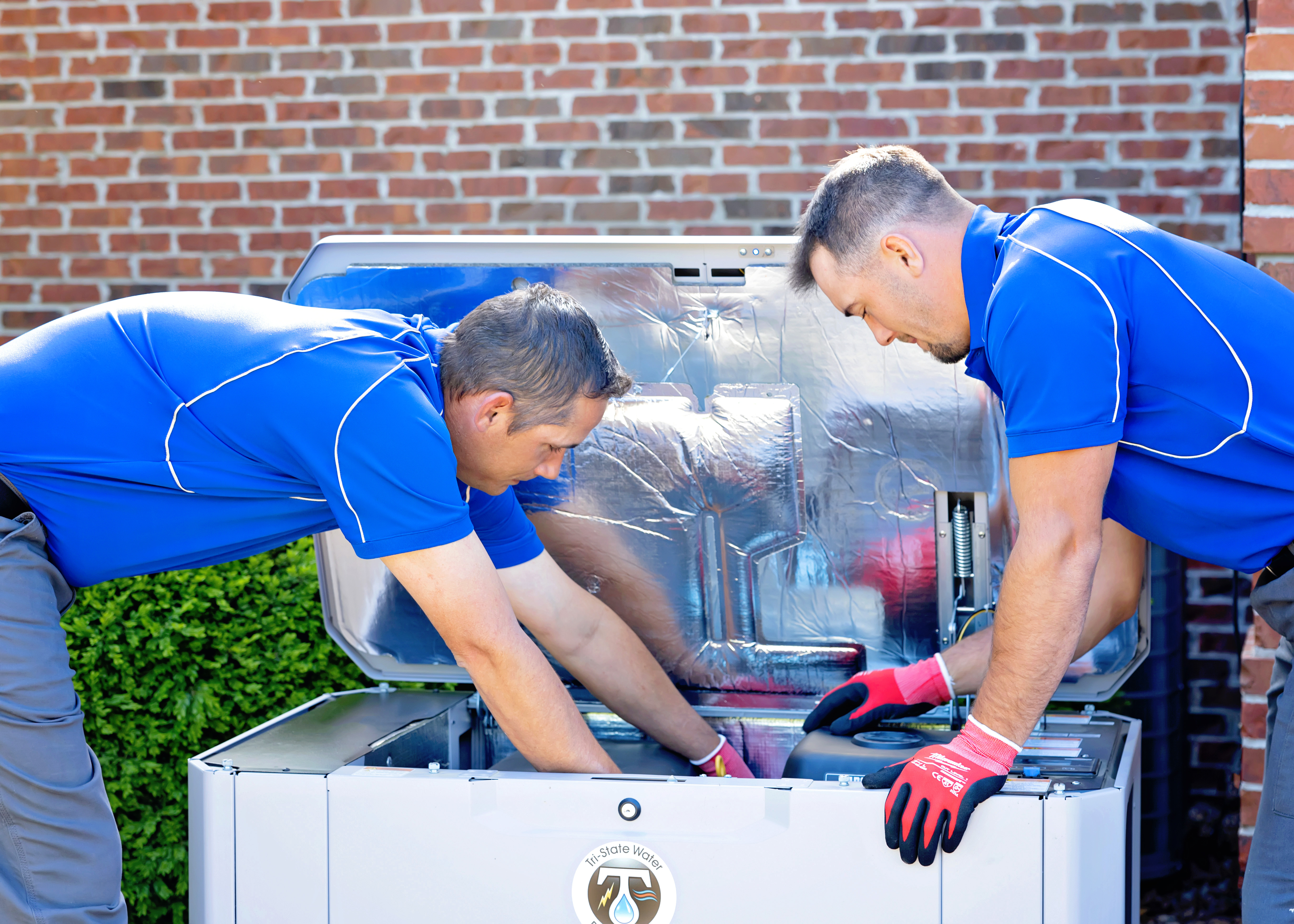
Fixed Generator - InstallGenerator - InstallGenerator - Install - For Business

Serving Ivanhoe, TX and surrounding areas

Approved (Corporate)

In business since 1992

Free estimates

Emergency services offered

Tri-State Water, Power & Air has been provided products designed to improve the comfort and quality of life of our customers since 1992. Our specialty is Automatic Home Standby Generators. \nWe expect customer service excellence and aim to go above and beyond on every call. With 10 locations across 8 states, Tri-State is always ready to serve you.

Additional Photos
113 neighbors recently requested a quote

Zapata’s Electrical
New to Angi
Fixed Generator - InstallCeiling Fan - InstallCeiling Fan - Repair+14 more

Serving Ivanhoe, TX and surrounding areas

Approved

Emergency services offered

Warranties offered

Small jobs welcome

Hello guys, I’m starting my own electrical service company. Been in the electrical industry since August of 2018 and now I’m licensed and insured running my own show. I’m familiar with rough in, troubleshooting, raceway installation, and many more. You have a problem, I have the solution.

Main Disconnect Upgrade
1 neighbors recently requested a quote
...
Showing 1-10 of 94
Electrical questions, answered by experts

It’s generally not recommended to run electric to a shed above ground, and you should instead run electric lines underground via a conduit. This job, like all electrical jobs, is best left to a pro, as they’ll need to ensure everything is installed safely and that they don’t run into any other utility lines underground. 

The best place to put an electrical outlet depends on your needs. A good rule of thumb is to install outlets every 6 feet in large rooms. Hallways over 10 feet long need one electrical outlet minimum. 

If you find yourself needing extra plug-ins for all of your gadgets, you may want to increase the number of electrical outlets in your room. When adding outlets, keep in mind that older homes could have outdated electrical panels. In these cases, you may need a pro to upgrade you from 100-amp to 200-amp service before increasing the power load.

There are several indicators that a single-pole switch is bad: the switch is warm or hot to the touch, sparks are sometimes present when turning the switch on or off, you hear a buzzing sound or other weird noise coming from the switch, the connected light flickers when you turn on the switch, and the light doesn't turn on at all with the switch. If you notice any of these, replace the switch or call a pro straight away.

The number of outdoor outlets that can be on one circuit depends on the circuit's capacity and the electrical load of each outlet. Outdoor outlets should ideally be on a dedicated circuit that is not shared with other outlets, and each outlet should be rated for at least 15 amps. A circuit rated for at least 20 amps is recommended. It’s important to use GFCI protection for all outdoor outlets to prevent electrical shocks. Overall, it's crucial to avoid overloading the circuit and take necessary safety precautions.

Dehumidifiers typically use 300 to 700 watts of electricity per hour, whereas portable dehumidifiers use about 40 watts per hour. The exact amount of electricity your dehumidifier will generate depends on its capacity and energy efficiency. Generally, higher-capacity dehumidifiers generate more electricity than lower-capacity units, but they also usually have better energy efficiency over the long run.


The Ivanhoe, TX homeowners’ guide to electrical services

From average costs to expert advice, get all the answers you need to get your job done.