



Get matched with top drywall pros in Heath, TX

Heath homeowners rate drywall pros in our network

4.5

(231 reviews)

Top-rated drywall pros.

Need a pro for your drywall service project in Heath, TX?

Select your specific project to find the pro for you.

Find Drywall pros in Heath

Avatar for Professional Drywall & Painting
Professional Drywall & Painting
4.9(
17
)

Serving Heath, TX and surrounding areas

Approved

In business since 1990

Free estimates

Offers commercial services

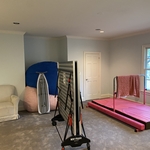
"Mark and Rick are a great team. Mark came out, on time, and completed the task exceedingly well. If anyone need drywall work done, I highly recommend this company. Great job!"
Drywall repair & painting
Before

+8

Response time6 hrs
Response rate100%
Recommended by63%of homeowners
Avatar for Curtis J. Dawe Painting, Inc.
Curtis J. Dawe Painting, Inc.
4.4(
57
)

Serving Heath, TX and surrounding areas

Approved

In business since 1983

Free estimates

Emergency services offered

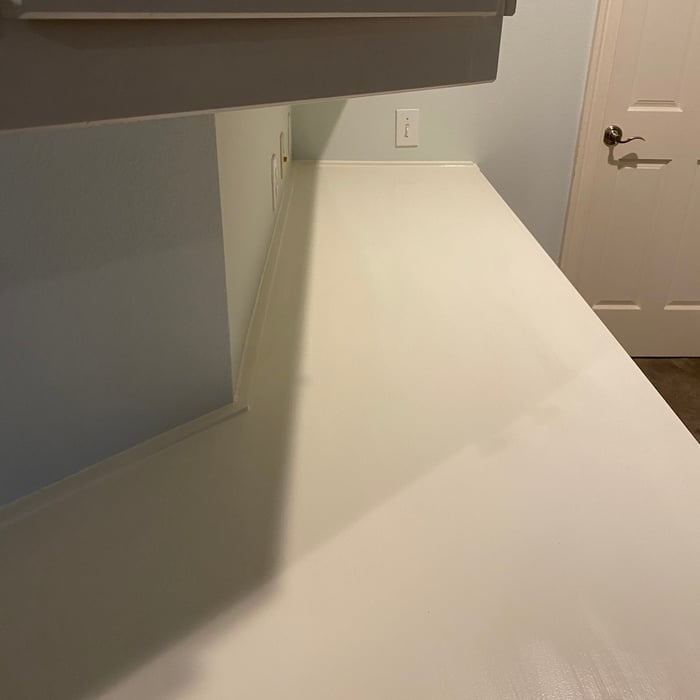
"The work, repairing drywall and painting was done very well. There was a missed spot behind the toilet, I had to fix myself. All the blinds were taken down and put back correctly. I had to glue back a piece of a small mirror."
 Preperation
Pereration
Repair
 Getting ready
 Working

+153

Response time5 hrs
2 neighbors recently requested a quote
Recommended by92%of homeowners
Sonart Construction Corp.
4.8(
245
)

Serving Heath, TX and surrounding areas

Approved

In business since 2013

Free estimates

Credit card accepted

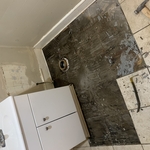
"Finally got the garage I have always wanted! These guys definitely helped make a long time Dream come true! When we purchased the house the garage was completely outdated. Definitely was in need of some TLC but Iâ m happy that they were able to provide me a good amount of options! Love love love the finished product!"
Response time10 hrs
Recommended by83%of homeowners

Avatar for Dallas Varsity Painting
Dallas Varsity Painting
4.9(
63
)

Serving Heath, TX and surrounding areas

Approved (Corporate)

Super Service Award Winner

In business since 2020

Free estimates

Offers commercial services
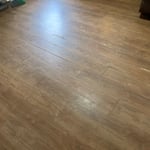
"Varsity was extremely communicative ad helpful throughout the process. We had some discoloration from a leak on our ceiling. They were able to fix it and the ceiling looks great!"
University Park
University Park
University Park
University Park
University Park

+22

Response time7 hrs
Response rate91%
15 neighbors recently requested a quote
...
Showing 1-10 of 766
Drywall questions, answered by experts

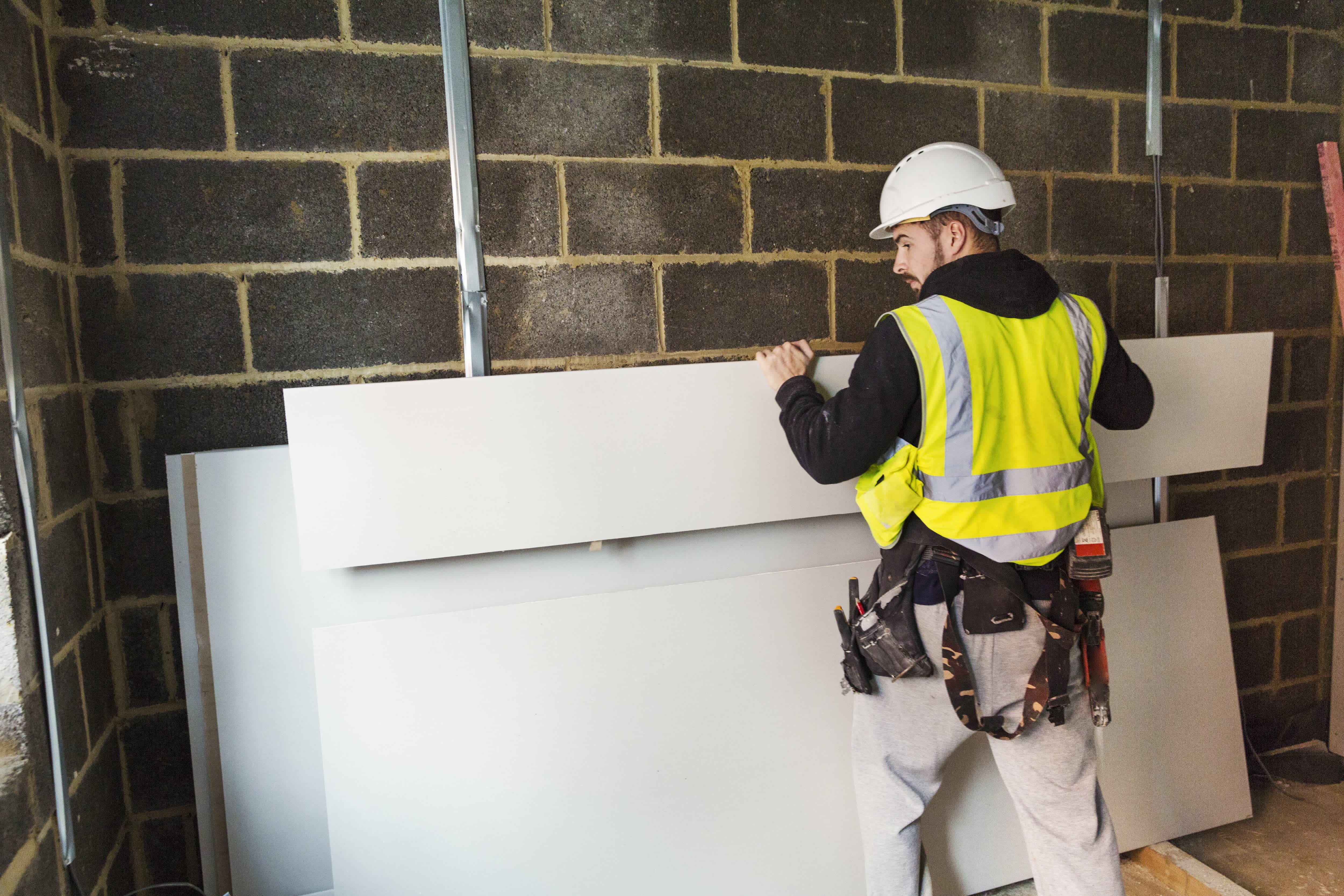
You should always hang drywall from the top down. Starting at the top makes it easier to create a straight, tight line between the ceiling and the wall. Any gaps that occur will be at the bottom, where they are easier to manage. You can either cut the bottom piece of drywall to fit the remaining space or cover the gap with baseboard trim. Additionally, starting at the top is physically easier, as you won't have to fit the top sheet into a tight space between the lower sheet and the ceiling, or try to balance the upper sheets on the lower ones while securing them.

Although they have similar applications, spackle and joint compound are not the same. Their primary differences lie in their composition, consistency, and ideal use cases.

Spackle is composed of gypsum and binding agents, making it thicker than joint compound. It dries quickly and is easy to sand, which makes it ideal for small wall repair projects like filling nail holes or patching minor damage.

Joint compound, also known as drywall mud, consists of limestone and gypsum. It is primarily used for large-scale projects, such as taping and finishing the seams on newly installed drywall. It tends to shrink more than spackle and can be more difficult to spread.

While both products can be used to fill small depressions and cracks, spackle cannot replace joint compound for taping and mudding new drywall. Conversely, you can often use joint compound for small patching jobs typically done with spackle.

When choosing materials for finishing basement walls, consider factors such as moisture resistance, durability, and fire resistance. Opt for materials specifically designed for basement environments, like moisture-resistant drywall or cement board. Insulation with vapor barriers can help regulate temperature and prevent condensation. Consider using mold-resistant paints or coatings. 

Research and consult with experts to select materials that are suitable for your specific basement conditions and intended use. Prioritize quality and compatibility to achieve long-lasting and aesthetically pleasing results.

Whether you need a drywall anchor depends on the specifics of your project, particularly what you're hanging and where. You do not need a drywall anchor if you can screw or nail the object directly into a wooden stud, as the wood provides sufficient support and stability. However, if there are no studs in the location where you plan to hang the item, you should use drywall anchors to ensure it is securely supported. For very lightweight objects, like small pictures, adhesive picture hanging strips can be a suitable alternative to anchors.

Yes, you can use drywall repair techniques for some types of plaster damage. Tiny holes and small cracks in plaster can be patched in similar ways to drywall. You apply the necessary compound to fill the hole, wait for it to dry, then sand it down. For larger damage, like water damage or mold, you need to use plaster-specific techniques and materials.

The Heath, TX homeowners’ guide to drywall services

From average costs to expert advice, get all the answers you need to get your job done.