Top-rated drywall pros.

Best drywall pros near Gatesville, TX

Enter your zip and get matched with up to 5 pros

Need a pro for your drywall service project in Gatesville, TX?

Select your specific project to find the pro for you.

Top-Rated Drywall pros in Gatesville - Updated Nov 2026

Pete's Remodeling and Repair LLC
4.7(
9
)
Drywall - Repair

Serving Gatesville, TX and surrounding areas

Approved

In business since 2017

Free estimates

Credit card accepted

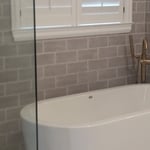
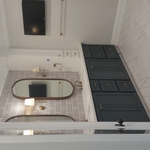
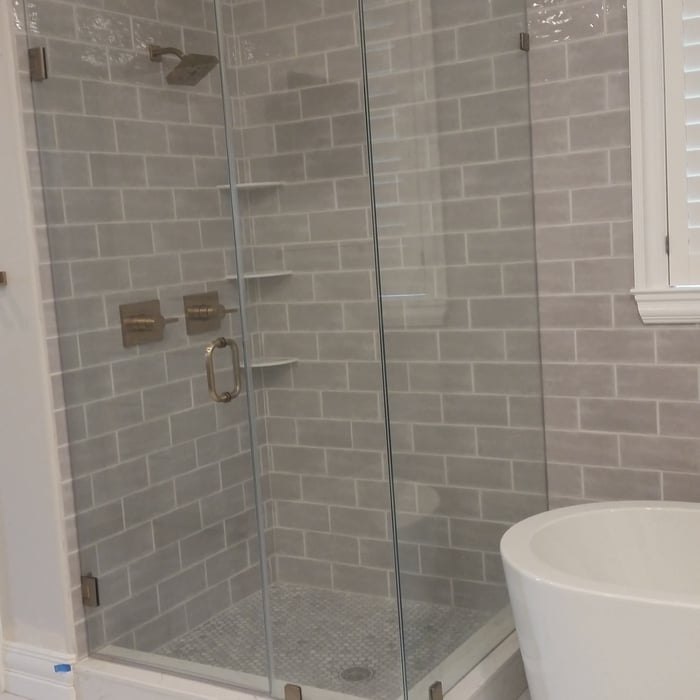
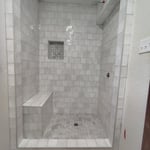
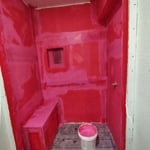
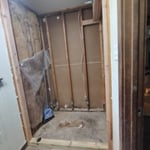
"Peter and his crew completed a total gut remodel of two bathrooms and replaced the floors on our main level. He was friendly, professional, honest, and affordable. He communicated well and delivered excellent work. We would not hesitate to hire him again and would highly recommend him for any home project!"
Tub
Custom Vanity
Cabinet wall
Shelves
New Shower

+1

Response time10 hrs
Response rate97%
12 neighbors recently requested a quote
Avatar for 5 Hills Remodeling
5 Hills Remodeling
5.0(
13
)
Drywall - RepairDrywall - InstallDrywall - Install - For Business+1 more

Serving Gatesville, TX and surrounding areas

Approved

In business since 2020

Free estimates

Credit card accepted

"Five Hills Remodeling painted my home and did an excellent job. The team was professional, punctual, and attentive to detail throughout the entire process. Communication was clear, the work area was kept clean, and the final result exceeded my expectations. I would confidently recommend Five Hills Remodeling to anyone looking for quality painting and reliable service."
Commercial paint
Commercial paint
Commercial paint
Commercial paint
Commercial paint

+42

1 neighbors recently requested a quote
...
Showing 1-10 of 145
Drywall FAQs, answered by experts

Damp plaster does dry out, although the drying time depends on several factors, including the type of plaster, the surrounding temperature, moisture content, and the extent of the dampness. Sometimes, it can take weeks or months for wall plaster to dry naturally.

Both plaster and drywall are durable wall finishes, but they differ significantly in installation, cost, performance, and aesthetics.

Installation & Cost: Drywall installation is faster and more affordable, typically costing $1.50 to $3 per square foot. It uses premade sheets, making it a more accessible DIY project. Plastering is a labor-intensive craft that requires specialized skills, pushing costs to $2 to $10 per square foot. It involves applying a wet paste over a lath framework.

Durability & Performance: Plaster is generally more durable, longer-lasting, and provides superior soundproofing. It is also a better insulator, which can help reduce energy costs. Drywall is easier to remove for future renovations.

Aesthetics: Drywall provides a smooth, uniform surface ready for paint or texture. Plaster offers a high-end, naturally textured look that can hide imperfections and is often preferred for achieving a classic or historic aesthetic.

Which is better? The choice depends on your priorities. Drywall is ideal for those prioritizing a lower upfront cost, faster installation, and DIY potential. Plaster is the better option for a higher-end project where durability, soundproofing, and a unique, premium finish are more important than the initial cost.

A post-drywall inspection could uncover many problems that weren’t present during the pre-drywall inspection, including insufficient insulation, missing weather stripping, improperly installed plumbing and lighting fixtures, flooring damage, drywall damage, plumbing leaks, aesthetic issues, and more. Structural problems, which are often expensive to fix and are common reasons to walk away after a home inspection, are easier to see before the drywall goes up, but a post-drywall inspection may highlight minor issues with house settling and foundation problems.
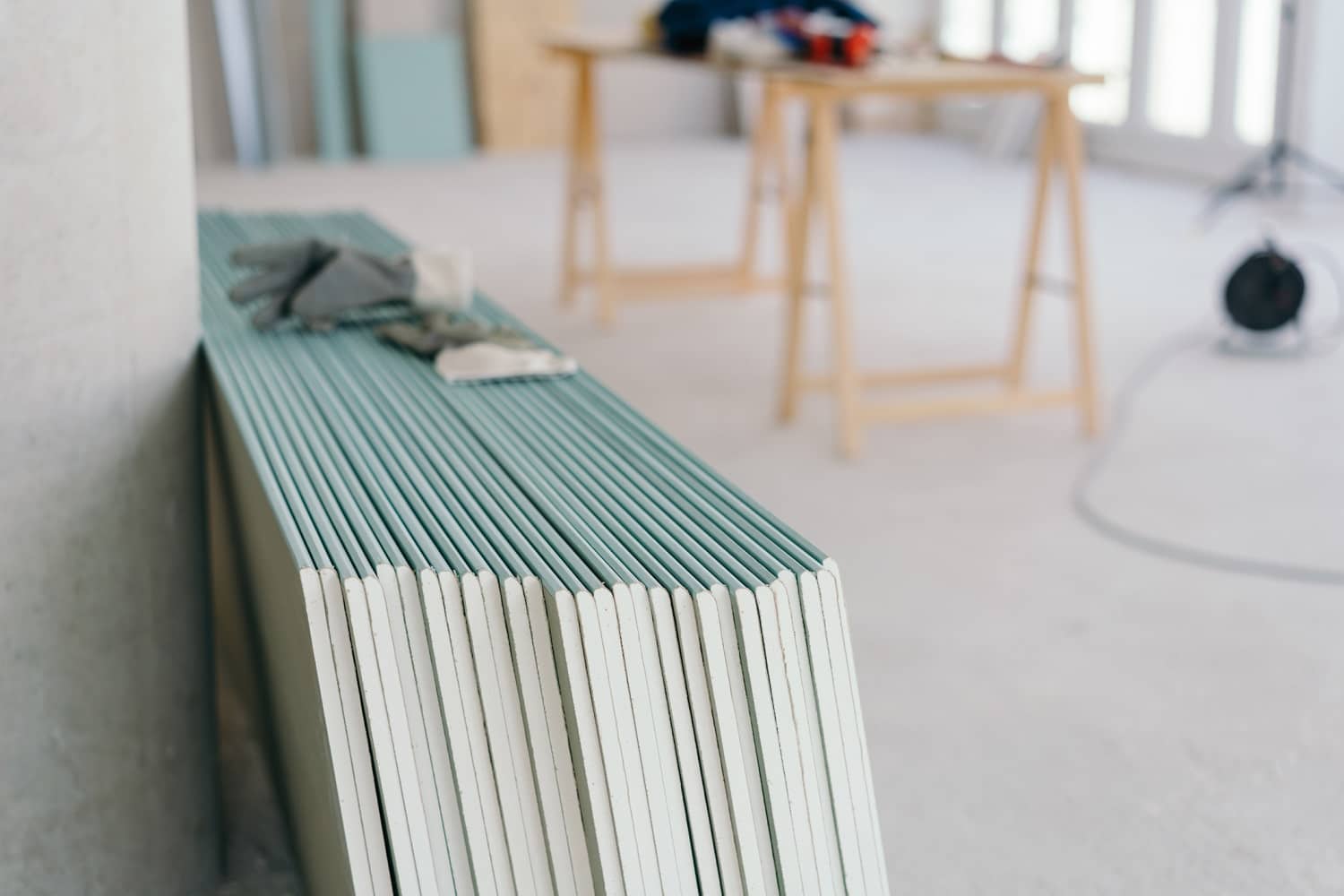
Drywall can be toxic to the environment and to humans in some cases. As drywall breaks down in a landfill and comes in contact with other organic chemicals, it can create hydrogen sulfide gas or leach into the groundwater. Additionally, the CDC recommends methods for controlling the inhalation of drywall dust when handled. While the common ingredients of drywall—gypsum, silica, and mica—are naturally occurring, they can cause irritation in some humans.

You do not need to drywall over most types of garage insulation. However, doing so can increase noise reduction, make the space more attractive, and keep children and pets from touching harmful fiberglass insulation. If you’re using cellulose or some other type of blown-in insulation (fiberglass and mineral wool are common), you will need drywall to contain the insulation material.

The Gatesville, TX homeowners’ guide to drywall services

From average costs to expert advice, get all the answers you need to get your job done.