










Top-rated radon detection and reduction specialists.

Get matched with top radon detection and reduction specialists in Diboll, TX

Enter your zip and get matched with up to 5 pros

Need a pro for your radon detection and reduction project in Diboll, TX?

Select your specific project to find the pro for you.

Find Radon detection and reduction specialists in Diboll

Avatar for LoneStar Mold Testing
LoneStar Mold Testing
4.9(
105
)

Serving Diboll, TX and surrounding areas

In business since 2016

Free estimates

Emergency services offered

"Lance was very professional and informative! He was very quick to fit us in to his schedule to test for toxic mold! He got the test results back quickly and gave us his recommendations within 24 hours! I highly recommend LoneStar Mold Testing."
Apartment Complex College
Water damage floors
Mold growth on drywall
Home for sale

+22

Response time2 hrs
Response rate85%
Recommended by95%of homeowners
Avatar for Clear Environmental
Clear Environmental
4.2(
15
)

Serving Diboll, TX and surrounding areas

In business since 2013

Free estimates

Warranties offered

"These guys are true professionals and true to their word. They did exceptional work and exactly what I asked of them. I would truly do business with this company again!"
Abatement
Abatement
Abatement
Abatement
Abatement

+7

Response time1 day
Recommended by91%of homeowners
Radon Detection and Reduction questions, answered by experts

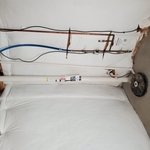
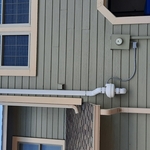
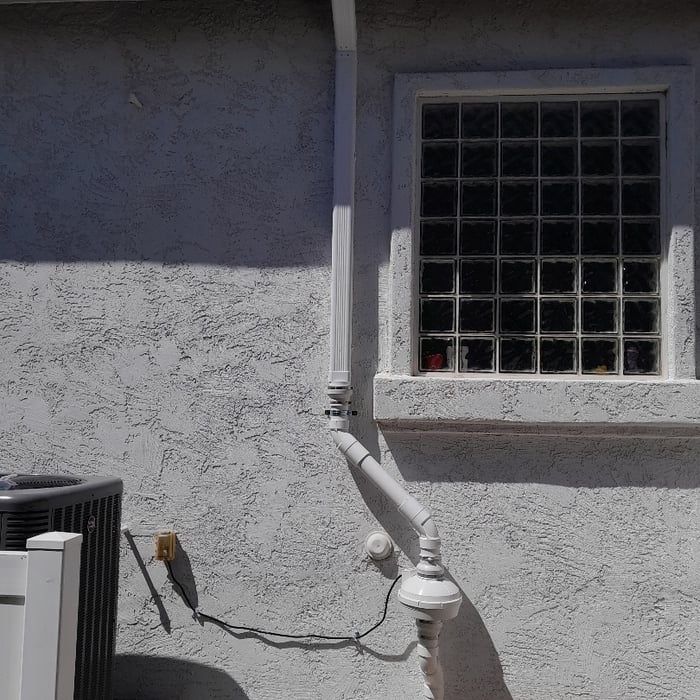
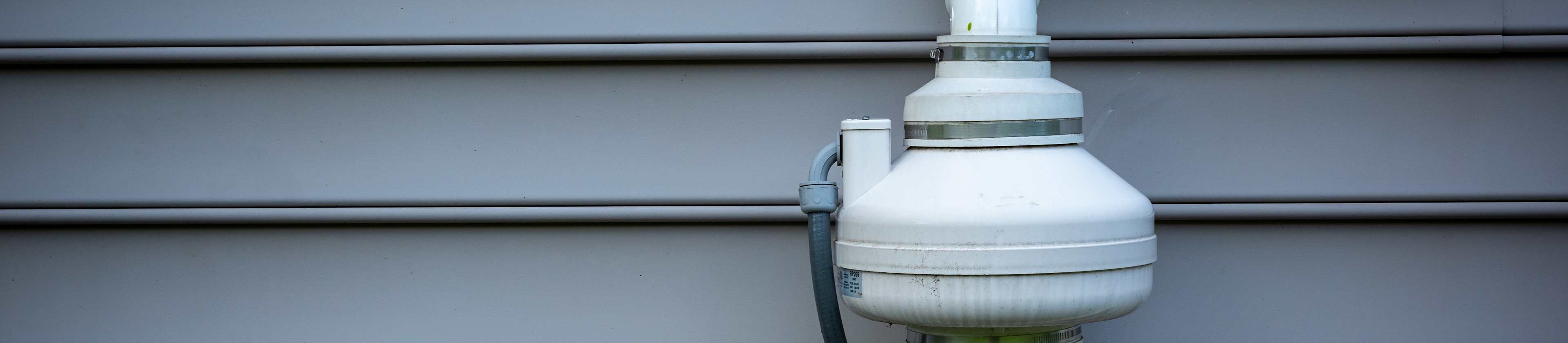
Your radon mitigation system may be loud because it’s time to replace it. Any sounds are usually from the inline fan that helps create the vacuum and resulting airflow. If you hear a new, loud mechanical or humming noise from your radon fan, it might be time to replace it. Most fans used in radon mitigation systems last up to 10 years, but may need to be replaced sooner.

There are steps you can take as a homeowner to remediate radon yourself. While a radon reduction professional can make the biggest impact in your home, you can make efforts to improve radon levels on your own by sealing cracks, increasing ventilation, and testing for radon regularly.

Keeping radon from getting into your home is much better than having to get rid of it once it's already indoors. While there may not be a way to fully prevent radon from getting into your home, there are things you can do to reduce the gas's ability to enter. 

Sealing foundation cracks and openings can help keep the gas from seeping inside. Improving air flow, such as by opening windows, can also be helpful. If you're building your home from scratch, talk to your contractor about using radon-resistant construction to keep the gas out.

Options include sub-slab depressurization, crawlspace ventilation, and sealing cracks. Choose based on home construction and radon levels.

You'll need to test your home for radon after installing the mitigation system, then again every two years. If radon remains elevated, contact a licensed radon professional, either the contractor who installed the system or a different one, and have them evaluate the system. They may need to make some changes to improve its effectiveness and performance.

The Diboll, TX homeowners’ guide to radon detection and reduction services

From average costs to expert advice, get all the answers you need to get your job done.

What do you need done? We’ll find top pros.
  • 🌱 "Mow a small front yard"
  • 🛠 "Fix a leaking pipe under the sink"
  • 🏠 "Repair shingles on an asphalt roof"