





Top-rated landscapers.

Get matched with top landscapers in Diboll, TX

Enter your zip and get matched with up to 5 pros

Need a pro for your landscaping project in Diboll, TX?

Select your specific project to find the pro for you.

TRUSTED BY DIBOLL, TX HOMEOWNERS

  • Average homeowner rating star icon4.2
    Average homeowner rating
  • Verified reviews icon23
    Verified landscaping services reviews

Find Landscapers in Diboll

Avatar for MTZ Professional Tree Service
MTZ Professional Tree Service
4.7(
49
)
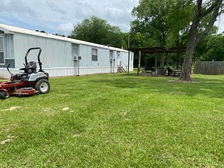
Lawn & Yard Waste Clean Up

Serving Diboll, TX and surrounding areas

Approved

Super Service Award Winner

In business since 2000

Free estimates

Credit card accepted

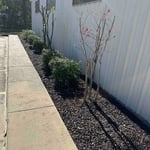
"The guys work very hard to do an excellent job. I recommend this company to anyone and everyone to take care of any tree service needs. They make sure the yard looks great by time they leave!"
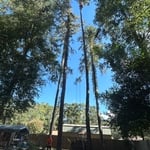
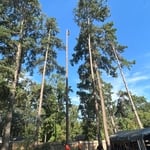
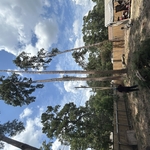
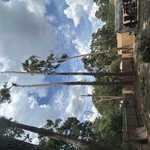
Tree removal
Tree removal
Tree removal
Tree removal
Response time1 day
Response rate95%
39 neighbors recently requested a quote
...
Showing 1-10 of 170
Landscaping questions, answered by experts

Yes, you can landscape in the rain, but you should take some precautions to keep yourself and your tools safe. Avoid using electric landscaping tools during rainfall, and don’t mow, thatch, aerate, or rake in the rain, as your tools can more easily tear out roots in the loose soil. Be careful when working on wet grass, and take your time to avoid slipping. Avoid putting in new plants before a particularly bad storm, as heavy rain and strong winds can damage or uproot plants that aren’t yet established.

Multiple rules of thumb exist when discussing tree planting. When planting a tree, the best rule of thumb is to provide it with everything it needs to survive and thrive in its new environment. That may mean learning about the type of tree you're planting and studying the best methods of taking care of it before purchasing and planting. 

In addition to aloe vera and lilac, other effective humidity-reducing plants include peace lilies, Boston ferns, English ivy, spider plants, and lucky bamboo. These plants thrive in humid environments and can naturally lower moisture levels. Place them in areas prone to dampness for the best results.

Finding a reputable greenhouse or nursery should start online, where you can read through customer reviews to gauge the quality of the plants sold and the customer experience. Look out for customers complaining about plants dying shortly after purchase, and try to choose a greenhouse known for hiring employees who are able to explain how to care for the plants you purchase. It’s also a good idea to head to a few greenhouses to see the selection they offer and make sure they carry the plants or trees you’re looking for.

Grass is the most popular and safest option for planting over a septic drain field, but you can also plant small flowering plants and other lightweight plants that don’t have woody or deep roots. Avoid trees and bushes within 10 feet of the field, as the woody roots can crack the perforated pipes. You should also avoid planting vegetable or fruit gardens over your drain field, as a leak from the pipes could contaminate the soil and put anyone who eats the produce at risk.

The Diboll, TX homeowners’ guide to landscaping services

From average costs to expert advice, get all the answers you need to get your job done.