



Top-rated asphalt driveway pros.

Get matched with top asphalt driveway pros in Cross Roads, TX

Enter your zip and get matched with up to 5 pros

Need a pro for your asphalt driveway service project in Cross Roads, TX?

Select your specific project to find the pro for you.

Find Asphalt driveway pros in Cross Roads

Avatar for Piper Whitney Construction
Piper Whitney Construction
4.0(
14
)
Interlocking Pavers for Driveways & Floors - Install

Serving Cross Roads, TX and surrounding areas

Approved

In business since 2014

Free estimates

Credit card accepted

"P-W was great. They understand permeable pavers and the complete system required to install. They answered all of our questions, even some that needed engineering backup. The work was done very well and on schedule. They followed up to see that we were satisfied. Very good company!"
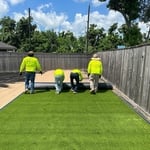
Back Yard Luxury; Artificial Turf
Aritificial Turf
Artificial Grass & Pavers
Playground Turf
Beautiful Backyard Turf

+7

Response time20 mins
Response rate100%
Recommended by90%of homeowners

...
Showing 1-10 of 156
Asphalt Driveways questions, answered by experts

Sometimes, when people talk about asphalt driveways, they’re actually referring to asphalt concrete, which is a completely different compound. Asphalt concrete is asphaltic cement combined with sand or grit. It is significantly more lasting and durable than regular asphalt but also much more expensive. If you’re considering using asphalt concrete, ask an asphalt company for their expert opinions.

Your city or county will have guidelines about the minimum and maximum width and length of private roads. The average private road is 12 feet wide, and length, of course, depends on your property. Requirements also depend on the amount of traffic and types of vehicles your road experiences. Check with local ordinances before planning a road on your property.

The choice between asphalt and concrete depends on your priorities, budget, and climate.

Concrete is generally more durable, lasting up to 50 years with minimal upkeep, and offers more customization options like staining and stamping, which can add more to a home's value. However, it is more expensive upfront and can be prone to cracking in cold climates where water can freeze and expand.
Asphalt is typically cheaper and quicker to install and is easier to repair. It performs better in colder climates. However, it requires more maintenance, including regular resealing, has a shorter lifespan, and can get hot and sticky in intense sunlight.

Ultimately, if durability and long-term value are key, concrete is often the better choice. If upfront cost and performance in cold weather are more important, asphalt may be preferable.

Gravel is one of the few driveway materials that can handle rain the second it’s installed. Unlike asphalt, which needs days to set, or concrete, which requires weeks to cure, gravel is ready as soon as it’s compacted. It’s naturally permeable, allowing water to drain straight through—with no risk of pooling or surface damage. Gravel driveways are one of the most affordable, at $1 to $3 per square foot, and can also last upward of 100 years.

New asphalt typically needs 24 to 72 hours to dry before it can handle light foot traffic and careful driving. Although it may appear solid after a few days, the full curing process, where the asphalt reaches its peak strength, takes much longer—generally from 30 days to a year.
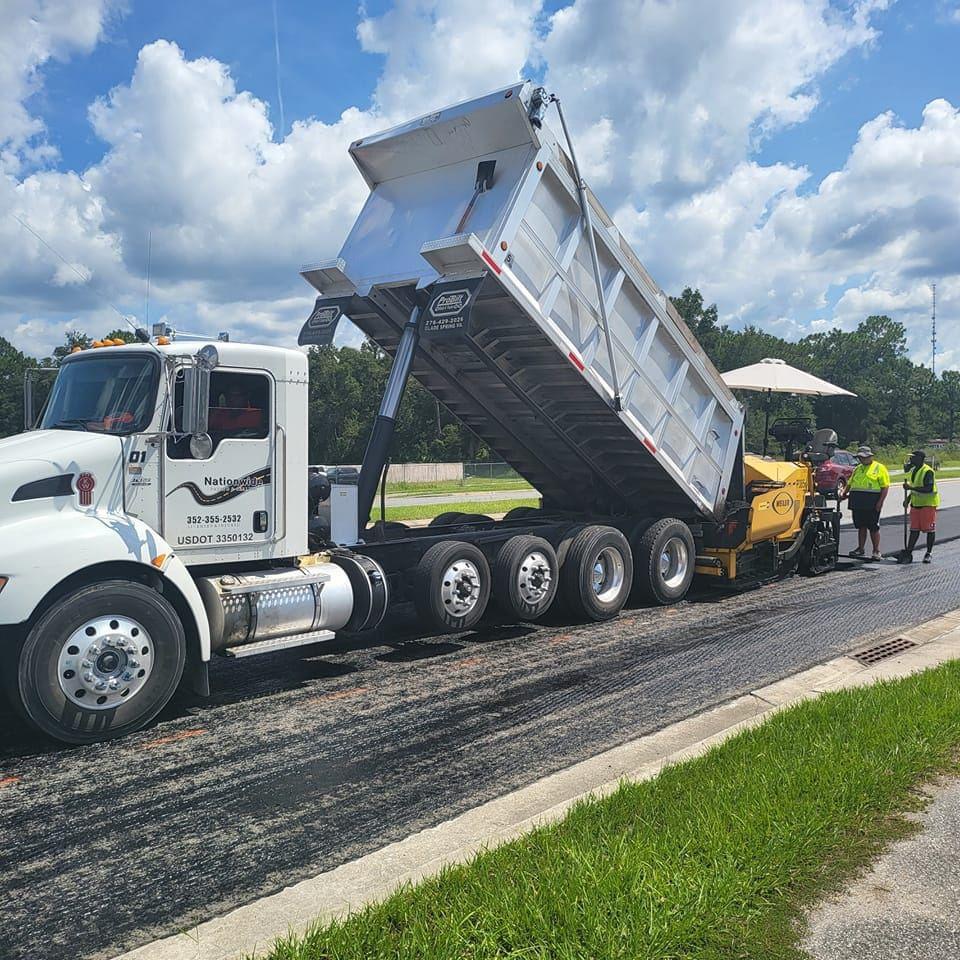

During this extended curing time, the surface remains relatively soft and can be damaged by heavy vehicles, sharp objects, or high temperatures. To protect your investment, it's best to avoid parking heavy machinery on the asphalt until it has fully cured.

The exact time required for drying and curing depends on several factors, including the weather, the specific asphalt mix, and its thickness. For the most accurate advice tailored to your situation, consult with your asphalt contractor.

The Cross Roads, TX homeowners’ guide to asphalt driveway services

From average costs to expert advice, get all the answers you need to get your job done.