







"He was able to quickly diagnose that the water leak from the water heater was a result of a ruptured tank, resulting in the need to replace the entire water heater."
"I just pay $75 you never know who's going to come out. They do everything electrical. Just about everything is covered except the septic tank. I had an air conditioner replaced. It went great, all I had to do was pay for the freon. He didn't charge e more than what was needed."
James Batts has been in business since 1981 and is a master plumber. He takes great pride in providing his customers with quality work at a great price. This has built him a strong reputation for customer satisfaction. Allow him to show you how his commitment to personal service and expertise will help you with all of your plumbing needs.
Schedule annual inspections, monitor water pressure, and address minor issues promptly to avoid major repairs.
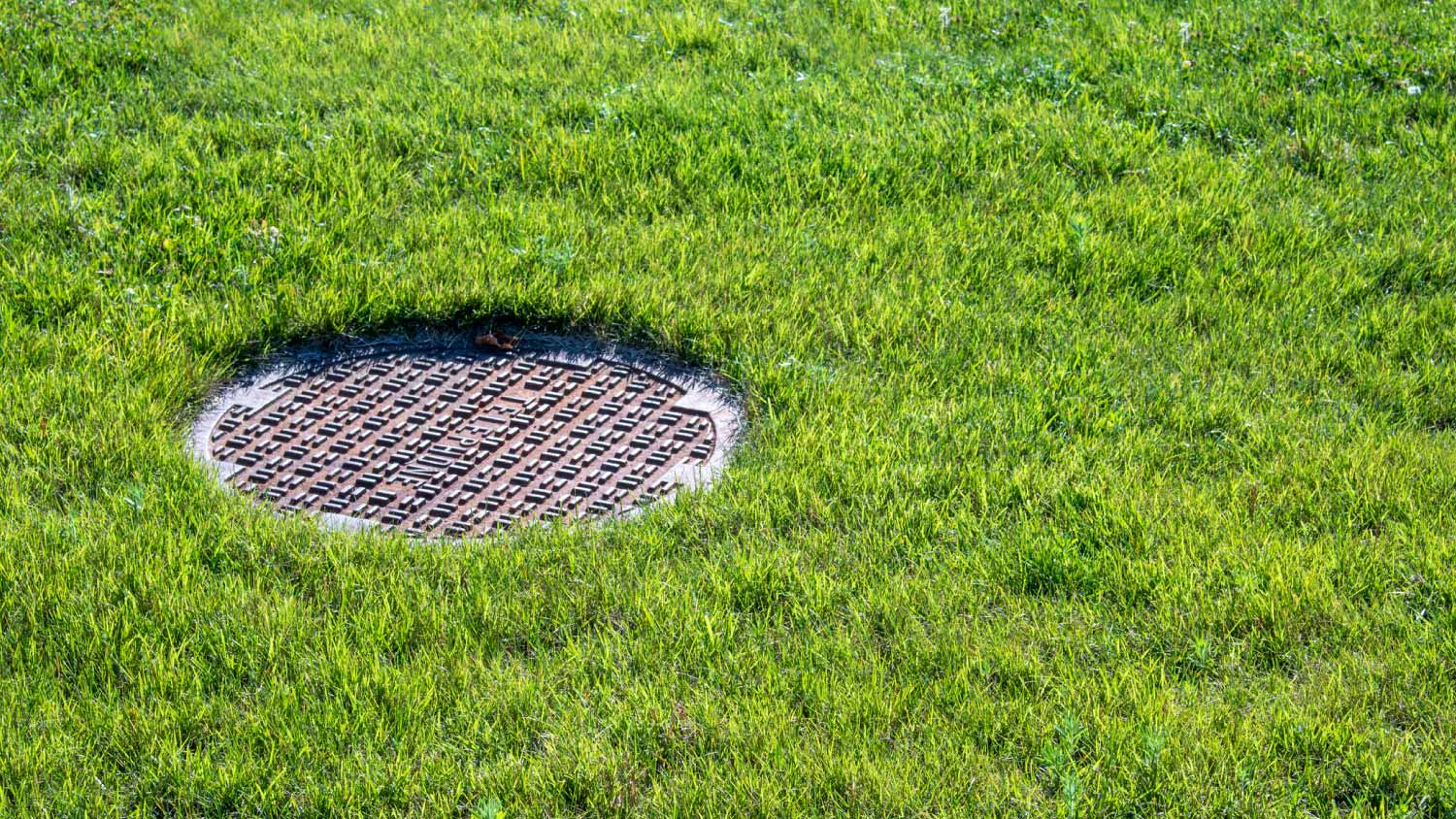
There are a few signs that indicate a failing drain field. For instance, if your septic tank starts requiring more pumping than normal, your drain field might be failing. Other signs to watch for include poor drainage after rain, standing water or sewage over the septic system, a strong septic smell outside, new and healthy grass growing over the drain field, and plumbing backups in your sinks, bathtubs, or toilets.
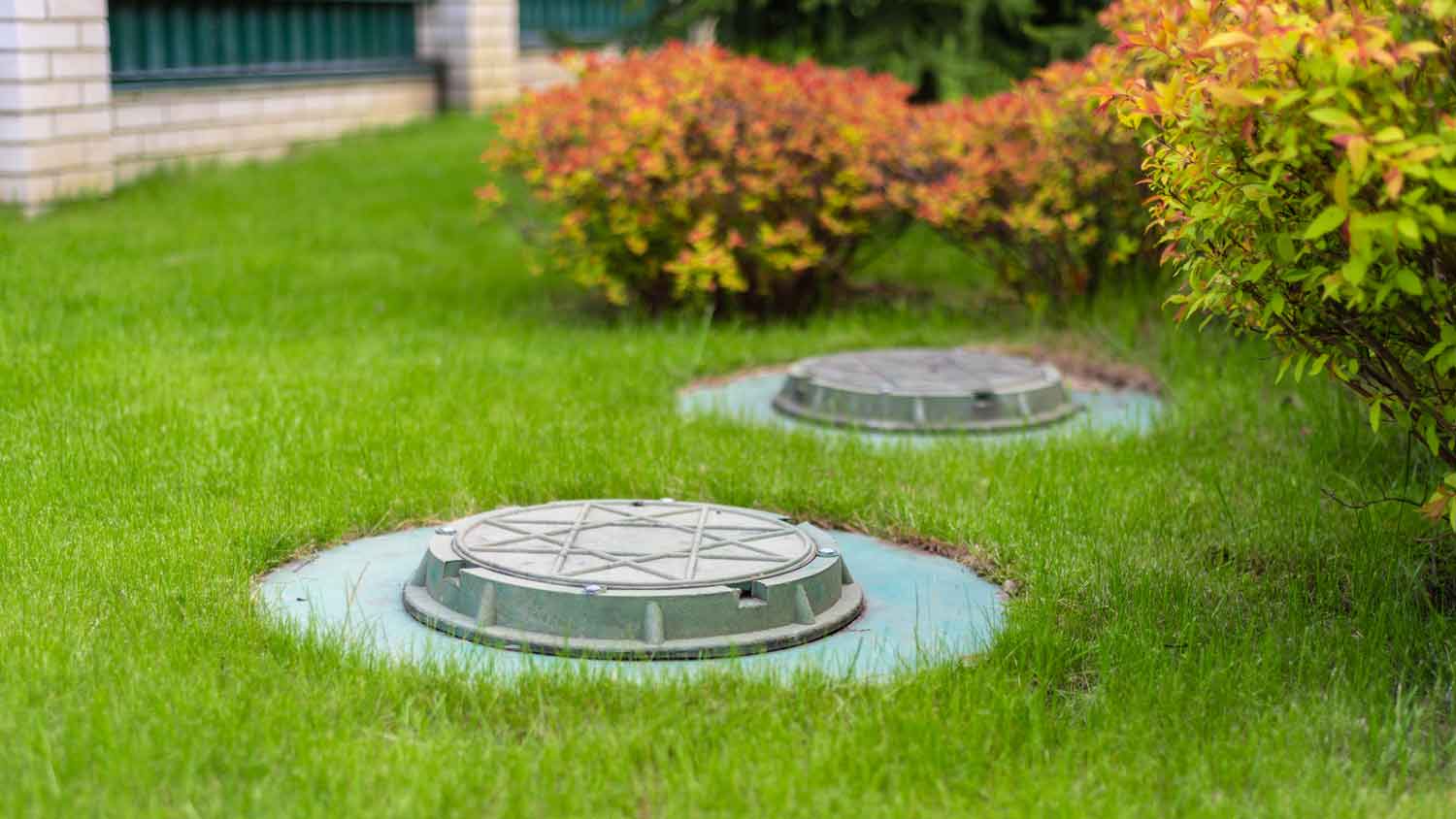
Yes. Amongst the four most common types of septic tanks—plastic, fiberglass, concrete, and steel—those made of concrete are the most expensive. This is the case for a few reasons, including the fact that they’re very heavy, so pros have to use specialized equipment to install them. However, they’re also incredibly durable, making the price worth it if it’s in your budget.
Trenches are typically 12 to 24 inches deep and 8 inches wide. However, the required depth depends on the specific project and local ordinances. For example, a French drain may need to be 18 inches deep, while a water pipe might require a depth of 24 inches and a drainage pipe 36 inches. Your city or county may have specific regulations, so it's wise to consult with an excavation professional to determine the correct depth for your project.
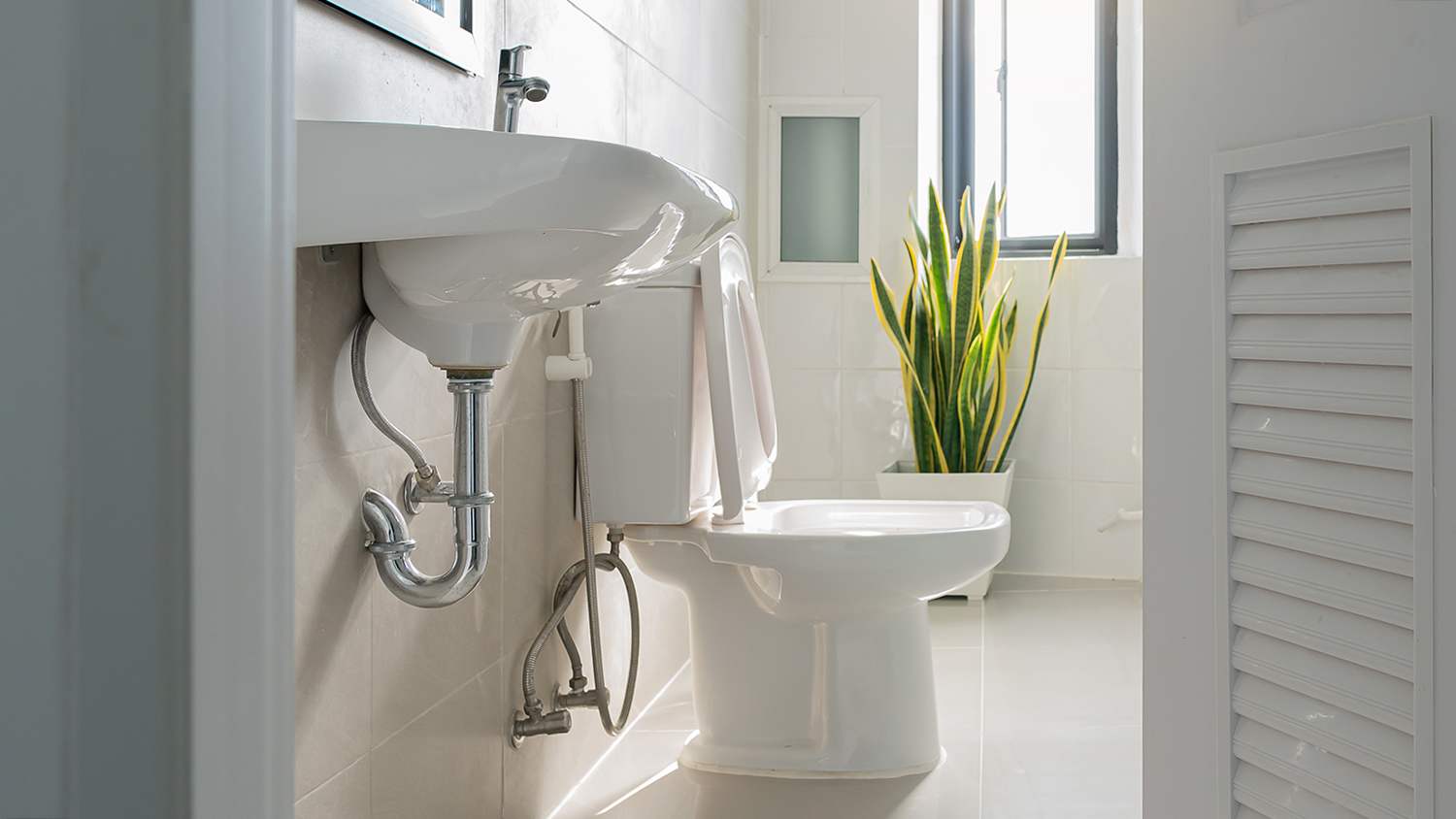
Yes, shower water goes into the septic tank. Shower water is a type of greywater, and in fact, all water used in a home with a septic system—including water from sinks, toilets, the dishwasher, and the washing machine—drains into the tank. When shower water enters the tank, debris like soap and hair travels with it. The solid debris sinks to the bottom to become sludge, while soap residue joins the scum layer at the top. The remaining water is treated in the tank before moving to the drain field for further treatment and dispersal. It is important to avoid putting oil or harsh chemicals down any drain, as they can cause clogs or disrupt the beneficial bacteria required for proper wastewater management in the septic system.
The Cotulla, TX homeowners’ guide to septic tank services
From average costs to expert advice, get all the answers you need to get your job done.
Caring for your septic system is crucial to ensuring its long life. But how much does it cost to pump a septic tank? We explore the different cost factors.
A damaged septic system can leak odors and sewage, so repairs are urgent. Find out how much septic tank repair costs based on repair type, tank size, and more.
Septic tank risers make it easy to access your septic tank when it’s time for routine inspection, maintenance, and pumping, saving you precious time and labor costs.
Septic tank sizes vary depending on the size of your home, how many people live there, how much water you use, and more. Read on to learn how to determine the right size for you.