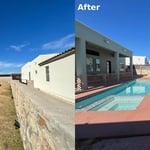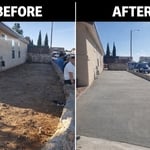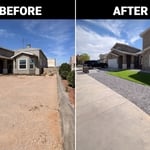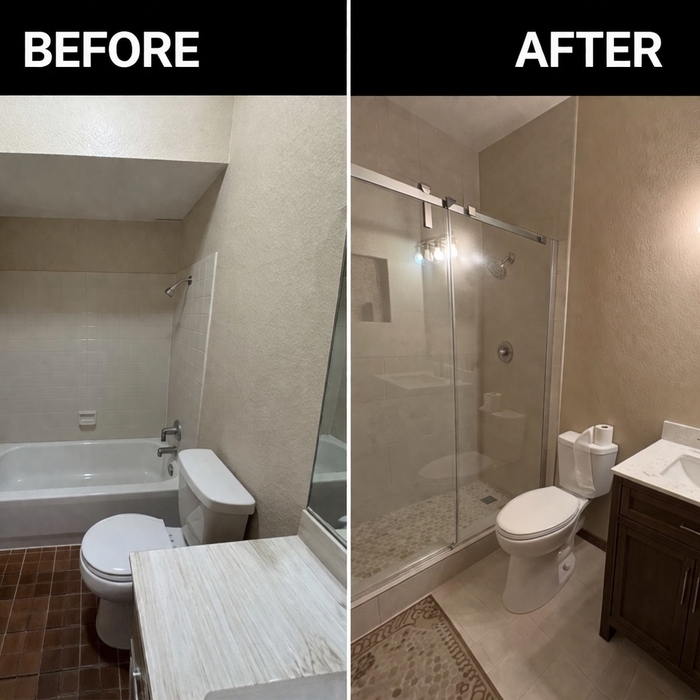







Top-rated excavation pros.

Get matched with top excavation pros in Clint, TX

Enter your zip and get matched with up to 5 pros

Need a pro for your excavation project in Clint, TX?

Select your specific project to find the pro for you.

Find Excavation pros in Clint

Avatar for Montes Construction, LLC
Montes Construction, LLC
5.0(
5
)
Landscape - Minor Grading or Resloping

Serving Clint, TX and surrounding areas

Approved

In business since 2023

Free estimates

Small jobs welcome

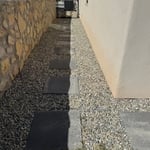
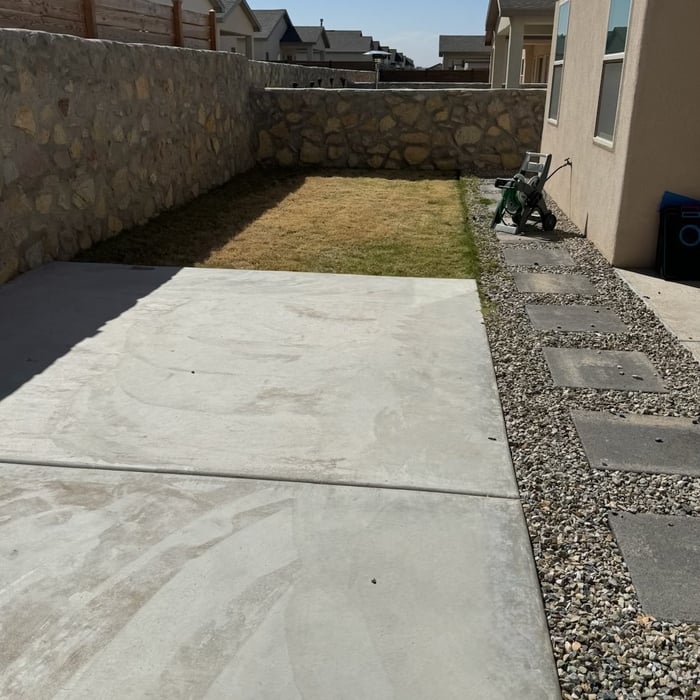
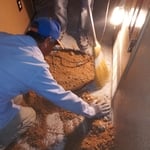
"Montes Construction put in a walkway for me. They answered all my questions and guaranteed that I would be highly satisfied with the end result. I was. Pricing was fair and the personnel were very proficient in what they were doing. End result was a fantastic looking walkway completed in just a few days."
3 neighbors recently requested a quote

Showing 1-10 of 32
Excavating questions, answered by experts

In most areas, you will need a permit for excavation work, even for projects that only involve grading or yard leveling. Permit requirements depend on your local government and the scope of the project, but they are especially common for significant digging or work that could affect utilities or public property. These permits help protect the local topography and prevent drainage issues. An experienced excavation company will typically know whether permits are needed and can often handle the process of pulling and closing them for you. You can also verify permit requirements by contacting your local building department and describing your project.

Whether you grind or dig up and remove your tree stump depends on your landscaping goals. Using a stump grinder leaves the root system in place for it to decompose over time, whereas digging up the tree stump removes the roots and the stump. Overall, stump grinding is a far simpler process since you won’t need to deal with the roots. Stump removal will make your yard look like a demolition site, but you’ll have an easier time replanting in the same place as your former tree.

Trenches are typically 12 to 24 inches deep and 8 inches wide. However, the required depth depends on the specific project and local ordinances. For example, a French drain may need to be 18 inches deep, while a water pipe might require a depth of 24 inches and a drainage pipe 36 inches. Your city or county may have specific regulations, so it's wise to consult with an excavation professional to determine the correct depth for your project.

Call 811 to locate and mark the gas lines at least three days before digging. In many areas, you can dig within 18 inches of the lines, though in some locations, the distance may be further. Check local regulations, as you may need a utility company representative onsite when digging. Document your calls to 811 and precautions taken to avoid gas lines. A homeowner can be held liable for hitting a gas line in some cases, but contacting the proper authorities and following all guidelines can offer protection.

No, fire blight does not survive free in the soil but instead is carried through insects, animals, rain, or wind during the spring. Keep in mind that it can also spread on tools, which is why you should always disinfect them in between cuts.

The Clint, TX homeowners’ guide to excavation services

From average costs to expert advice, get all the answers you need to get your job done.