



Top-rated excavation pros.

Best excavation pros near Anthony, TX

Enter your zip and get matched with up to 5 pros

Need a pro for your excavation project in Anthony, TX?

Select your specific project to find the pro for you.

Top-Rated Excavation pros in Anthony - Updated Nov 2026

Avatar for Montes Construction, LLC
Montes Construction, LLC
5.0(
5
)
Landscape - Minor Grading or Resloping

Serving Anthony, TX and surrounding areas

In business since 2023

Free estimates

Small jobs welcome

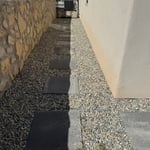
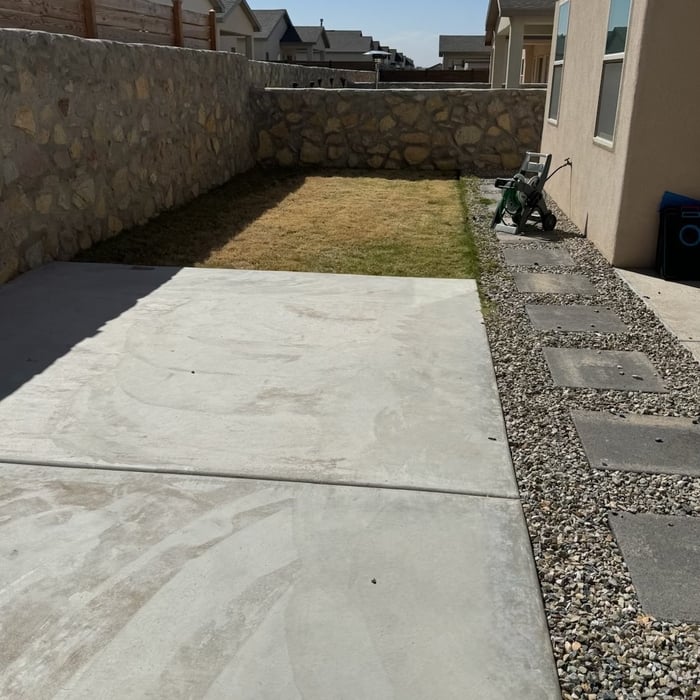
"Montes Construction put in a walkway for me. They answered all my questions and guaranteed that I would be highly satisfied with the end result. I was. Pricing was fair and the personnel were very proficient in what they were doing. End result was a fantastic looking walkway completed in just a few days."
2 neighbors recently requested a quote
Showing 1-10 of 41
Excavating FAQs, answered by experts

A mini excavator can dig between 5 and 11 feet deep, depending on the type and size of the mini excavator. Mini hydraulic excavators are more powerful and can reach deeper into the earth, but electric models have a more limited range. Mini excavators over two tons in size are also more powerful and able to dig as deep as 11 feet.

In the United States, a depth of 36 inches (three feet) for underground water lines is the accepted industry standard. This depth varies from location to location based on local conditions. In areas with colder winters, they may be buried deeper to prevent frozen well water pipes : This is usually at least six inches below the frost level. The International Plumbing Code calls for a minimum of 12 inches below grade.

Drilled wells have a pipe sticking up that’s covered in a plastic or metal casing. On the other hand, a dug well will look like a big hole in the ground and is more similar to what you’d see in a fantasy or Western movie. If you want to be sure, contact the city for documentation on your property’s construction and excavation history. 

No, a ditch isn’t a trench. A ditch is an open, relatively shallow channel that’s carved out of the ground and used for drainage purposes. In contrast, a trench is a deeper excavation that’s entirely underground. Trenches have many uses, including gas lines, sewage systems, and electrical wiring. Unlike trenches, ditches don’t get filled back in with dirt after they’re dug.

How deep your septic system needs to be into the ground depends on several factors. In extremely cold environments, the tank needs to rest below the maximum frost line, which can be up to six or eight feet deep. The standard burying depth for most systems is between a few inches and four feet below ground level. Depth can also depend on the slope of the landscaping and other property variables. 

The Anthony, TX homeowners’ guide to excavation services

From average costs to expert advice, get all the answers you need to get your job done.