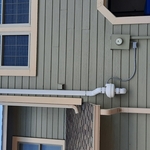
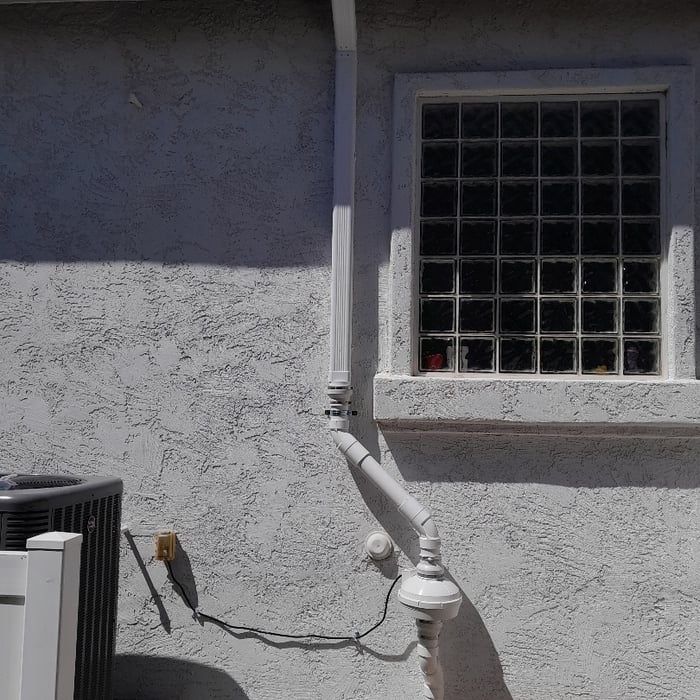
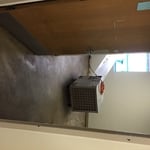
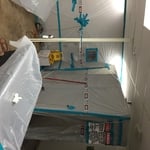
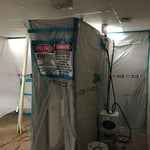
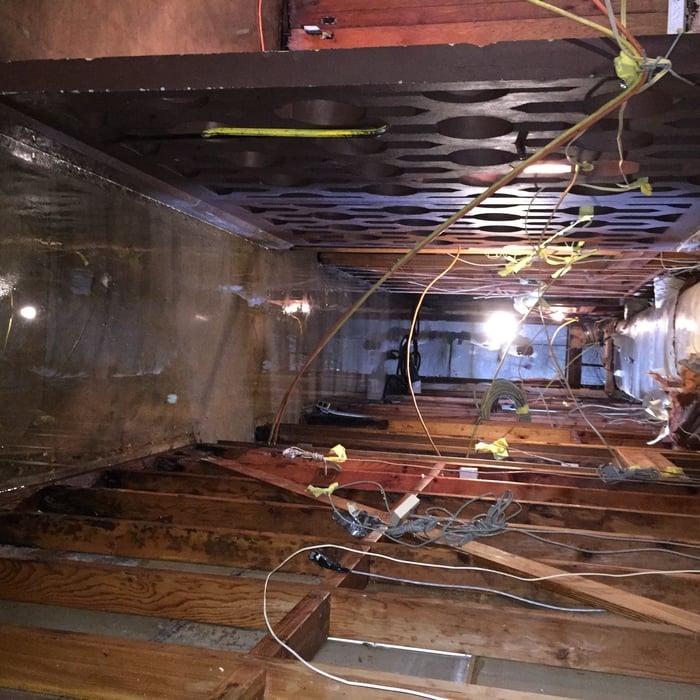
"They were prompt, efficient and courteous. They called to let me know they were on their way and cleaned up everything when they were done. They were supposed to explain something to me about some monitor after the installation, but they forgot. They did walk through how to do the radon test in another week. they also gave me a senior discount, which was definitely appreciated. Otherwise, their pricing was pretty much in the range with the other estimates I received."
"Zach Shipley of Clear Environmental took on the task of removing my extremely large inground swimming pool, filling the cavity and resodding the lawn. He and his crew were very professional in all aspects and he was very "hands-on" throughout the entire process. He was on-site for delivereies and to oversee the work and to keep me apprised of everything that was being done and how the job was progressing. It was a monumental job and he made it as painless as possible at a very competitive price. I would highly recommend Clear Environmental to anyone with a home or commercial project."
Radon Detection and Reduction questions, answered by experts
Many radon fans carry a five-year manufacturer's warranty. That said, your radon fan should last between five and ten years. Regular inspections will ensure the fan is operating properly. Unusual or exceptional noise coming from the fan or indications on your manometer or system monitor can immediately tell you that something is amiss.
Testing every 2-5 years or upon adjusting occupancy or structural changes maintains safe environments.
If high radon levels are detected, steps include sealing entry points, installing a mitigation system, and retesting the air regularly to ensure reduced levels.
The soil beneath your house is most likely what’s causing an increased level of radon. This is because soil holds radioactivity for a long time and it’s also what most buildings are built on. Another common source of radon is water from a source that hasn’t been through periodic radon tests, such as well water. Over time, the radon from the soil can inhabit other parts of your house like the foundation or plumbing.
Ideally, no one will live in a house with elevated radon levels, as prolonged exposure increases the risk of serious health issues like lung cancer. However, homes with radon can be made safe through mitigation systems, such as active soil depressurization. Testing for radon regularly and addressing high levels helps ensure a safe living environment.
The Chillicothe, TX homeowners’ guide to radon detection and reduction services
From average costs to expert advice, get all the answers you need to get your job done.
Get clear answers on how much radon remediation costs, including average prices, key cost factors, and tips to save money on your home’s radon mitigation.
Find out what impacts radon testing costs, including average prices for DIY kits and professional services, so you can protect your home and budget confidently.
Radon is a gas that you can't see or smell and is harmful to your health. If your home has radon, you need to know who installs radon mitigation systems.