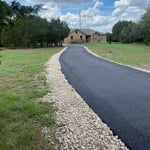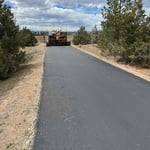



Top-rated paving pros.

Get matched with top paving pros in Caldwell, TX

Enter your zip and get matched with up to 5 pros

Need a pro for your paving service project in Caldwell, TX?

Select your specific project to find the pro for you.

Find Paving pros in Caldwell

Avatar for JDS ASPHALT LLC
JDS ASPHALT LLC
5.0(
6
)
Asphalt Paving - Install- For BusinessAsphalt Paving - Repair or Patch - For Business

Serving Caldwell, TX and surrounding areas

Approved

In business since 2021

Free estimates

Offers commercial services

We are a locally owned business who proudly serves its customers with pride, integrity and attention to the details that matter most to you. This is one of the many things that sets us apart from the rest. We are locally owned and operated. Give us a call today!

3 neighbors recently requested a quote
Recommended by16%of homeowners
Avatar for Bonilla Paving, LLC
Bonilla Paving, LLC
2.8(
3
)
Asphalt Paving - Install- For Business

Serving Caldwell, TX and surrounding areas

Approved

In business since 2020

Free estimates

Emergency services offered

"They did a very good and fast job. They were a bit messy with the concrete throughout my yard and didn't seem to have much experience with stamping the concrete but overall it was a good experience."
Response time6 hrs
Recommended by100%of homeowners
...
Showing 1-10 of 85
Paving Services questions, answered by experts

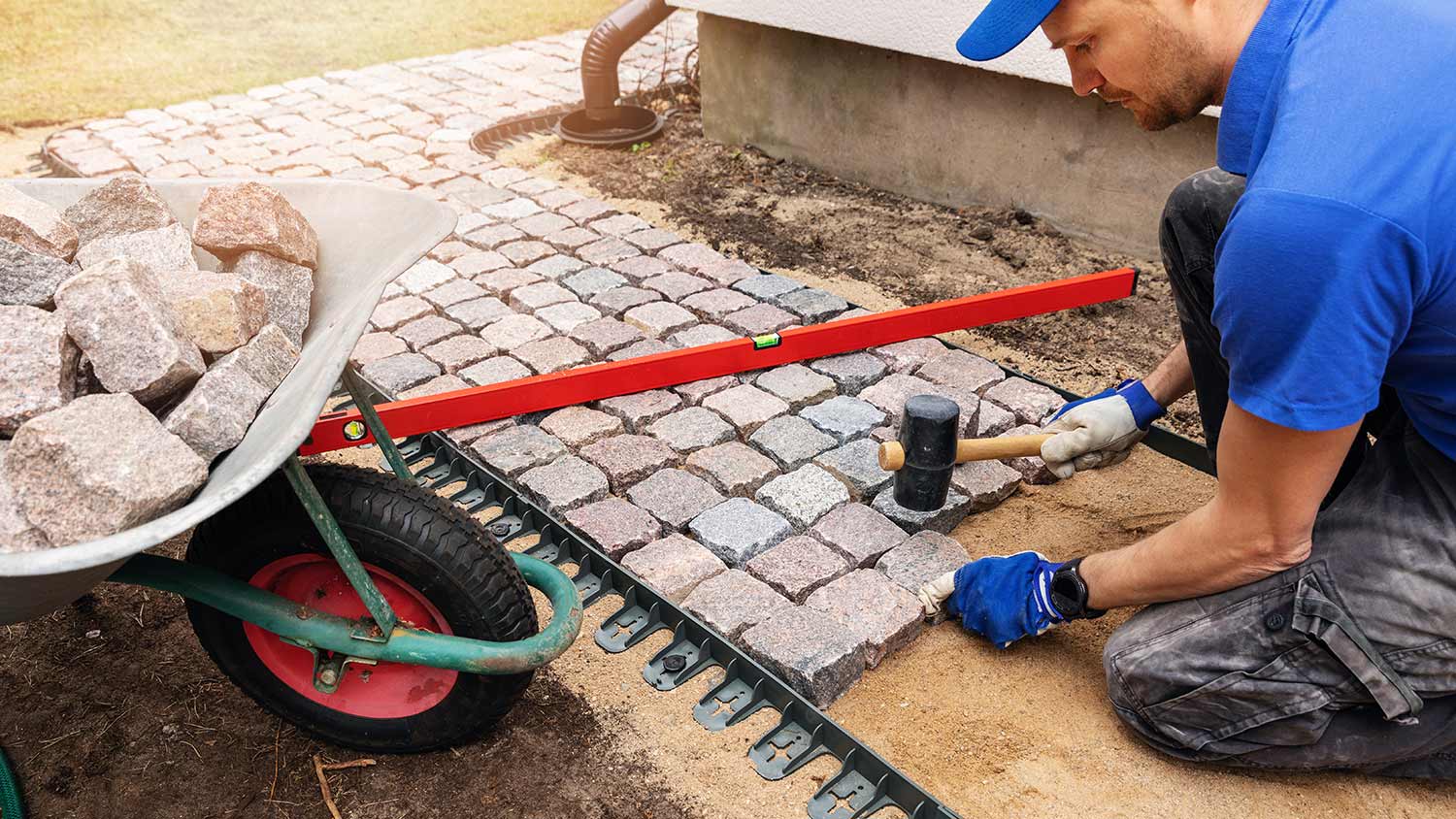
The best way to stop your pavers from sinking is to ensure you've properly compacted the base layers. Use your paver compactor and work over the base layer several times to create the hardest possible base. If the soil and sand of your base are compact, you’ll experience less shifting and sinking.
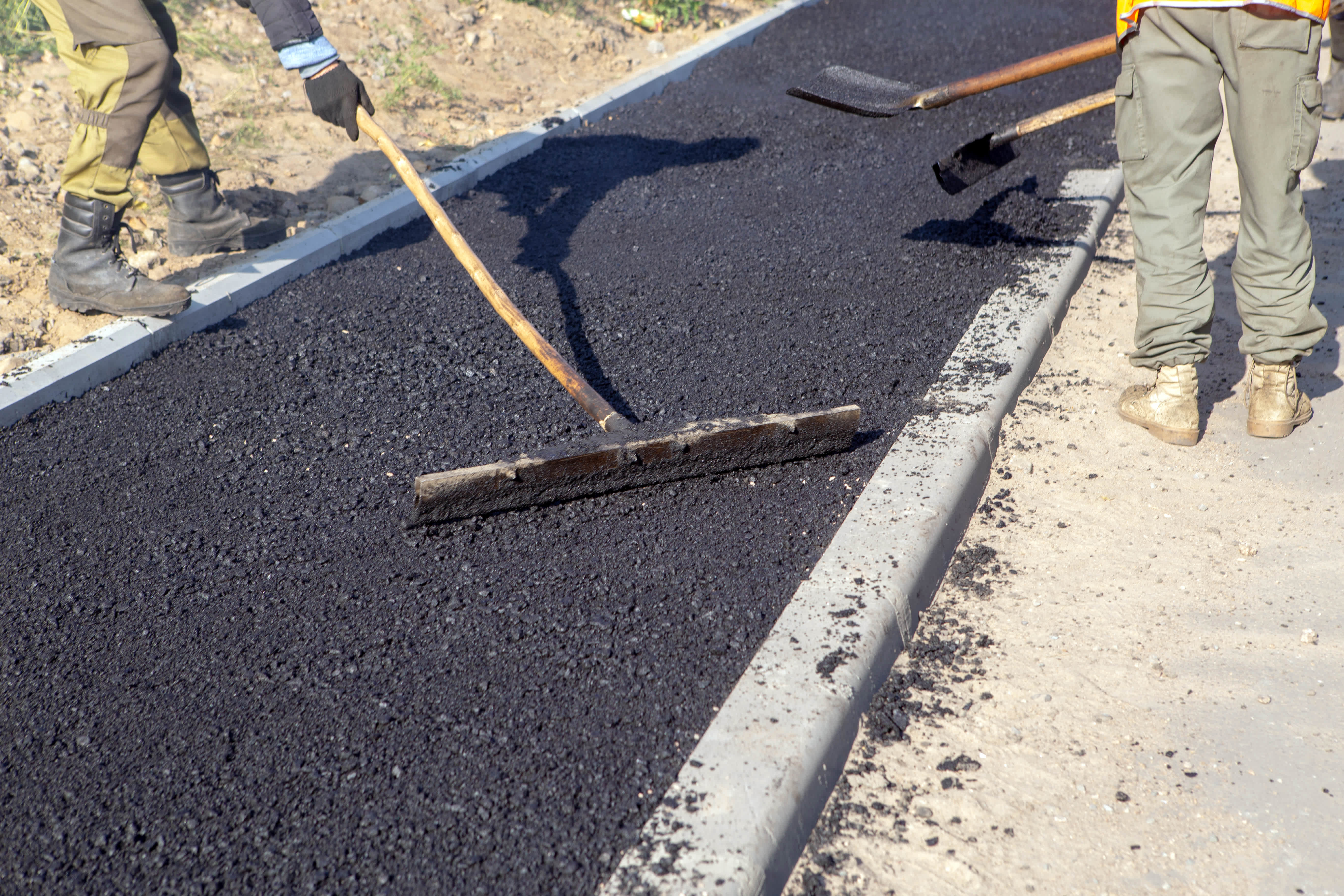
There’s no single best asphalt grade—it all comes down to where and how it’s used. Highways and heavy-traffic roads need something tough, like polymer-modified asphalt (PMA) or Stone Matrix Asphalt (SMA). Local roads and parking lots rely on the Performance Graded (PG) system, chosen based on climate. A PG 64-28 mix, for example, handles a broad temperature range while simpler, more cost-effective mixes are typically enough for residential driveways. The best grade of asphalt depends on traffic, weather, and your budget, which is why a professional’s input is always a smart move before making a decision.

The layer of polymeric sand under the pavers plus the polymeric sand that gets swept into the joints between your pavers holds them in place in a few ways. For one, the gritty texture of the sand helps lock the pavers together. Polymeric sand also contains bonding agents that get activated by water. Polymeric sand will take between 24 and 48 hours to fully cure, so do not walk on your paver walkway before this time.
To adhere pavers to concrete, you can use either mortar or a concrete-specific adhesive. For border pavers, a polyurethane-based adhesive is a good choice as it expands and contracts with temperature changes, keeping them firmly in place. For the non-border pavers, polymeric sand is used between the joints to prevent shifting. In most cases, it is also recommended to lay a permeable sand layer below the pavers to ensure proper stability and drainage. Before starting, always take the proper preparatory steps for a professional result.

Asphalt and tarmac are not the same thing. Traditional tarmac, short for tarmacadam, uses tar as a binder to hold crushed stone together. Asphalt uses bitumen—a byproduct of crude oil—to bind aggregate. Though tarmac was once a go-to for roads, asphalt has become the modern standard. And these days, most surfaces referred to as “tarmac” are actually asphalt. So, while the names may overlap, the key distinction lies in the binder—tar for tarmac and bitumen for asphalt.

The Caldwell, TX homeowners’ guide to paving services

From average costs to expert advice, get all the answers you need to get your job done.