






Crawford Excavation Services, LLC
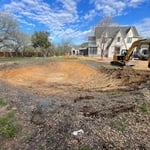
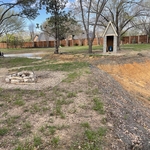
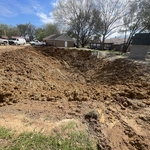
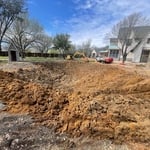
Building Site - Preparation and ClearingBuilding Site - Preparation and Clearing - For BusinessExcavation - Major Grading or Resloping+2 more
Serving Abilene, TX and surrounding areas
Approved
In business since 2021
Free estimates
Emergency services offered
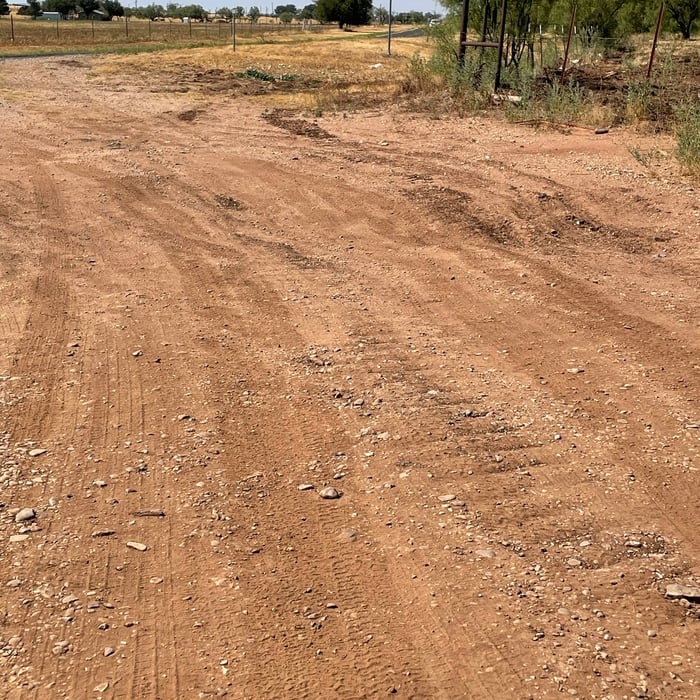
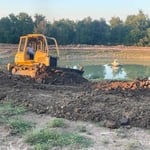
"The owner (Jake) came out to my ranch and quoted draining, clearing and expanding an existing 1 Acre pond/tank. He explained the size we could achieve by replacing the existing dam and capturing additional drainage. This was the third bid I received and were all within 10%. However the other two bids would have left me with a cleaned out, mud free 1 acre pond, and Jakes bid left me with a 3.7 acre 14 foot deep lake. After he completed the first existing pond/tank on my ranch I had him move on to another old existing tank/pond for cleaning and expansion. After completing the second 2 acre lake, I had him dig a new lake in a far corner of the ranch that caught run off that we were losing. This one ended up being 1.7 acres and has ended up being a duck magnet. We donâ t live there full time and jake did a great job of sending pictures and calling every other day to give updates. All the spillways were lined with rock that he saved from the excavation. Since all the lakes have been completed, I have had him freshen up and regrade some ranch roads, and clear pasture and fence lines. Would recommend him for any dirt project"
+95
Response time2 hrs
Response rate96%
Recommended by100%of homeowners