



Top-rated generator install pros.

Get matched with top generator install pros in Alice, TX

Enter your zip and get matched with up to 5 pros

Need a pro for your generator install project in Alice, TX?

Select your specific project to find the pro for you.

Find Generator install pros in Alice

Avatar for Elite Electric & Automatic Gate of South Texas
Elite Electric & Automatic Gate of South Texas
4.9(
39
)
Fixed Generator - InstallFixed Generator - RepairGenerator - Install+4 more

Serving Alice, TX and surrounding areas

In business since 1994

Free estimates

Emergency services offered

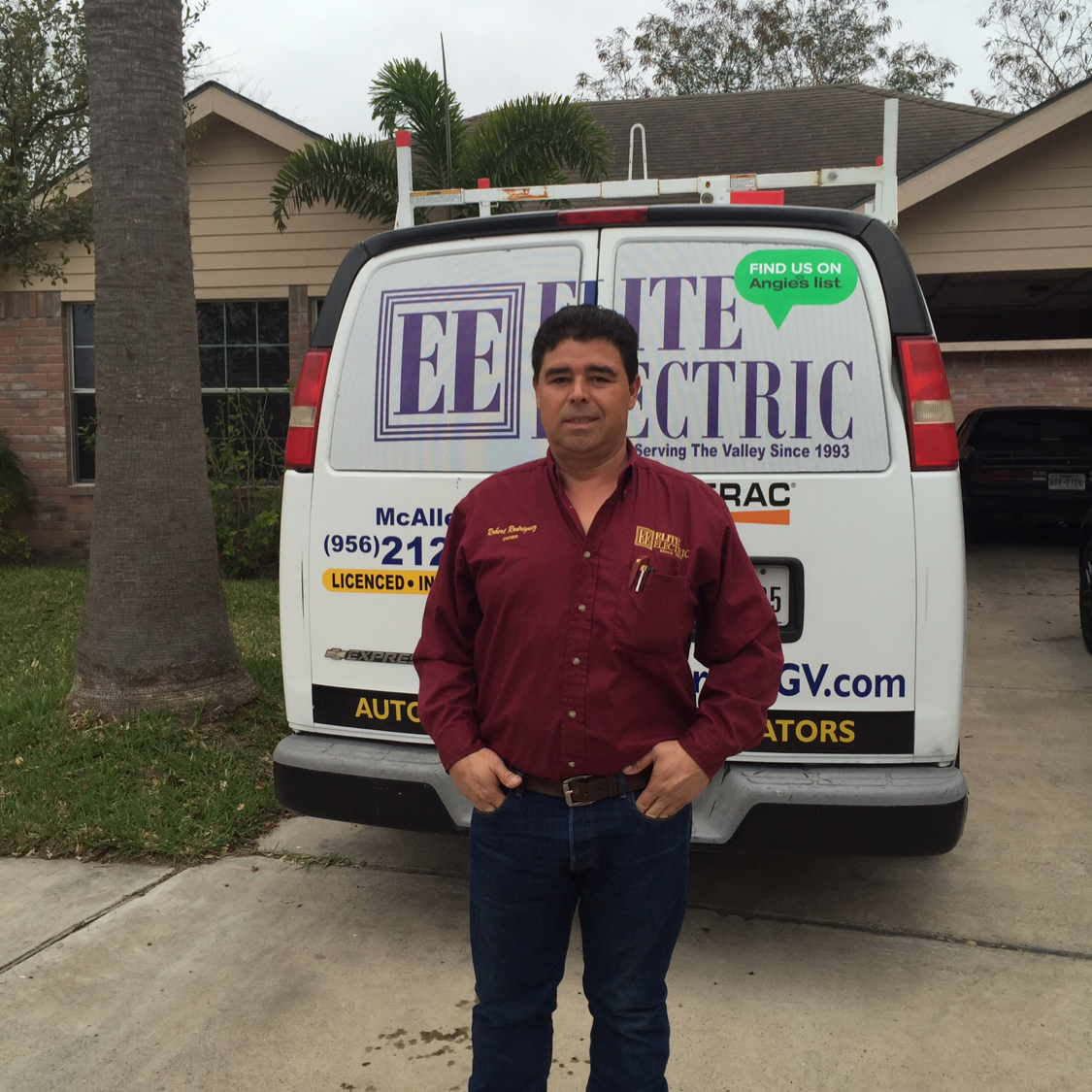
"Robert Rodriguez arrived 1:00 PM, April 12, 2017 to diagnose problems w our security lights. He switched out sensors, bulbs for two rather dated lights and installed a junction box where he found exposed wires. He's an excellent electrician and highly recommend him to anyone who needs electrical work performed in the Rio Grande Valley."
Additional Photos
Additional Photos
Additional Photos
Additional Photos
Additional Photos

+9

Recommended by100%of homeowners
Avatar for The Home Depot - Generators
The Home Depot - Generators
2.5(
1
)
Fixed Generator - Install

Serving Alice, TX and surrounding areas

In business since 2003

Free estimates

Small jobs welcome

Today, we're proud to be the world's largest home improvement retailer. In 2,300 stores across North America, we aspire to excel in service – to our customers, associates, communities and shareholders. That's what leadership means to us. That's The Home Depot difference.

Generators
Generators
Generators
Generator
Generators

+5

Showing 1-10 of 17
Generator Install questions, answered by experts

It’s usually better to repair your generator if it isn’t working properly, as it will typically be much more affordable and should yield similar results. Generator repairs cost around $300 on average, while installing a new whole-house generator costs around $5,000 on average. The only exception is if you know your generator is reaching the end of its useful life, usually between 30 and 40 years. If you have an older generator, you could face multiple repairs in the coming years, which might mean that a full replacement will be more cost-effective over time.

To reduce AC startup power for a whole-house generator, install a soft start kit or hard start capacitor, which lowers the initial surge by gradually ramping up the compressor. Using a smart load manager can also help by staggering startup loads, preventing a system overload and future costly repairs.

It might seem counterintuitive, but installing a generator transfer switch will save you money in the long run. While you’ll have to pay between $400 and $2,500 to have the transfer switch installed, you’ll recoup that amount later on when you don’t have to pay for expensive repairs to your appliances, devices, and electrical system that may have burned out, overloaded, or stopped working due to a sudden loss of power or an incorrect hook up of a generator to your home

To determine the right size generator for your house, you should calculate the total wattage of the appliances and devices you want to power during an outage. List all essential items, note their start-up wattages, and add them together.

Here are some typical wattage requirements for common appliances:

  • Refrigerator: 600 watts

  • Large dehumidifier: 700 watts

  • Large window air conditioner: 1,400 watts

  • Water heater: 3,000 to 4,500 watts

  • Electric furnace: 5,000 to 25,000 watts

A 7,500-watt generator might be sufficient for essentials like a refrigerator, freezer, well pump, and lighting circuits. However, for high-demand items like a water heater or furnace, a whole-home generator is a better choice. A portable generator may be enough if you only need to power a few critical items.

While home square footage can offer a rough estimate, it is not always a reliable indicator. For reference, here are some typical generator sizes based on square footage:

  • 1,000 sq ft: 6–9 kW

  • 1,500 sq ft: 7–10 kW

  • 2,000 sq ft: 10–14 kW

  • 2,500 sq ft: 12–16 kW

  • 3,000 sq ft: 16–20 kW+

For the most accurate sizing, consult a professional who can calculate your home's peak and average power consumption and recommend the optimal generator.

Energy output depends on turbine size, average wind speed at your site, and system efficiency. A 5 kW turbine in a good wind location can generate 8,000 to 12,000 kilowatt-hours per year, which may cover a large portion of an average home’s needs. Accurate output estimates require a professional wind assessment and a review of your household’s energy usage patterns.

The Alice, TX homeowners’ guide to generator installs

From average costs to expert advice, get all the answers you need to get your job done.