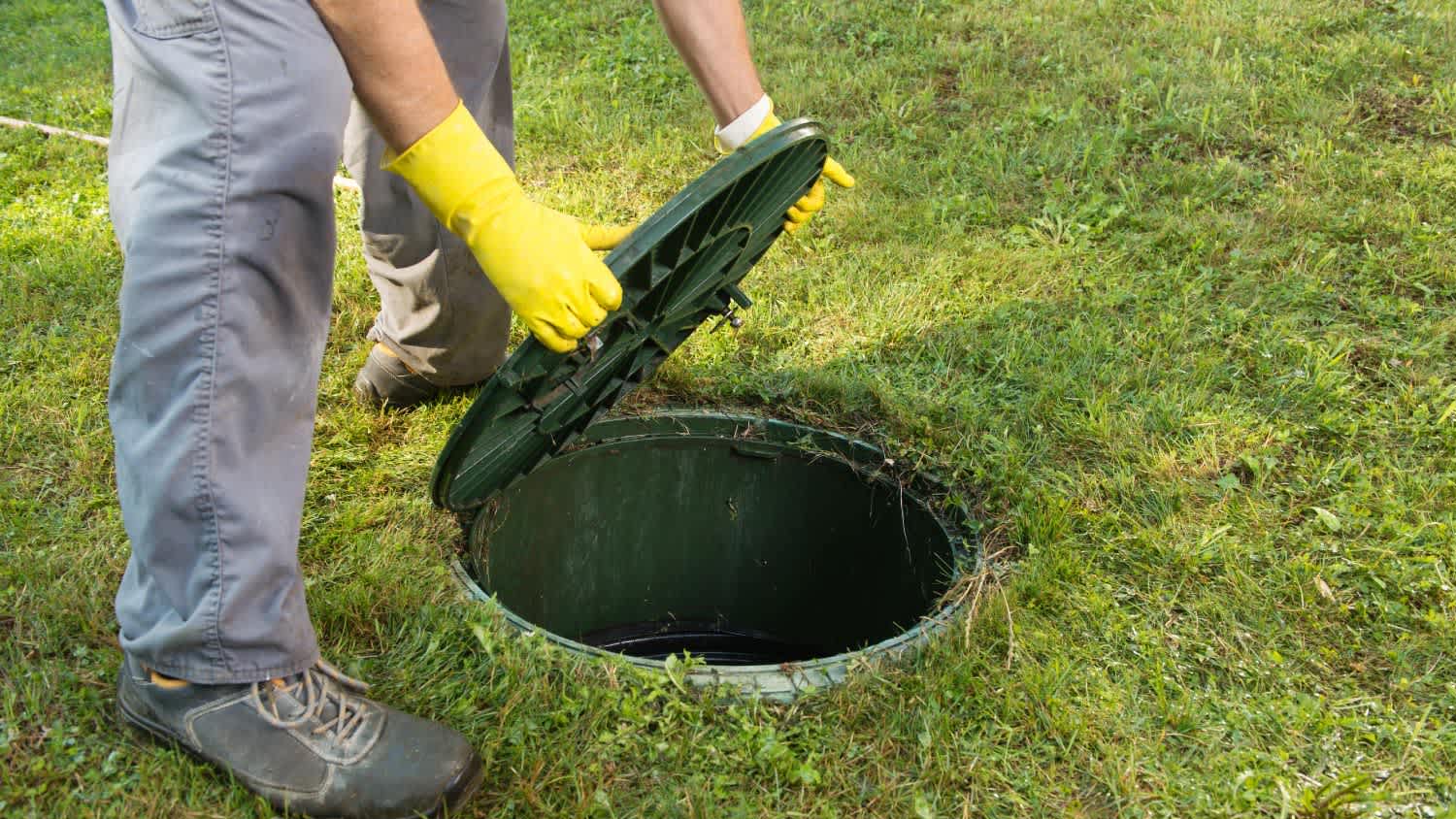
Asbestos testing is conducted by collecting samples from materials suspected to contain asbestos and analyzing them in laboratories for confirmed presence.
Asbestos testing takes place in two stages—collection and lab testing. Collection can take less than 20 minutes if a professional manages to get a direct sample. If air samples are required, then the pro will set up a testing device and return to collect it. In both cases, the sample is sent to a lab and results are confirmed or denied usually within one to two days.
Professionals use specialized equipment and techniques to detect asbestos, radon, and VOCs.
No, you do not have to worry about new popcorn ceilings having asbestos. All residential building materials used since the mid-1980s stopped including asbestos, so new popcorn ceilings have no risk of asbestos. You can still create a textured drywall ceiling with a popcorn texture if you like, but new techniques have no risk of adding asbestos.
Even a single, one-time exposure to asbestos can be harmful and pose health risks. According to the EPA, any contact can increase the risk of developing asbestos-related diseases and certain types of cancer, although the likelihood of severe health issues increases with repeated or prolonged exposure.
The severity of a single exposure depends on factors like the duration, intensity, and concentration of the asbestos fibers. While a small amount is less likely to cause significant damage, a high concentration can lead to serious long-term lung damage. Individual reactions vary, and asbestos-related illnesses may not appear for 10 to 40 years after inhalation.
Given these risks, always take precautions around any material suspected to contain asbestos. Personal protective equipment (PPE) may not be completely effective. If you suspect asbestos is in your home, hire a professional for testing and removal. If you are worried about a potential exposure, consult your doctor.
The Oldfort, TN homeowners’ guide to percolation testing services
From average costs to expert advice, get all the answers you need to get your job done.
Most building projects and septic installations require soil testing to ensure proper drainage. Learn how much a perc test costs and what affects costs.

A perc test for septic analyzes the absorption rate of the soil where a tank is going to be installed. Learn more about the test, cost, and passing grades.