

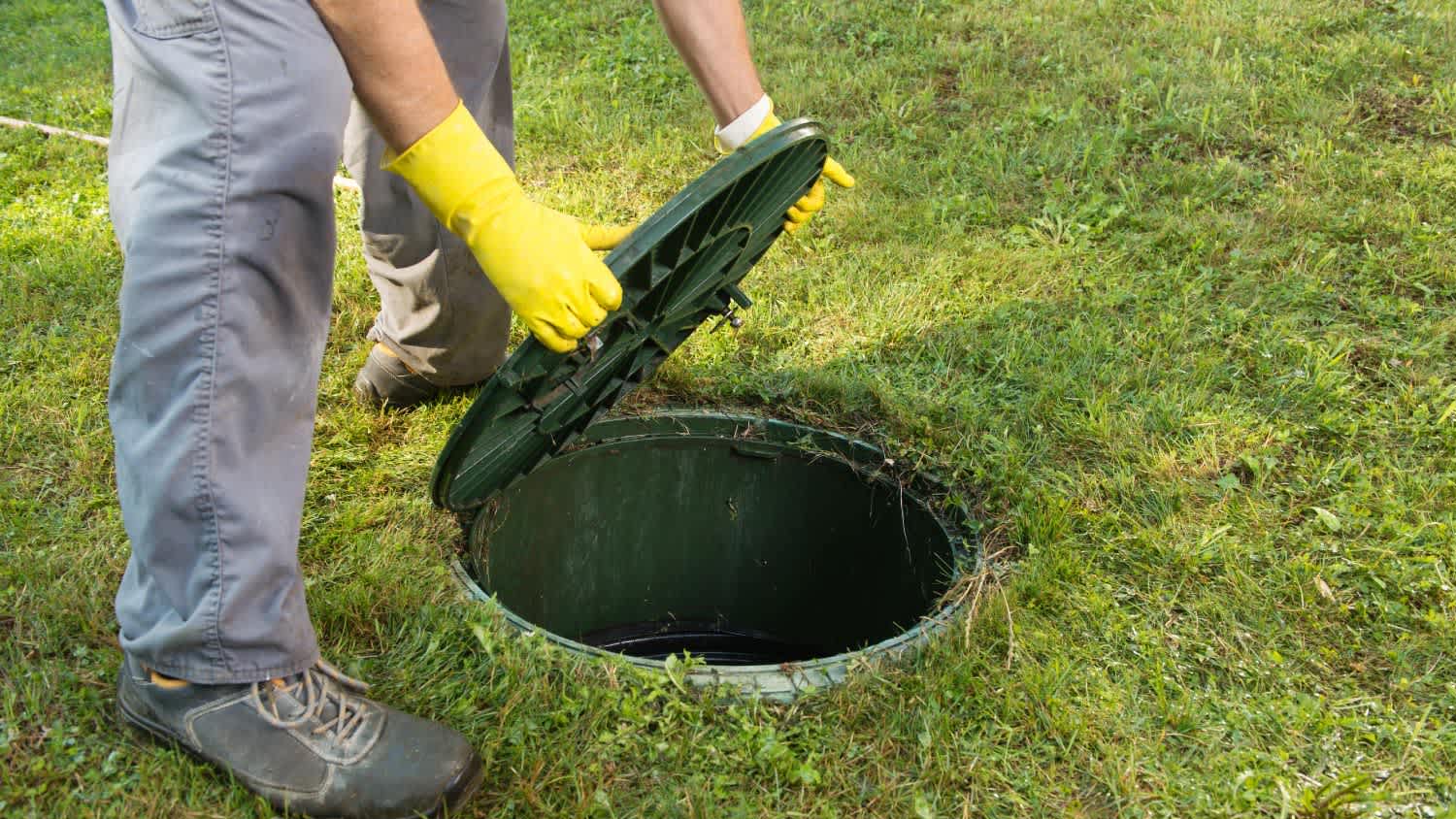
Top-rated percolation testing pros.

Get matched with top percolation testing pros in Ellijay, GA

Enter your zip and get matched with up to 5 pros

Need a pro for your percolation testing project in Ellijay, GA?

Select your specific project to find the pro for you.

TRUSTED BY ELLIJAY, GA HOMEOWNERS

  • Average homeowner rating star icon4.7
    Average homeowner rating
  • Verified reviews icon519
    Verified percolation testing services reviews

Find Percolation testing pros in Ellijay

No results for Percolation testing pro in

Try adjusting your search criteria.
Percolation Tests questions, answered by experts

Since the EPA partially banned asbestos in 1989, it is no longer used to manufacture new siding in the United States; production had largely ceased by the early 1980s. Many other countries, such as Canada, Iceland, and Denmark, also have bans on asbestos. However, asbestos siding is still present in many homes built before the late 1980s. The only definitive way to know if your siding contains asbestos is to have it professionally lab-tested.

No, not all popcorn ceilings have asbestos, but a vast majority do. The Environmental Protection Agency (EPA) banned its use in 1973, although it still may have been used up through the early ‘90s. But, in general, homes built or remodeled before the early ‘80s likely utilized materials with asbestos. That being said, a professional test is the only way to determine for sure.

If you think you’ve touched asbestos, do not put on a mask. This is important because you may take the asbestos fibers on your hands on trap them in the mask. Make your way to a sink and wash your hands thoroughly. Remove any clothes and seal them in a bag, then take a shower. Call your doctor and let them know you’ve been exposed to asbestos, and make sure you see them as soon as possible. The reason you keep the clothes is in case anyone wants to confirm the presence of asbestos.

In the 1980s, the use of asbestos in house siding materials underwent a significant decline, ultimately being phased out by the mid-1980s to early 1990s. This change was largely due to a growing awareness of the severe health risks associated with asbestos exposure, particularly its link to lung diseases and cancers. With increased public concern and regulatory agency involvement, building codes and regulations were updated to restrict the use of asbestos in construction materials. 

Epoxying over asbestos tiles is generally considered a safe option when done correctly. Epoxy acts as a sealant, encapsulating the asbestos tiles and preventing the release of asbestos fibers into the air. The key is ensuring that the asbestos tiles are in good condition, firmly adhered to the substrate, and not damaged or deteriorating. This method is only appropriate for tiles that are undamaged and securely in place. If the asbestos tiles are already loose, damaged, or deteriorating, encapsulating them with epoxy may not be a sufficient solution, as it might not address the potential for ongoing asbestos exposure.

The Ellijay, GA homeowners’ guide to percolation testing services

From average costs to expert advice, get all the answers you need to get your job done.