






Top-rated generator install pros.

Best generator install pros near Cosby, TN

Enter your zip and get matched with up to 5 pros

Need a pro for your generator install project in Cosby, TN?

Select your specific project to find the pro for you.

Top-Rated Generator install pros in Cosby - Updated Nov 2026

Baggetts Electrical Services
5.0(
5
)
Fixed Generator - InstallFixed Generator - RepairGenerator - Install - For Business+2 more

Serving Cosby, TN and surrounding areas

Approved

Emergency services offered

Warranties offered

Small jobs welcome

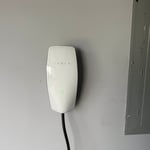
"I had a car charger installed and was really happy with the work. He was responsive, showed up when he said he would, and the install came out clean and professional. Everything was explained clearly, the work area was left neat, and the charger works exactly as it should. Definitely someone I?d recommend if you need electrical work done."
3 neighbors recently requested a quote
Alternative Electrical Services
4.3(
3
)
Portable Generator - Install

Serving Cosby, TN and surrounding areas

Approved

In business since 2022

Free estimates

Credit card accepted

"Doug is reliable.. when he says he will be there.. he is... when he gives you an estimate it's more then fair and very close to what he thought it would be. He knows his stuff and he is very personable too. You don't get that with many trades people. I would hire him again and would recommend him highly to everyone I know"
Response time2 days
Recommended by100%of homeowners
Showing 1-10 of 25
Generator Install FAQs, answered by experts

To determine the right size generator for your house, you should calculate the total wattage of the appliances and devices you want to power during an outage. List all essential items, note their start-up wattages, and add them together.

Here are some typical wattage requirements for common appliances:

  • Refrigerator: 600 watts

  • Large dehumidifier: 700 watts

  • Large window air conditioner: 1,400 watts

  • Water heater: 3,000 to 4,500 watts

  • Electric furnace: 5,000 to 25,000 watts

A 7,500-watt generator might be sufficient for essentials like a refrigerator, freezer, well pump, and lighting circuits. However, for high-demand items like a water heater or furnace, a whole-home generator is a better choice. A portable generator may be enough if you only need to power a few critical items.

While home square footage can offer a rough estimate, it is not always a reliable indicator. For reference, here are some typical generator sizes based on square footage:

  • 1,000 sq ft: 6–9 kW

  • 1,500 sq ft: 7–10 kW

  • 2,000 sq ft: 10–14 kW

  • 2,500 sq ft: 12–16 kW

  • 3,000 sq ft: 16–20 kW+

For the most accurate sizing, consult a professional who can calculate your home's peak and average power consumption and recommend the optimal generator.

A portable generator can supply power to selected appliances and circuits in a home, but it's generally not designed to handle the entire household's electrical needs simultaneously. Portable generators have limited wattage capacity, so they are only designed to power essential devices and electronics temporarily until local power is restored. If your power needs outweigh the capabilities of a portable generator, consider installing a whole-home generator instead.

You can expect a diesel generator to last for up to 30,000 hours of use, which works out to 20 to 25 years with the proper maintenance, of course. That depends on how much you use it, so a diesel generator used for emergencies a couple of times a year will last a lot longer than a generator that takes over for a faulty electrical grid every month for a day or two. 

Yes, natural gas generators can work without electricity. Natural gas generators are a common type of backup or whole-house generator that operates when the electrical grid isn’t working. The trick is using a transfer switch (which usually needs to be installed with the generator) that safely switches the home electrical system from the power grid to generator power when needed.

If your home already has a grinder pump and you’re still noticing issues (like frequently clogged toilets and sinks), it could be time to upgrade your grinder pump. Start by checking your existing horsepower. If there are four or fewer people living in your home, using a 1/2-horsepower grinder pump should be sufficient. Larger households should consider investing in a 1-horsepower grinder pump to maximize wastewater removal efforts.

The Cosby, TN homeowners’ guide to generator installs

From average costs to expert advice, get all the answers you need to get your job done.