





Top-rated radon detection and reduction specialists.

Best radon detection and reduction specialists near Brownsville, TN

Enter your zip and get matched with up to 5 pros

Need a pro for your radon detection and reduction project in Brownsville, TN?

Select your specific project to find the pro for you.

Top-Rated Radon detection and reduction specialists in Brownsville - Updated Nov 2026

Avatar for Horton Restoration Service
Horton Restoration Service
4.3(
4
)
Radon Gas - Testing

Serving Brownsville, TN and surrounding areas

In business since 2002

Free estimates

Emergency services offered

"Everything went as planned. Mr Horton and his crew were on time and the job was preformed as planned.. They did an excellent job removing the mold and cleaning up. Mr Horton knows his trade and does an outstanding job explaining the process."
Mold Remediation Project
Remodeling - General Project
Mold Remediation Project

+18

Response time2 days
Response rate100%
Recommended by75%of homeowners
Radon Detection and Reduction FAQs, answered by experts

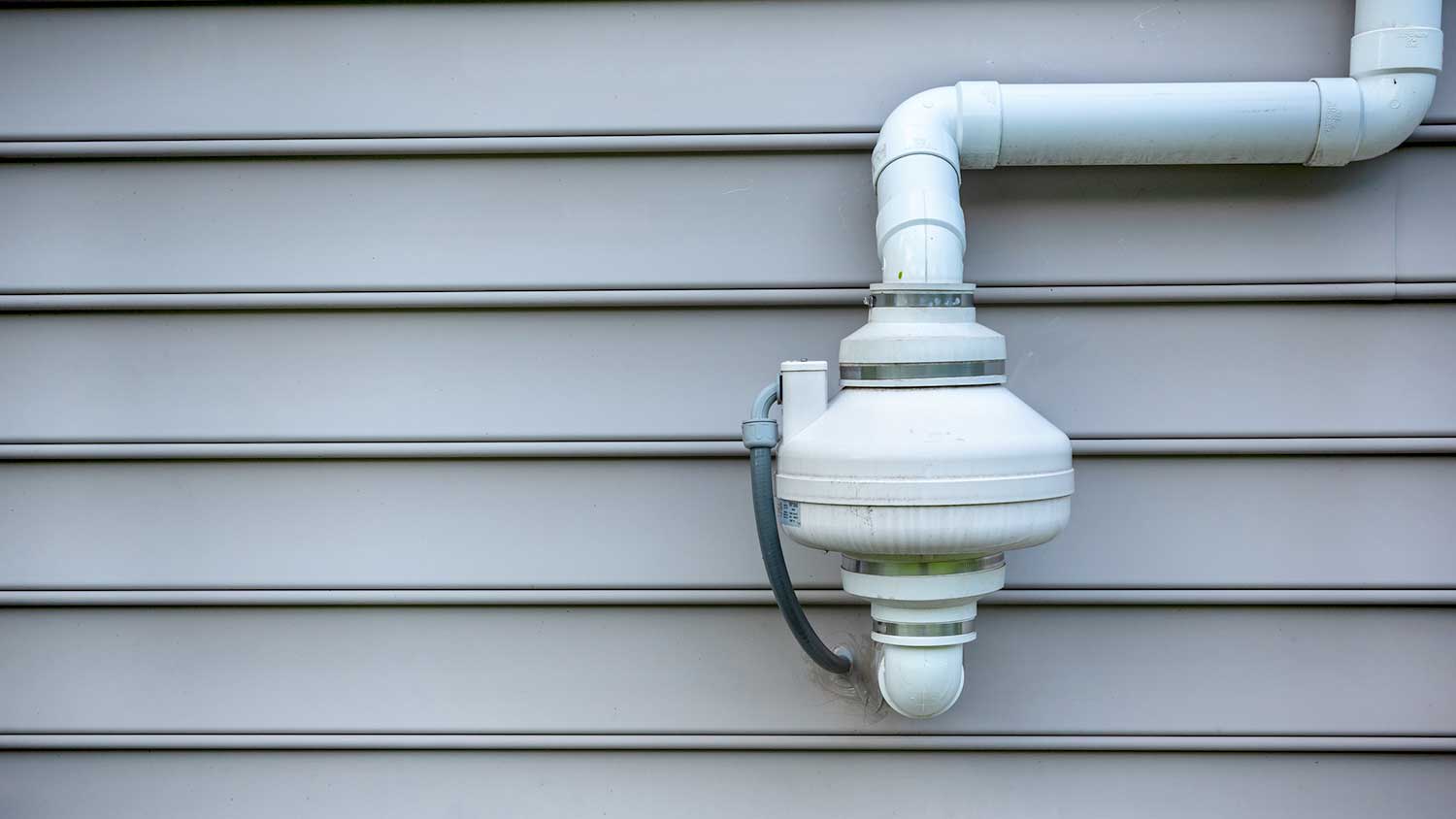
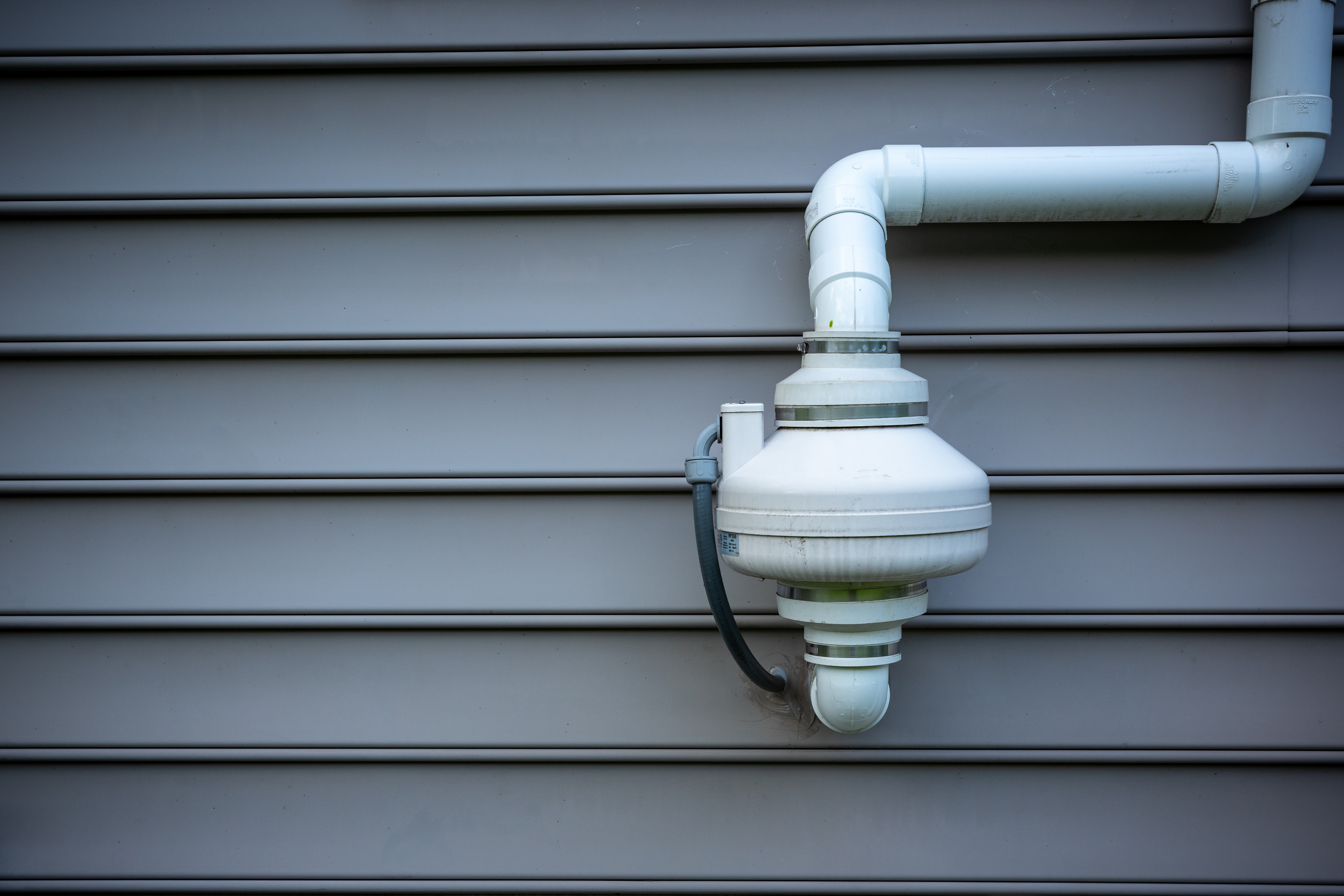
Installing a mitigation system reduces radon levels, which can cause lung cancer, providing peace of mind and long-term health benefits. It can also increase your home’s value, as many buyers prefer properties with radon safety measures in place. The investment is relatively low compared to the potential health risks associated with prolonged radon exposure.

Radon enters your home when warm air begins to rise and exits through the roof, creating a vacuum that pulls cooler air from under the foundation. Part of that air is radon, which is an invisible, odorless gas that develops naturally when radioactive particles are deep within the ground. Those particles usually come from decaying matter in soil and rocks.

Long-term exposure increases lung cancer risks. Prolonged homestay individuals and smokers encounter heightened vulnerability and exposure concerns.

The lifespan of a radon mitigation system depends on the type of system and its maintenance. With proper care, a system can last for many decades. Passive systems tend to last longer as they have fewer components that require replacement. Active systems, which have more moving parts like fans, generally have a shorter lifespan. For instance, water filtration devices and active pressurization systems require more frequent maintenance. While the system as a whole is durable, the radon fan in an active system typically has a lifespan of 5 to 10 years and will need to be replaced. As long as the fan is working, the mitigation system should function correctly.

The soil beneath your house is most likely what’s causing an increased level of radon. This is because soil holds radioactivity for a long time and it’s also what most buildings are built on. Another common source of radon is water from a source that hasn’t been through periodic radon tests, such as well water. Over time, the radon from the soil can inhabit other parts of your house like the foundation or plumbing.

The Brownsville, TN homeowners’ guide to radon detection and reduction services

From average costs to expert advice, get all the answers you need to get your job done.