




Top-rated lead testing and removal specialists.

Get matched with top lead testing and removal specialists in Antioch, TN

Enter your zip and get matched with up to 5 pros

Need a pro for your lead testing and removal project in Antioch, TN?

Select your specific project to find the pro for you.

Find Lead testing and removal specialists in Antioch

Avatar for Absolute Environmental Contractors, LLC
Absolute Environmental Contractors, LLC
3.3(
18
)
Toxic Lead - Abatement

Serving Antioch, TN and surrounding areas

In business since 2005

Free estimates

Emergency services offered

"I was very pleased with your services. It appears the application was applied properly, and the folks that provided the services were clean neat and prompt. The final inspection after the work was completed with Patrick, was also impressive as the company took the time to answer my questions, and also viewed the crawl space with me during the inspection. Very pleased. Thanks, Robert Rodgers"
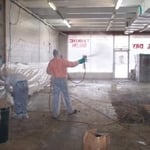
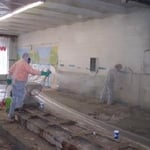
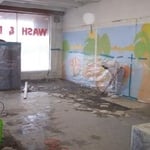
Set Up and Spray
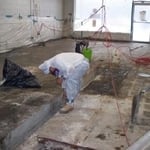
Floor Tile Removal
Floor Tile Removal 2
Detailed Cleaning
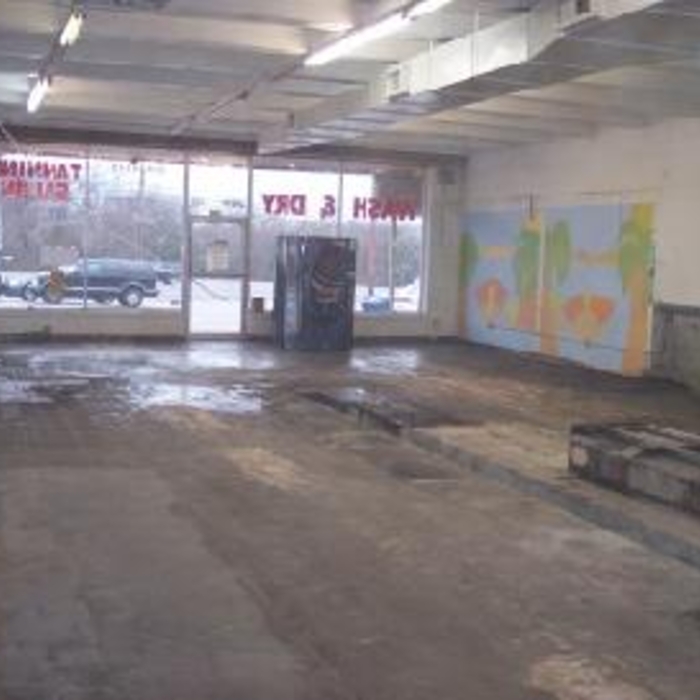
Project Complete

+1

Recommended by84%of homeowners
Lead Testing and Removal questions, answered by experts

The average cost of a lead paint inspection is about $600, but it can cost as low as $150 or as much as $800, depending on the size of the area, geographic location, and the inspection methods. Some of the most common lead paint inspection methods include:

  • Visual inspection: $150–$400

  • Paint sampling: $200–$600

  • X-ray fluorescence (XRF): $250–$700

  • Risk assessment: $300–$800

You can expect to pay between $200 and $400 for a lead inspection, where your local lead testing pro will scan surfaces and items with an X-ray fluorescent analyzer. Lead risk assessments are slightly different and run around $800 to $2,000. A pro may find lead during an evaluation, and create a removal strategy.

According to the Environmental Protection Agency (EPA), hazardous waste is generally classified into four main categories:

1. Characteristic Wastes: These exhibit at least one of four hazardous traits: ignitability (flammable, like gasoline), corrosivity (can rust or decompose materials, like car batteries), reactivity (unstable and can explode, like aerosol cans), or toxicity (harmful when ingested, like lead-based paint).

2. Listed Wastes: These are specific wastes from manufacturing and industrial processes that the EPA has officially designated as hazardous. They include byproducts from processes that use solvents, pesticides, and other chemicals.

3. Universal Wastes: These are commonly generated hazardous items that are subject to streamlined regulations. Examples include batteries, pesticides, mercury-containing equipment (e.g., bulbs), and some lamps.

4. Mixed Wastes: This category includes waste that contains both hazardous and radioactive components, making it subject to regulation by both the EPA and the Nuclear Regulatory Commission.

Iron sediments from rusty pipes are not likely to cause health problems. While a glass of yellow-hued water is off-putting, it is generally safe to drink yellow water in the short term. But you certainly want to address this problem. In the meantime, switching to bottled water until the yellow water issue is resolved is a good idea. 

If the lead paint is in a place that is not easily disturbed and is not flaking or deteriorating, you do not necessarily need to remove it. Lead is toxic when dust particles or flakes from peeling lead paint are ingested. If people are not in the area with the lead paint, it may be safe to leave it in place. You still may want to consider encapsulation with a paint formulated for covering lead-based paint, just for an added layer of protection.

The Antioch, TN homeowners’ guide to lead testing and removal services

From average costs to expert advice, get all the answers you need to get your job done.