Top-rated lead testing and removal specialists.

Best lead testing and removal specialists near Forest Hills, TN

Enter your zip and get matched with up to 5 pros

Need a pro for your lead testing and removal project in Forest Hills, TN?

Select your specific project to find the pro for you.

Top-Rated Lead testing and removal specialists in Forest Hills - Updated Nov 2026

Avatar for Absolute Environmental Contractors, LLC
Absolute Environmental Contractors, LLC
3.3(
18
)
Toxic Lead - Abatement

Serving Forest Hills, TN and surrounding areas

In business since 2005

Free estimates

Emergency services offered

"I was very pleased with your services. It appears the application was applied properly, and the folks that provided the services were clean neat and prompt. The final inspection after the work was completed with Patrick, was also impressive as the company took the time to answer my questions, and also viewed the crawl space with me during the inspection. Very pleased. Thanks, Robert Rodgers"
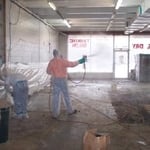
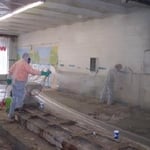
Set Up and Spray
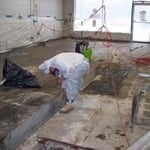
Floor Tile Removal
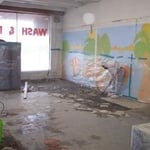
Floor Tile Removal 2
Detailed Cleaning
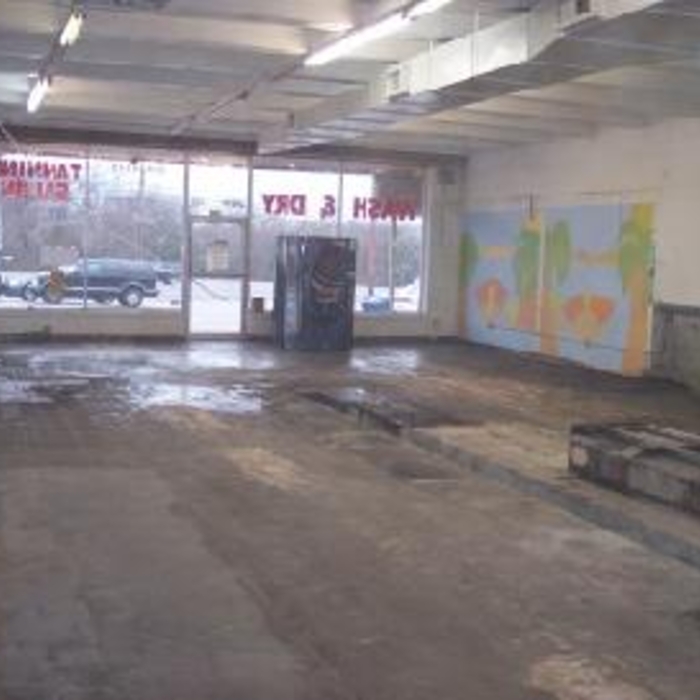
Project Complete

+1

Recommended by84%of homeowners
Lead Testing and Removal FAQs, answered by experts

How you test for lead in your water depends on the source of your home's water supply. If you have municipal water, your local water system may offer to test the water for free or may connect you to a lab that will perform the testing.

If you have a private well that provides drinking water, you are responsible for testing it for lead. Look for a lab that is accredited by your state's Department of Environmental Protection to perform the test.

Lead removal is crucial in older homes to eliminate risks of lead poisoning, which can severely affect health, particularly in children, by impacting development and cognitive functions.

According to the Environmental Protection Agency (EPA), hazardous waste is generally classified into four main categories:

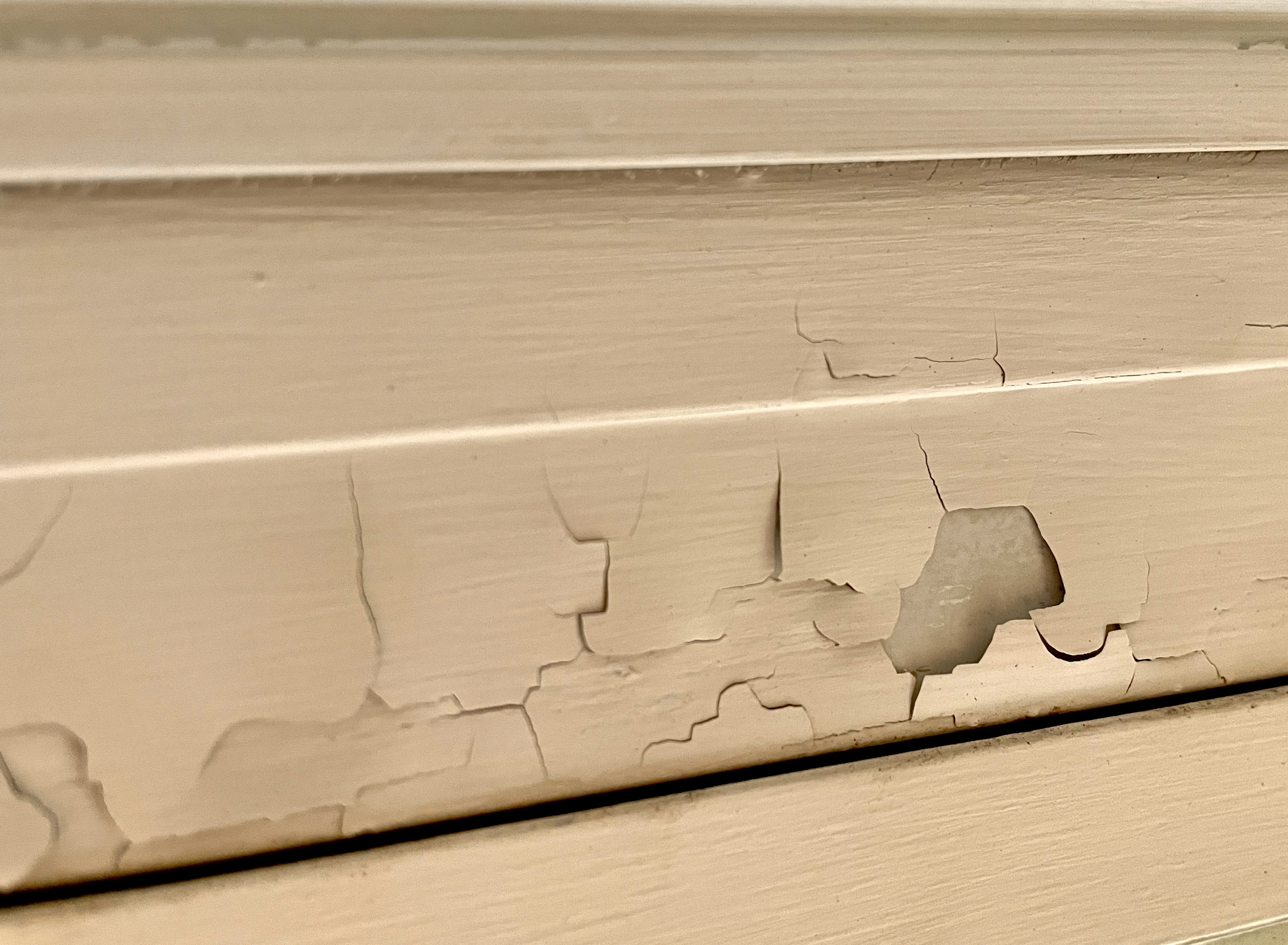
1. Characteristic Wastes: These exhibit at least one of four hazardous traits: ignitability (flammable, like gasoline), corrosivity (can rust or decompose materials, like car batteries), reactivity (unstable and can explode, like aerosol cans), or toxicity (harmful when ingested, like lead-based paint).

2. Listed Wastes: These are specific wastes from manufacturing and industrial processes that the EPA has officially designated as hazardous. They include byproducts from processes that use solvents, pesticides, and other chemicals.

3. Universal Wastes: These are commonly generated hazardous items that are subject to streamlined regulations. Examples include batteries, pesticides, mercury-containing equipment (e.g., bulbs), and some lamps.

4. Mixed Wastes: This category includes waste that contains both hazardous and radioactive components, making it subject to regulation by both the EPA and the Nuclear Regulatory Commission.
Some of the signs that could mean your water is contaminated, such as cloudiness or bubbliness, could also be non-problems that don’t affect your water’s potability. However, if your water smells or tastes strange, it’s a good idea to stop drinking it and test it immediately. If your well water is contaminated, the best way to discover that is to test it.

Government regulations such as the EPA and OSHA govern lead removal procedures to ensure health and environmental safety during and after abatement.

The Forest Hills, TN homeowners’ guide to lead testing and removal services

From average costs to expert advice, get all the answers you need to get your job done.