We pride our company on reliability, great communication, integrity, and quality work. We are experts in our trade and will do our best to keep you as educated as we can on your particular task or project. We look forward to earning your business! Book with us online or feel free to give us a call today!
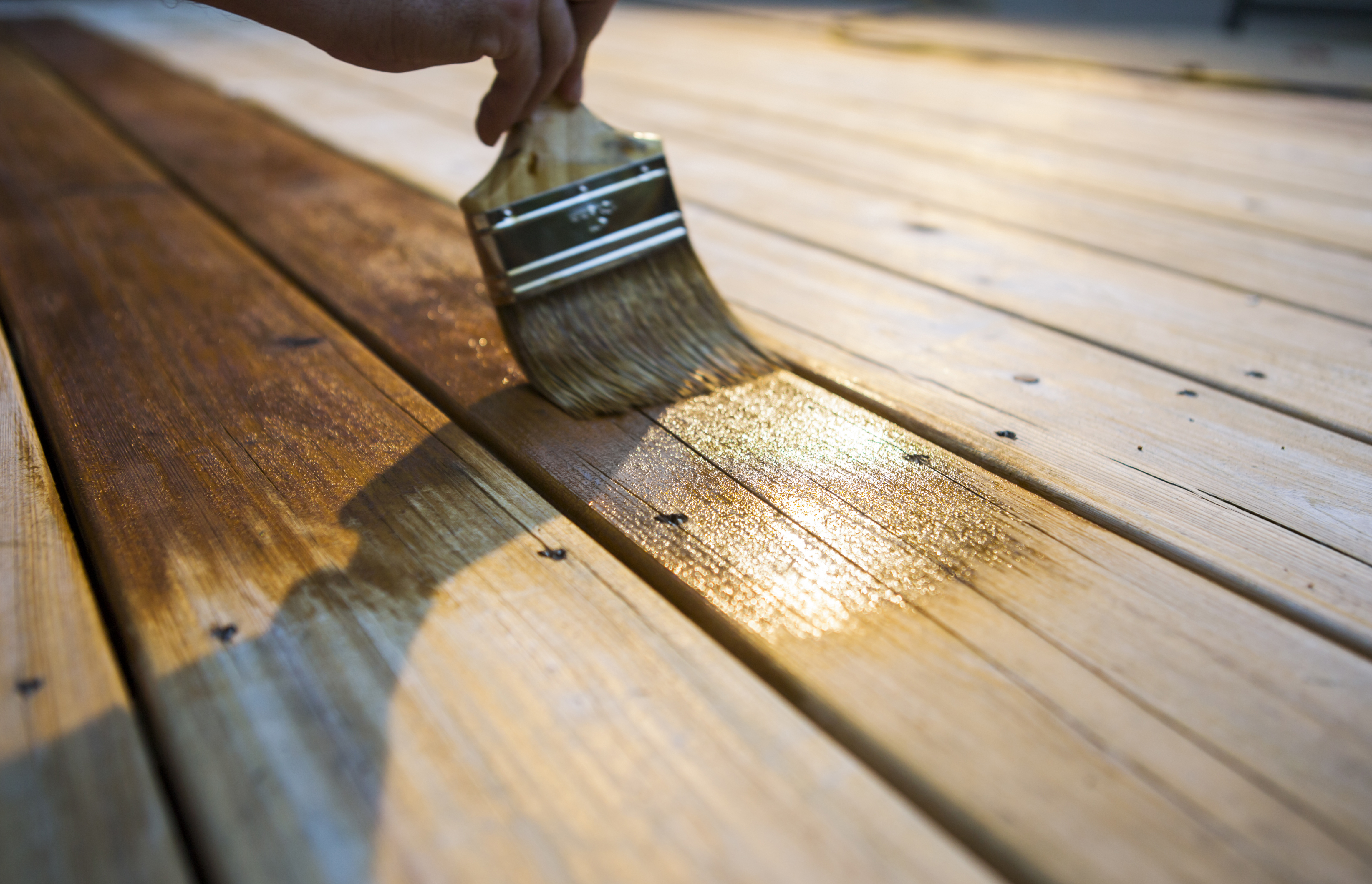
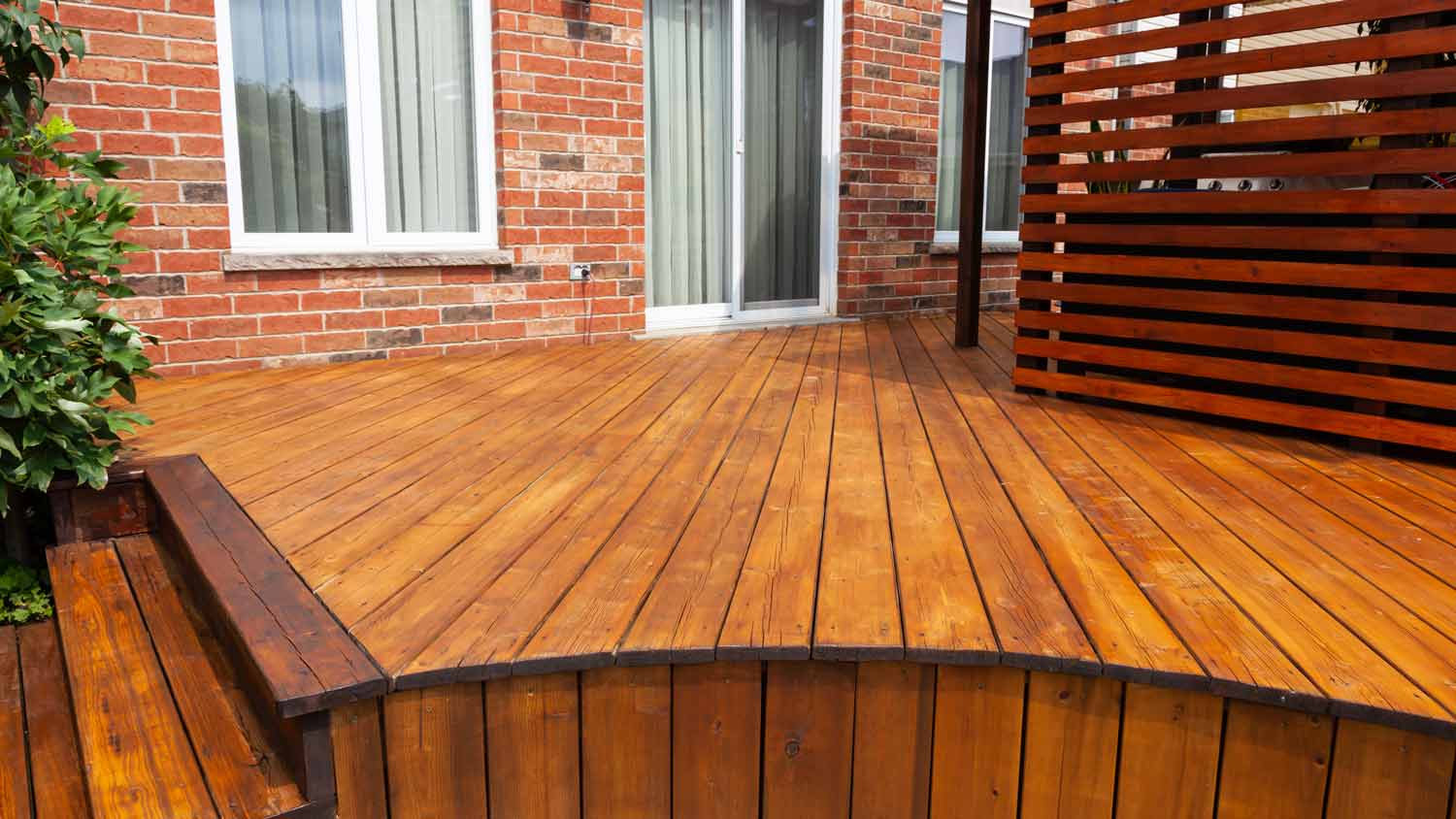
Fence and Deck Restoration \n\n\nAt Dakota Petriwood we specialize in exterior wood care. Our restoration services include cleaning, and sealing outdoor structures such as fences, arbors, decks, and play sets.\n\nRestoring is the key to protecting the woods natural beauty and original form.\n\nBenefits of sealing your fence:\n\nWaterproofs Wood \nExtends Wood Life\nMold, Mildew, and Fungus Resistant \nPrevent Cracking and Splitting, Rotting\nPrevent Carpenter ants, and Termites\n\n(Not Sold in Stores)\n\nCall us at 605-951-0045 or visit www.dakotapetriwood.com
Yes, Ipe is more expensive than Trex decking—both in terms of materials and installation (plus, Ipe trees are endangered). On average, Ipe decking costs $10 to $25 per square foot, while Trex decking costs $5 to $12 per square foot. Because Ipe is harder to work with, the price of installation is higher, too. For Ipe decking, you’ll pay between $20 and $45 per square foot for labor. However, with Trex decking, the labor costs range from $8 to $22 per square foot.
When sourced responsibly, the most sustainable wood decking options are timber trees like redwood, pine, Douglas fir, Nootka cypress, and Western red cedar. These tree species are fast-growing with low carbon emissions. Plus, most timber woods make durable deck materials because of their resistance to rot and decay over time.
In most cases, your deck will need some form of deck footing to hold it in place, preventing moisture from rotting your wood and decreasing your deck’s lifespan. Concrete deck blocks are the most common type of footing for floating decks. Some homeowners use ground-level deck footings. For added security, consider digging and laying your ground-level footings below ground.
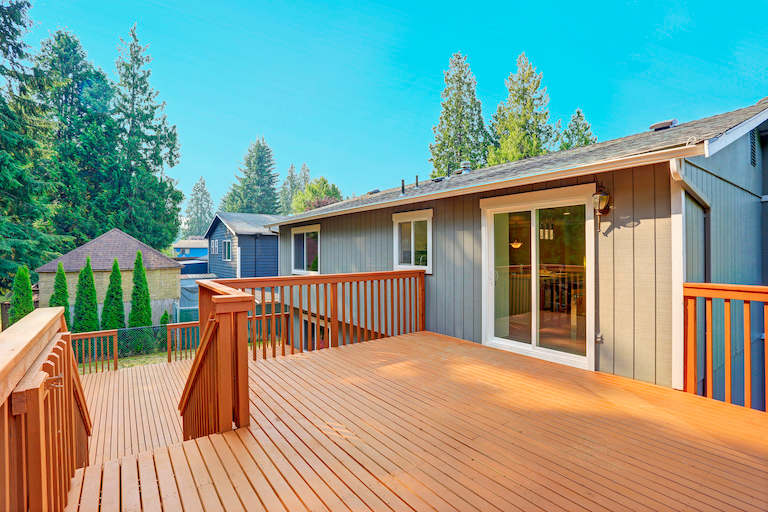
There are a variety of second-story deck privacy ideas depending on your budget and aesthetic. For starters, you might consider fencing or tall privacy railing that masks a good portion of the open deck. A pergola or an awning can provide additional cover and shade. Outdoor curtains are an easy way to add or remove privacy at your convenience, plus they’re a wallet-friendly way to decorate your deck.
Pressure-treated wood contains preservatives that give the material internal protection from rot and pests. Untreated lumber won’t last more than a few years unless you choose a more expensive wood, like cedar, that naturally stands up well to moisture. Composite decking can outlast wood but is more expensive and doesn’t look as natural. Keep in mind that you’ll need to seal any exterior wood product to protect it from the elements and other forms of external damage.
The White River, SD homeowners’ guide to deck cleaning services
From average costs to expert advice, get all the answers you need to get your job done.
Refinishing your deck is a great way to restore its appearance and fall in love with your outdoor space. Use this guide to learn how much it costs based on factors like size and type.
Learn how to clean a deck before staining to ensure long-lasting adhesion, weatherproofing, and optimum appearance of this coloring and protecting treatment.
Deck maintenance is vital to protecting a wooden deck. Cleaning, staining and sealing a deck after pressure washing will add years to its lifespan. Protect a deck by following these deck maintenance tips for cedar and other types of wood materials.
Knowing how to clean and seal a deck can help extend its life and keep it looking like new. This DIY guide sheds light on the best way to clean a wood deck.