Fence and Deck Restoration
\n
\n
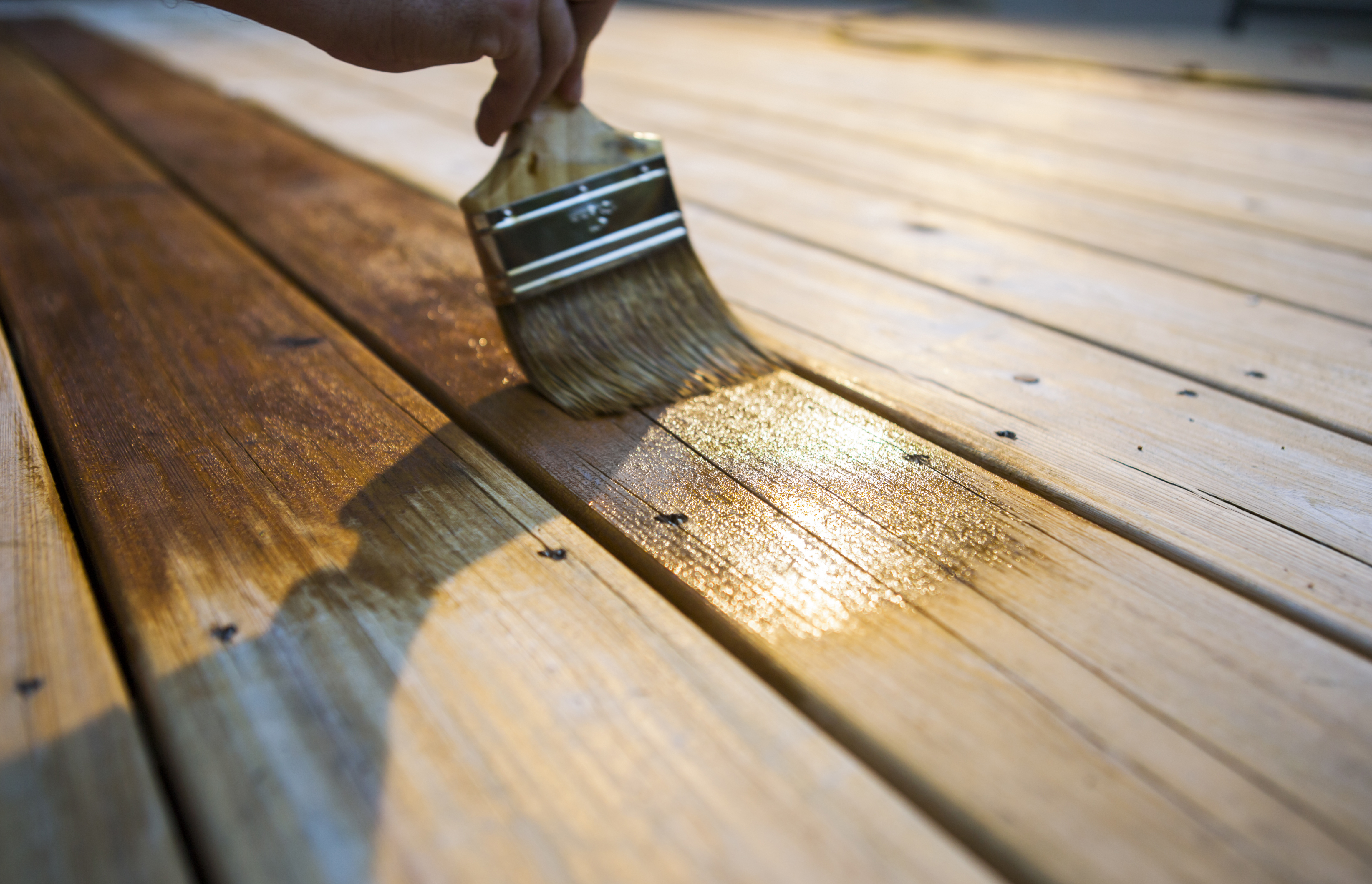
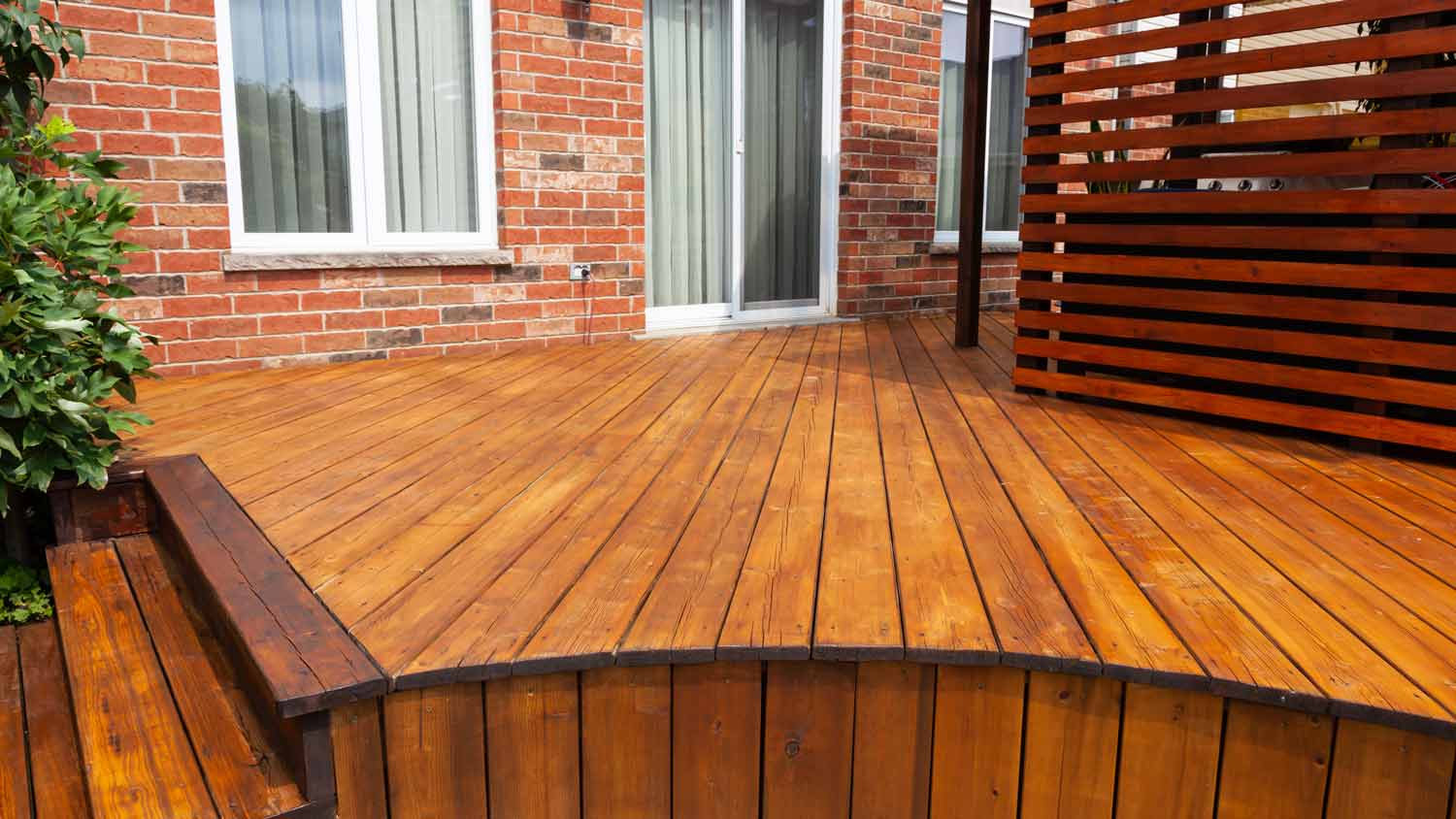
\nAt Dakota Petriwood we specialize in exterior wood care. Our restoration services include cleaning, and sealing outdoor structures such as fences, arbors, decks, and play sets.
\n
\nRestoring is the key to protecting the woods natural beauty and original form.
\n
\nBenefits of sealing your fence:
\n
\nWaterproofs Wood
\nExtends Wood Life
\nMold, Mildew, and Fungus Resistant
\nPrevent Cracking and Splitting, Rotting
\nPrevent Carpenter ants, and Termites
\n
\n(Not Sold in Stores)
\n
\nCall us at 605-951-0045 or visit www.dakotapetriwood.com
C & H Construction, LLC, has been in business for several years and we would love the opportunity to show you what experience and expertise can mean for the overall value of your roofing,painting, drywall, siding, and framing projects. Retired Military and willing to work with fixed income homeowners and single parent homeowner Call today 605-347-1207.
\n
\n
\n
You can use a few different tactics to prevent your deck gate from sagging. Aside from using strong, rot-resistant woods, introducing a diagonal element—such as a tension rod or solid piece of wood to act as a brace—across the gate will offer better support. You can also use rigid joists to prevent the gate from sagging.
Spindles on a deck may also be called balusters or pickets. While not as important to the structural support of the deck as the rail posts, they play a critical role in ensuring the deck is safe to use by closing in large gaps in the railing. For this reason, balusters must be no more than 4 inches away from one another.
PVC decking tends to be cooler than composite because the material is less dense and absorbs less heat. However, it depends on the deck’s color. A dark-colored PVC deck may run hotter than a light-colored composite deck. If you’re concerned about your deck getting too hot, it’s best to stick to a light color such as beige or gray.
Yes, but ensuring the deck has a solid foundation with adequate footings is critical before building, as the weight of a sunroom will put significant pressure on the structure below. Even if your deck is properly constructed, it may not be able to handle the extra weight. While some basic, lightweight, prefabricated sunrooms can sit on a deck with a strong existing foundation without additional supports, in many cases, the foundation and joists will need reinforcement. It is always best to have a structural engineer perform an inspection to evaluate the deck's quality and structural integrity. A professional can help you decide if reinforcement is sufficient or if it's better to tear down the deck and start over.
Yes, snow should be removed from a deck to protect it from damage caused by moisture and heavy loads. Shovel the snow off of your deck regularly once it is more than four inches deep. Avoid using salt, which can damage your deck.
The Cherry Creek, SD homeowners’ guide to deck cleaning services
From average costs to expert advice, get all the answers you need to get your job done.
Refinishing your deck is a great way to restore its appearance and fall in love with your outdoor space. Use this guide to learn how much it costs based on factors like size and type.
Learn how to clean a deck before staining to ensure long-lasting adhesion, weatherproofing, and optimum appearance of this coloring and protecting treatment.
Deck maintenance is vital to protecting a wooden deck. Cleaning, staining and sealing a deck after pressure washing will add years to its lifespan. Protect a deck by following these deck maintenance tips for cedar and other types of wood materials.
Knowing how to clean and seal a deck can help extend its life and keep it looking like new. This DIY guide sheds light on the best way to clean a wood deck.