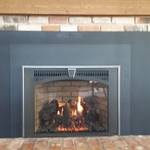
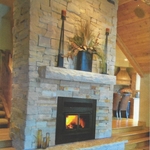
"After initial issues several years ago with a salesperson, the owner reached out to make sure that I was satisfied with our gas fireplace. He sent a tech out (great guy!) to give it a thorough cleaning and do some minor adjustments. It has never worked better! I am very pleased and really appreciate the excellent customer service and follow up. Outstanding!"
We take great pride in our experience, expertise, quality, and customer service that we provide to meet the consumer's needs. It is our mission to provide excellent workmanship and complete customer satisfaction, from the start to the completion of a project. In order to understand the needs and expectations of our customers, we take great care to work and communicate with every customer in a professional manner. Our reputation is based on service, safety, and quality, regardless of how large or small the job.
605 Chimney & Dryer Duct Cleanings is your industry expert in Tripp county. We pride ourselves on our extreme professionalism and attention to detail. Our customer satisfaction guarantee will assure you that we will not leave your property until you are completely satisfied with our wok. As a locally owned and operated business you can trust that we will treat your home as we would treat our own. Give us a call today & we look forward to working with you!
With over 65 years combines experience, we have been serving the Northern Hills area for three generation, specializing in all your concrete needs. Foundations down to decorative concrete.
We specialize in all phases of siding services, repairs, replacements, installs, and more! We guarantee your satisfaction, and we won’t leave until the job is done right. We pride ourselves on the quality work we provide, while delivering great customer service! Check out all the services we offer below and call -or- click to schedule a free estimate today!
Deciding when to replace your fireplace depends on its condition and your preferences. Replacements may be necessary if your fireplace shows extensive damage, safety issues, or inefficiency. Signs include deteriorating masonry, cracked firebox panels, or a faulty chimney. Aesthetic reasons, such as outdated design, can also drive replacement. Wanting something more sustainable and energy-efficient is another good reason to replace your old fireplace.
Regular fireplace servicing is vital for safety and efficiency. You must inspect and clean wood-burning fireplaces annually to remove creosote buildup and address potential issues. Gas fireplaces benefit from annual inspections to ensure proper functioning and safety. More frequent servicing may be necessary if you use your fireplace extensively or live in an area with harsh winters. Always consult a local professional to establish a suitable servicing schedule for your fireplace.
Both wood stoves and fireplaces are effective at heating, but wood stoves are more efficient, meaning more of the fuel is converted to heat rather than lost. Wood stoves, depending on the capacity, can also heat larger spaces, while fireplaces are better for heating smaller areas, like an individual room.
Compared to certain types of firewood like pine or spruce—which burn off sticky resin contained within the wood that creates lots of smoke—elm isn’t the worst option for burning in a fireplace.
Because elm wood is dense, it burns at a moderate pace and does a pretty good job of keeping your home warm. Hardwood like maple or oak may perform slightly better, but elm isn’t a bad choice overall.
You can, but you shouldn’t. While you can still start a fire in your fireplace, the smoke and other fumes won’t have a proper way to escape if the flue is cracked. By continuing to operate your fireplace, wood stove, or furnace, you are putting your home at risk of absorbing toxic byproducts of the fire source.
The Wall, SD homeowners’ guide to fireplace services
From average costs to expert advice, get all the answers you need to get your job done.
Bioethanol fireplaces are a chimney- and vent-free way to enjoy a real-flame fire in your home. Keep reading to find out how much ethanol fireplaces cost.
The average fireplace installation cost is $2,438, but prices vary depending on the type and size of the fireplace. Calculate your costs with our guide.
Did you know fireplaces are a profitable home feature? From cozy indoor retreats to trendy outdoor designs, these fireplace ideas are sure to inspire you.
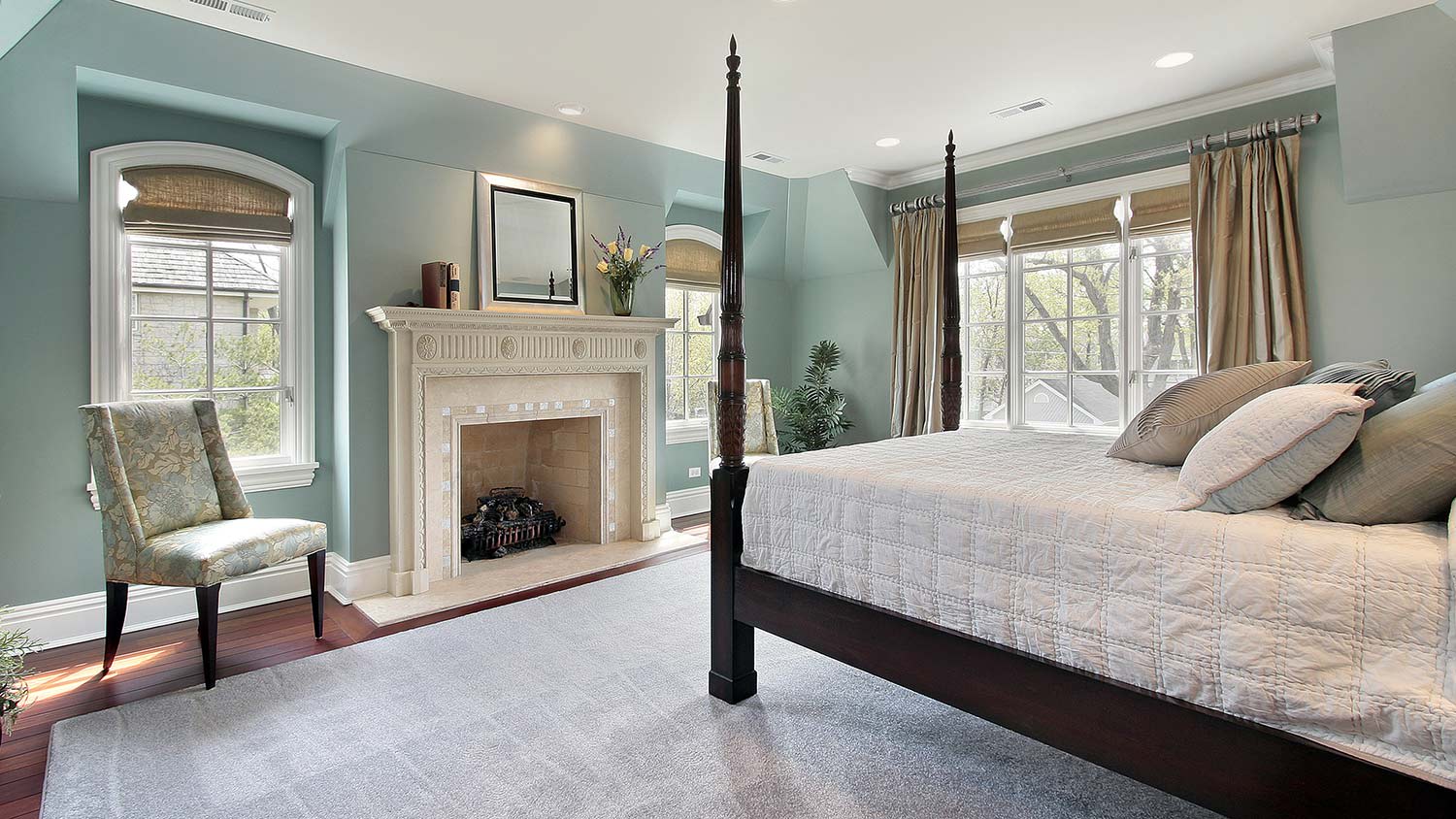
With a few easy decorating tips, you can make your bedroom fireplace the stylish focal point of your room. Up the cozy aesthetic of your bedroom with these 12 ideas.